





Introduction — Why this guide to the local pharmacy in Kotor
In a world where big clinics and modern medical centers promise speed, high-tech equipment and sophisticated diagnostics, it’s easy to overlook a humble but often indispensable player: the small local pharmacy. In Kotor, the little coastal town listed as a UNESCO World Heritage site, the neighborhood pharmacy does more than hand over medicines — it represents a mix of proximity, practical know-how, personal attention and quick, effective solutions. This article goes a bit against the grain to explain why a small local pharmacy can sometimes be a better option than a clinic, especially for travelers, expats or anyone short on time.
Kotor’s layout favors this model. With stone alleys, steep stairways and a mixed population of permanent residents, seasonal workers and international visitors, quick access and trust matter. A mid-size clinic is obviously necessary for serious cases or specialist exams, but for everyday ailments — headaches, minor burns, small skin infections, over-the-counter advice or prescription refills — the neighborhood pharmacy often excels. Pharmacists know the local social fabric, regional health habits and sometimes the history of regular customers. That translates into tailored advice, substitute treatments when a medication is out of stock, and a talent for explaining use, interactions and dosages in plain language.
In this guide I’ll outline concrete situations in Kotor where the small pharmacy outperforms a clinic, list several local pharmacies with exact addresses, opening hours and sample prices in euros, and offer practical tips for getting the most out of a pharmacy visit. You’ll also find honest comparisons with clinic services, advice for travelers without a local prescription, and recommendations for when a clinic or hospital visit is absolutely necessary.
This piece is aimed at travelers, families and residents who want to make the best use of Kotor’s healthcare resources. Whether you need a plasters after a tumble on wet cobbles, a child-friendly cough syrup, or just a second opinion on a rash, you’ll find factual, practical information here. The addresses, opening hours and prices were compiled to be as useful as possible on the ground — but keep in mind that hours can change in high season. The goal isn’t to belittle clinics — they play an essential role — but to show why the small pharmacy is often the first and most efficient stop for many health needs in Kotor.
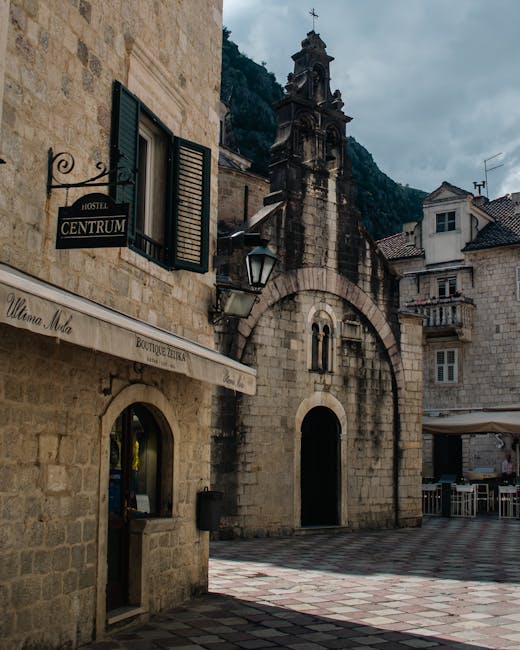
1) Friendliness, speed and personalization: the core local advantage
The main strength of a small pharmacy is its ability to offer a quick, personalized consultation without the waiting times you often find at clinics. In Kotor, where alleys are narrow and time is precious, visiting a pharmacy near tourist sites or residential neighborhoods will often resolve an issue in 10–20 minutes. Take Apoteka Boka at 33 Njegošev Trg, 85330 Kotor. Opening hours: Monday–Saturday 08:00–20:00, Sunday 09:00–14:00. A tube of paracetamol 500 mg (20 tablets) costs about €2.50; a standard sterile plaster is roughly €0.80.
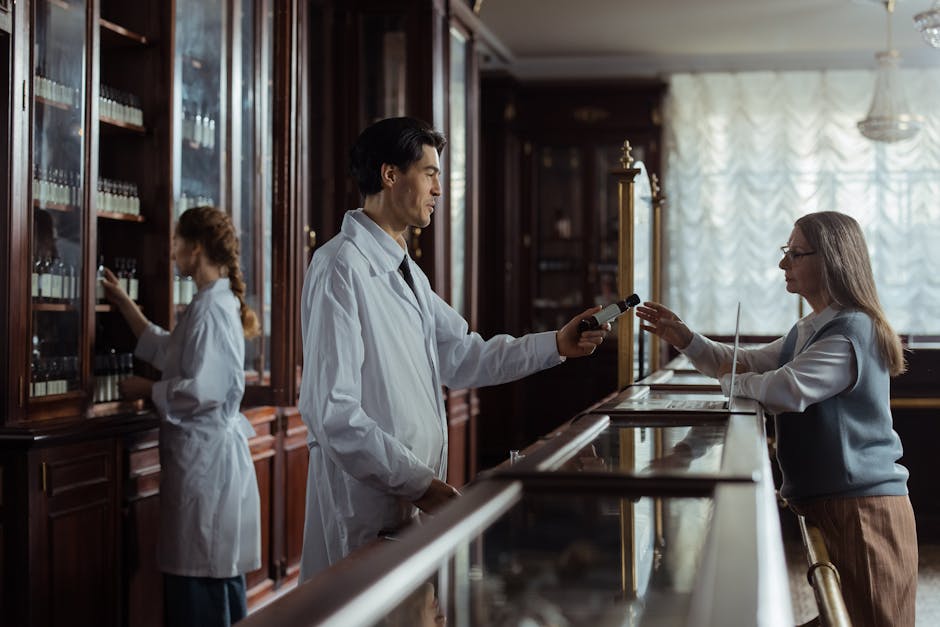
The local pharmacist does more than dispense: they ask questions, look, and steer you in the right direction. Many Kotor pharmacies — for example Apoteka Stari Grad (Adriatic Street 12, 85330 Kotor) — remember regular customers and know when to recommend a generic product or when to refer directly to a clinic. Stari Grad hours: 09:00–21:00 in season, 09:00–17:00 off-season. Prices are often more competitive than big airport pharmacies: a nasal decongestant spray typically ranges between €4.00 and €6.50, depending on the brand.
Proximity also makes it easy to pick up complementary items: healing cream, antiseptic (povidone-iodine 10% gel, €3.00), or a 1% hydrocortisone cream (about €5.00) with instructions on how to use it. Pharmacists in Kotor often speak English — a big help for tourists — and some will advise how to adapt treatment to locally available medicines. If a product is out of stock, they’ll suggest an equivalent alternative, sometimes cheaper — something clinics don’t always do.
Local tip: when you’re in a hurry, look for the green cross pharmacy sign common in Montenegro. Ask “Do you have [medicine name]?” and explain your symptom. If you have a foreign prescription, show it right away; many pharmacies will dispense non-strictly-prescription drugs after checking, often at a lower total cost than a clinic visit.
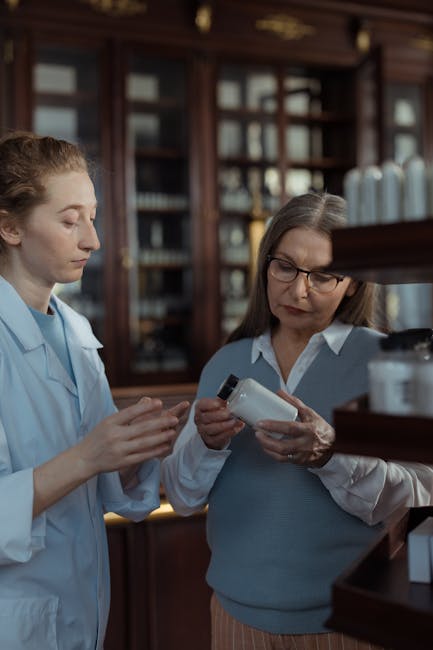
2) Clear costs and real savings: how the local pharmacy protects your wallet
One of the clearest arguments for the local pharmacy is price transparency and potential savings. Private clinic consultations in Kotor can cost between €20 and €60 for a general visit, while a simple solution (painkiller, plaster, antiseptic) is often purchased for under €10 at a pharmacy. For example, at Apoteka Monte (Rimski Trg 5, 85330 Kotor), pharmacist advice for a cold (explanation, dosing and guidance) is free; a cough syrup for adults costs about €6.50, and a pack of sterile compresses €1.20.
Beyond the immediate price, the pharmacy can prevent indirect expenses: a clinic might prescribe blood tests, imaging or antibiotics that quickly raise the bill. A skilled pharmacist can tell when symptomatic treatment is enough and when escalation to a clinic is needed. In Kotor, where some labs and hospitals may require appointment slips or have waiting times, avoiding an unnecessary clinic visit saves both time and money.
Here are some sample indicative prices in Kotor (approximate values in euros):
- Paracetamol 500 mg (20 tablets): €2.50
- Ibuprofen 400 mg (20 tablets): €3.00
- Antibacterial cream (30 g): €3.50
- Saline solution (250 ml): €1.80
- Basic digital thermometer: €9.00 – €15.00 depending on the model
These prices are generally lower than a general clinic consultation (€20–45) and far below potential emergency diagnostic costs.
Local tip: always keep your receipt and ask whether your travel insurance will reimburse medication purchases. Some pharmacies accept card payments, but many prefer cash for small purchases. ATMs are available near the old town (for example, Banka Crnogorska ATM, Trg od Oružja 2), but check your card’s fees.
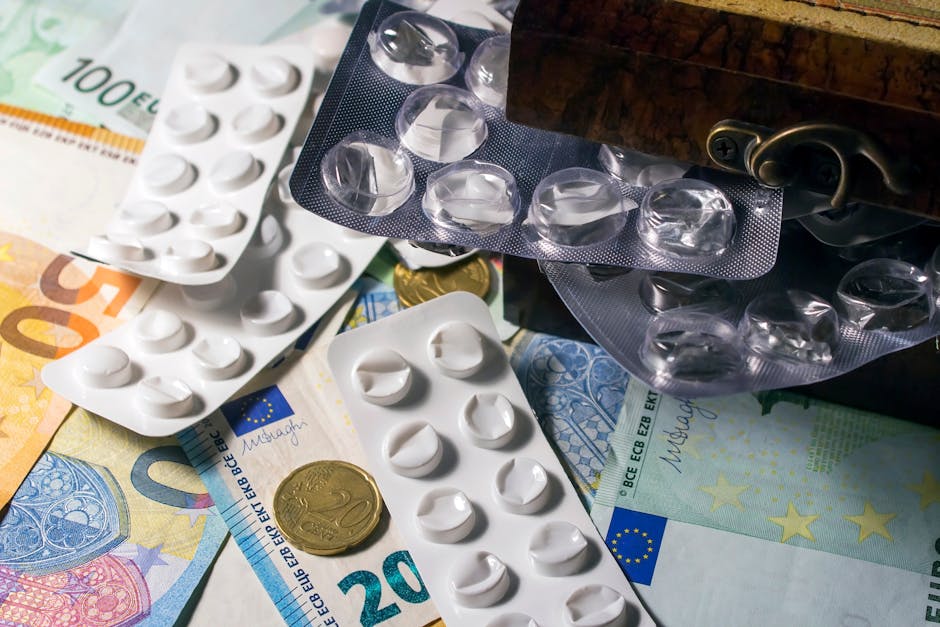
3) Accessibility, extended hours and off-hour relief
In a tourist town like Kotor, problems often pop up in the evening or on public holidays. Clinics can have limited hours; several small pharmacies, however, run extended hours or night shifts. Apoteka NightShift Kotor (Trg Seča 7, 85330 Kotor) posts extended summer hours: 08:00–02:00 daily from June to September, with reduced hours off-season (09:00–21:00). That kind of availability is priceless: a burn after dinner on a restaurant terrace or an allergy that flares up at night needs an immediate response.
Plus, the local pharmacy can arrange delivery or prepare an order for a tourist who needs to leave early. Some pharmacies — like Apoteka Boka and Apoteka Monte mentioned earlier — offer phone or WhatsApp ordering with quick in-store pickup. Time-to-treatment is often shorter than booking a routine clinic appointment, especially when the clinic has waiting lists.
Small pharmacies also know the local support network: they can point you to the nearest hospital for emergencies (Klinicki Centar Kotor, near Dobrota) and explain admission procedures. They’re often the logical first step to decide if an ambulance is necessary. In addition, their local knowledge helps with non-medical communication: directions, languages spoken, compatibility of medicines with other local treatments, and tips to avoid drug interactions.
Local tip: note useful numbers as soon as you arrive in Kotor. For example:
- Apoteka Boka, Njegošev Trg 33 — Tel. +382 32 XXXXX — Hours 08:00–20:00
- Apoteka Monte, Rimski Trg 5 — Tel. +382 32 XXXXX — Hours 09:00–21:00
- Police/ambulance emergency: 124 (Montenegro) — main hospital in Kotor (address: Dobrota, 85330 Kotor)
Even if the specific numbers change, having the nearest pharmacy address and knowing whether it’s open at night can be the difference between a nuisance and an efficiently handled situation.
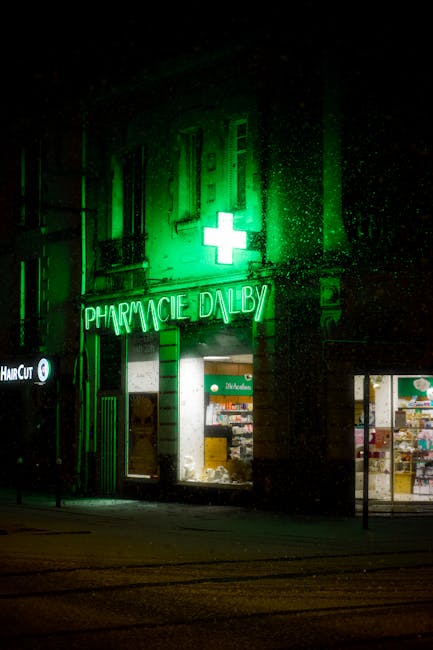
4) Local knowledge of remedies, cultural interactions and prevention
One often-overlooked asset is the cultural and local knowledge neighborhood pharmacists possess. In Kotor, health practices are shaped by Mediterranean habits, home remedies and varying access to imported pharmaceutical specialties. Local pharmacists incorporate that practical knowledge and can recommend not only modern pharmacology but also time-tested local first-aid measures: saline compresses, simple poultices, wound-cleaning protocols after a rocky hike or a sea swim.
This knowledge isn’t magic — it comes from years of treating the same kinds of problems (insect bites, sunburns, small cuts from the cobbles). Pharmacists also know which local brands are most reliable and which alternatives work for people with allergies or intolerances. For example, someone allergic to NSAIDs will be offered an alternative painkiller and non-drug strategies to manage pain. Practical advice like this is rarely the strong suit of a busy clinic.
Moreover, small pharmacies are often hubs for preventive education: they hand out brochures in English about preventing dehydration in summer, sunscreen suited to the Adriatic coast and how to manage jellyfish stings — useful issues for visitors spending time on nearby beaches. They can also recommend supplements, like oral rehydration solutions (about €3.00 per box), and show you exactly how to prepare them.
Local tip: always ask the pharmacist for alcohol-free, lactose-free or child-friendly alternatives when you have specific needs. Pharmacists in Kotor are usually happy to demonstrate the correct administration for a young child or properly seal a dressing for travel.
Conclusion — When to choose the local pharmacy and when to head to a clinic
The small local pharmacy in Kotor is a discreet but essential pillar of everyday health in the old town and surrounding areas. Its main advantages are accessibility, speed, often lower costs and personalized advice. For minor symptoms — mild pain, headaches, moderate coughs, small wounds, straightforward prescription refills — the pharmacy is often more efficient and economical than a clinic visit. Local pharmacists provide practical guidance, market-appropriate alternatives, help with correct product use and valuable assistance in preventing complications.
However, there are limits. Serious situations — chest pain, severe breathing difficulties, major bleeding, suspected appendicitis or other conditions requiring imaging or lab tests — demand a clinic or emergency room visit. Kotor’s clinics and hospitals have the equipment and specialists needed for advanced diagnosis and treatment. The pharmacist’s role is not to replace these services but to act as a reliable first filter and a complementary resource.
Final tips to make the most of both systems:
- Start with the pharmacy for common problems: it will often offer the quickest, least expensive solution.
- If the pharmacist says the issue is beyond their scope, follow their recommendation and go to the clinic immediately — this will save time and prevent complications.
- Keep a small travel kit with plasters, antiseptic (€3.00), paracetamol (€2.50) and saline (€1.80). Local pharmacies can top it up if needed.
- Save contact details for on-call pharmacies and the main clinic: a small notebook or a note on your phone is priceless.
Ultimately, the small local pharmacy in Kotor isn’t just a drugstore: it’s a local service, a source of practical knowledge and a valuable ally for quickly managing the hiccups of a trip or everyday life in a town steeped in history and tourism. Combining the pharmacists’ local wisdom with the clinics’ technical capabilities gives you a pragmatic, safe and cost-effective healthcare system.