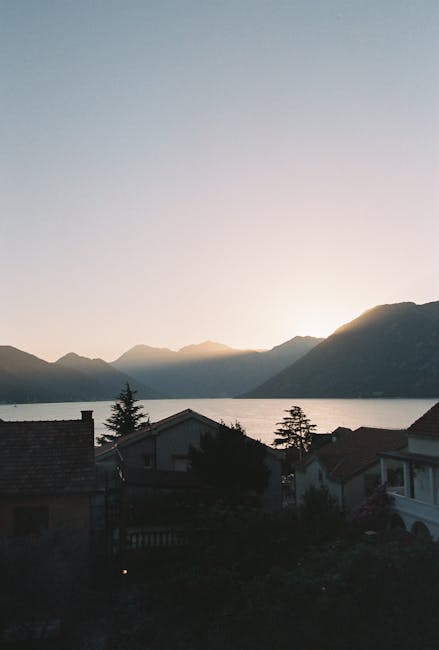
Introduction — Going against the grain in Kotor is not snobbery, it’s smart travel
Kotor, the pearl of the bay that curls like a Montenegrin fjord, has everything to inspire instant awe: medieval alleys, impressive fortifications, dizzying views from the citadel, and a dense cluster of cafés and restaurants inside a beautifully preserved shell. For many, staying right in the historic center — the old town (Stari Grad) — just seems obvious. It looks handy, picturesque, and guarantees you’re “in the middle of the action.” Yet if your goal is a travel experience that’s authentic, restful and sustainable, that obvious choice deserves a second thought.
This piece takes a deliberately contrarian view: it explains why hostels and guesthouses located inside Kotor’s old town are often overrated, sometimes counterproductive, and how, by choosing thoughtful alternatives, you can enjoy the Bay of Kotor in a far richer, calmer and more local way. We’ll cover real nuisances (noise, schedules, prices), physical limitations (tiny rooms, ventilation, lack of outdoor space), and broader impacts (crowding from cruise passengers, rising costs for residents). The aim isn’t to demonize the old town — it’s still stunning — but to help quality-minded travelers make informed choices.
You’ll also find concrete solutions with precise alternatives: nearby villages to sleep in, hotels and guesthouses that offer quiet, views and better value, with addresses, rough price ranges and opening hours. I’ll share practical tips too — best times to visit the citadel, getting between villages, and small habits to avoid the pitfalls of mass tourism.
Before we dive in: “avoid hostels in the historic center” does not mean avoid Stari Grad altogether. It means understanding that for most travelers, staying 20–30 minutes on foot — or a few minutes by taxi — from the old town can provide a superior experience: more space, better sleep, genuine contact with locals, and often a fairer price. Stick with me for a balanced, useful breakdown of the common assumptions and practical alternatives.
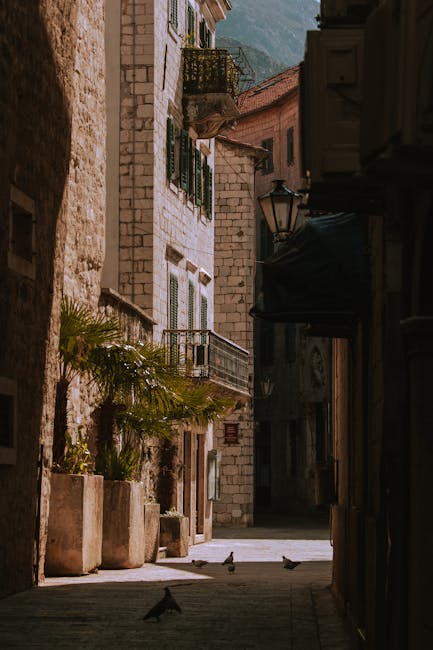
1) Why hostels in the old town are often overrated
No matter how much of a historical gem Kotor’s old town is, the hostels and B&Bs tucked into those ancient walls have several structural and practical limitations that guidebooks and Instagram photos tend to downplay.
First, space. Medieval buildings were adapted into accommodations with sometimes little thought for modern comfort: tiny rooms, low ceilings, steep staircases and no elevators. That might be fine for a night or two, but if you plan to stay longer or need to work (yes, many people travel while remote working), the lack of space and natural light quickly becomes oppressive. Thick stone walls also reduce airflow: in summer, without effective air conditioning, nights can be stifling.
Second, noise and foot traffic. Between 8 a.m. and 6 p.m., the old town is often overrun by cruise ship passengers who disembark nearby: waves of visitors, queues at sights, crowds in the alleys. In the evenings, the main street frequently turns into a run of packed terraces, music and late-night noise — not compatible with a quest for peace. Hostels sit right in the middle of that flow — convenient for an impromptu dinner, but detrimental to quality of life.
Third, price. Paradoxically, many Stari Grad hostels cash in on demand and charge high rates for basic services: light breakfasts, shared bathrooms, and extra fees for Wi‑Fi or air conditioning. Once you add up all these bits, the price-to-quality ratio drops.
Fourth, impact on the local community. The concentration of tourist accommodation in the historic core drives up rents, pushes local shops to become tourist-oriented, and erodes the social fabric. Staying on the outskirts — Dobrota, Prčanj, Ljuta — helps distribute the economic benefits more evenly.
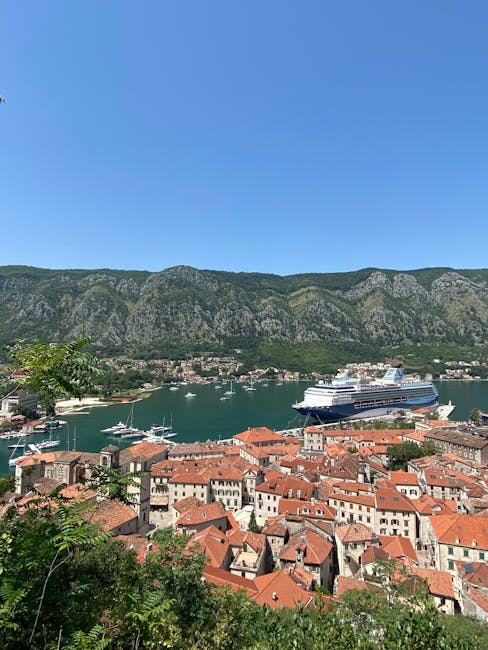
2) Practical downsides to plan for: noise, logistics and safety
If the previous points were mostly structural and economic, here we look at problems you’ll actually experience: disrupted sleep, access difficulties and everyday practicalities.
Noise is the number one complaint. Kotor draws both long-stay visitors and day-trippers from cruise ships. Main streets become walking and shopping arteries, packed from around 10 a.m. Plus, tourist nightlife — terrace music and loud groups — often continues until 11 p.m. to 1 a.m. in high season. Medieval walls don’t offer good sound insulation: if you value quiet sleep or need to concentrate, expect disturbances.
Next, logistics. Stari Grad’s streets are almost entirely pedestrian and cobbled: charming, yes, but inconvenient for luggage, deliveries and car access. Many hostels require you to leave your vehicle in an external (paid) car park and walk in. That’s exhausting if you arrive late, travel with kids, or have a lot of gear.
On safety, while Kotor is generally safe, pickpocketing increases in heavily touristed areas. Narrow alleys, crowds and distracted people taking photos create ideal conditions for petty theft. And modern conveniences (laundry facilities, common rooms, gardens) are often missing in small old-town hostels — a downside for longer stays.
In short: for a postcard view or the thrill of being “on the map,” you may sacrifice comfort, quiet and sometimes safety. And you probably won’t feel like a “local.” Which naturally brings us to alternatives.

3) Real alternatives that improve your stay — where to sleep to make the most of the bay
Here are tried-and-true alternatives: nearby villages and properties that offer space, calm and a real connection to the bay. Addresses and practical info are indicative; always double-check availability and conditions before booking.
Alternative 1 — Dobrota (close to Kotor, with peace and views):
– Name: Boutique Hotel Cattaro (example of quality lodging in Dobrota)
– Address: Obala 11. Dobrota, 85230 Kotor, Montenegro
– Indicative rates: double rooms from €70–110 / night depending on season
– Hours: reception typically 07:00–23:00 (check arrival times)
Why Dobrota? The seafront of the Boka Kotorska is lined with villas and cafés, the vibe is more residential, and you’re 5–15 minutes by car from the old town. Small hotels often offer private parking, larger rooms and terraces overlooking the bay.
Alternative 2 — Prčanj (for authenticity and quiet):
– Name: Guesthouse Perla (example)
– Address: Prčanj, 85232, Montenegro (a village along the bay)
– Rates: double rooms €50–90 / night
– Hours: breakfasts typically served 08:00–10:00
Prčanj is a historic village with Venetian architecture, less tourist flow and easy taxi or boat access to Kotor. Ideal for a romantic or restful stay.
Alternative 3 — Perast (for a more refined feel and island access):
– Name: Hotel Conte (example of an establishment in Perast)
– Address: Perast Waterfront, 85333 Perast, Montenegro
– Rates: €90–160 / night depending on category and season
– Hours: reception usually 07:00–22:00; local restaurants 12:00–22:00
Perast offers a tidier setting, waterfront promenades and a quieter service. From Perast you can take a boat to Our Lady of the Rocks island or go on bay excursions, away from Kotor’s crowds.
Alternative 4 — Tivat / Porto Montenegro (if you want upscale comfort and transport links):
– Name: Porto Montenegro Apartments (or boutique hotels around the marina)
– Address: Marina Village, Porto Montenegro, 85320 Tivat, Montenegro
– Rates: studios from about €80; apartments and luxury hotels are much higher (€150–350)
– Hours: marina services open 08:00–22:00; shops vary by season
Tivat is only 15–20 minutes by car from Kotor and offers modern infrastructure, good restaurants and better airport connections. Useful if you arrive late or have an early flight.
Pro tip: most of these alternatives offer free parking, terraces and welcome calm. The cost of a taxi or a short car rental for 10–20 minutes is often offset by higher accommodation quality. Book at least 3–4 months ahead in high season and ask explicitly for: “parking,” “bay view,” “air conditioning,” “breakfast included.”
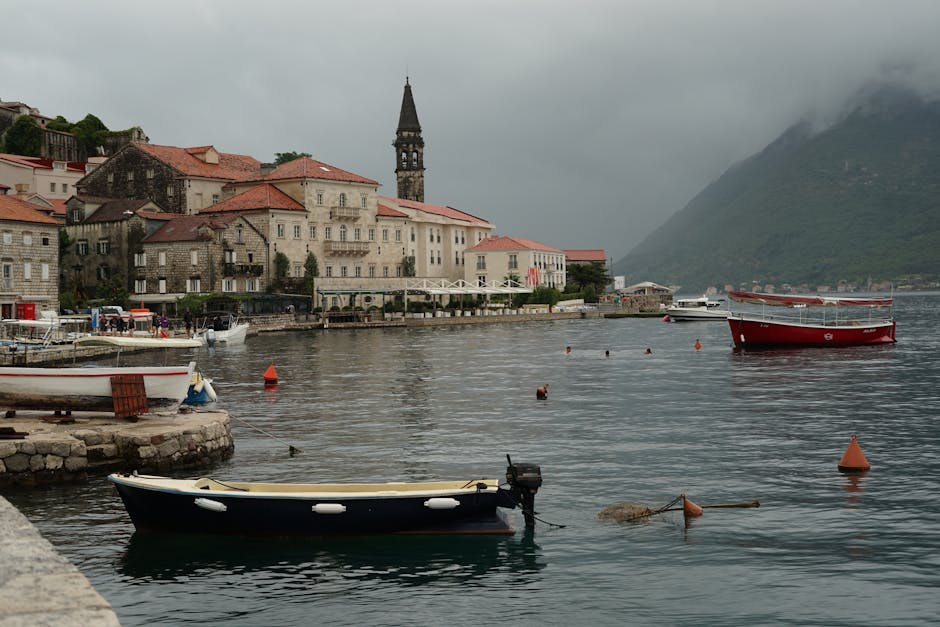
4) Activity alternatives: dodge the crowds while still enjoying Kotor
Avoiding hostels in the center doesn’t mean missing Kotor. It’s about spreading out your presence in time and space so you can enjoy the place like a local.
Timing: visit the old town early in the morning (before 9 a.m.) or late afternoon (after 5 p.m.). Photos will benefit too: soft light, nearly-empty alleys and milder temperatures. Climb to the San Giovanni fortress early to beat the crowds and the heat — the ascent rewards you with spectacular panoramas over the bay and tiled roofs.
Alternative transport: use water taxis between Perast, Dobrota and Kotor. They help you avoid traffic and give you a maritime perspective on the bay. Crossings cost between €5 and €15 depending on distance and season.
Dining: skip the restaurants on Kotor’s main street where prices are inflated. Look for konobas (local taverns) in Dobrota or family-run eateries in Perast, where Montenegrin cuisine — seafood, bay-style risotto and lamb dishes — is more authentic and often cheaper. Try the seafront restaurants in Prčanj or the small trattorias around Tivat.
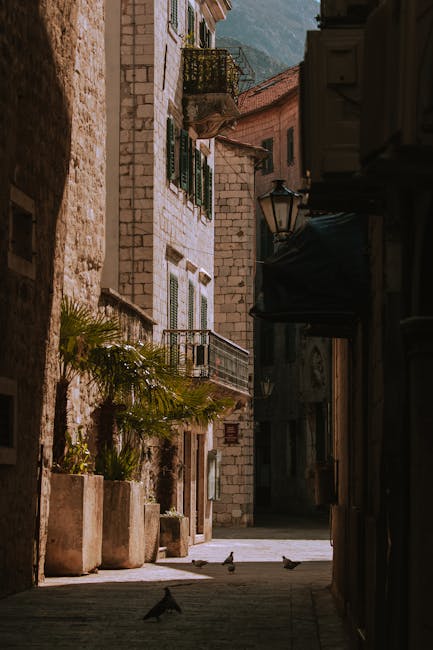
Conclusion — Think of your stay in the bay as a spatial and temporal experience
Kotor’s old town is a must-see, but automatically booking a central hostel is a tourist reflex worth rethinking. The charm of cobbled alleys, palaces and bell towers is undeniable, but those benefits come with real trade-offs: limited space, noise, strained tourist ecology and sometimes disproportionate prices. For a high-quality stay — restful, authentic and economically sensible over time — it’s often wiser to move slightly outside the center, spread your visits across the day, and favor nearby villages like Dobrota, Prčanj, Perast or Tivat.
Changing your booking habits isn’t an elitist act; it’s a pragmatic way to improve your experience and support more balanced tourism. The alternatives listed here offer better value, restful nights and a truer connection with local life. They also help preserve the historic core by reducing overcrowding. Finally, a few simple habits — visiting early, taking the boat, choosing a konoba off the tourist tracks — will transform how you experience the place.
Before you go, always check current opening hours and prices: the Bay of Kotor follows seasonal rhythms and availability changes quickly. If you’d like, I can now look up specific properties for your dates, compare rates and find options with parking and sea views. The goal: help you live Kotor fully, without suffering the excesses of mass tourism.