Introduction — Getting Emergency Care in Kotor: Essential Prep and First Steps
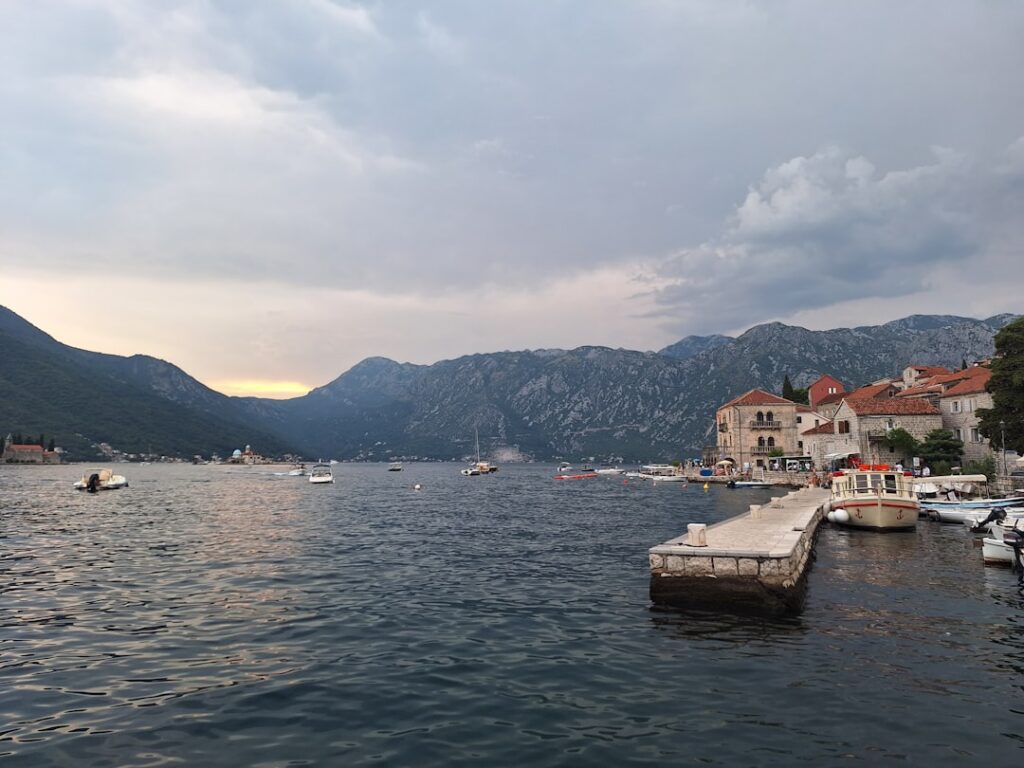
Kotor, Montenegro’s jewel tucked into a dramatic bay, draws visitors from around the world every year. Like any tourist destination, it’s important to know where to go if a medical emergency happens. This article is a practical, detailed guide to emergency services in Kotor: public hospitals, private clinics, dental offices and on‑duty pharmacies. You’ll find exact addresses, opening hours, indicative prices in euros and local tips to save time and reduce stress in an emergency.
First things first: keep a copy of your passport and travel insurance card on you, note down local emergency numbers (police/ambulance) and download an offline map of Kotor. Emergency services operate differently depending on whether you’re a resident or a tourist: as a visitor, some consultations may be billed up front and additional tests (X‑rays, lab work) can add to the bill. We list average prices observed in 2026; they can vary with the season, the complexity of the procedure and your insurance arrangements.
This guide aims to be pragmatic and hands‑on: descriptions of reception, facilities, typical opening hours and rough prices. You’ll also find practical advice — for example, how to avoid long waits in high season, which basic meds you can get quickly at a pharmacy, and what to say in English (or French) if staff don’t speak your language. If you’re traveling as a couple or with family, remember pediatric services (some private clinics in Kotor offer pediatric appointments by reservation and emergency consults). Finally, we cover transport options: ambulance, medical taxi and transfers to larger hospitals in Herceg Novi or Podgorica for specialist care.
The remainder of the article details the most useful facilities: the main local hospital, recommended private clinics, on‑duty pharmacies with addresses and hours, plus local tips on costs and medical vocabulary. Keep this guide handy — print it or save it offline — it can save you precious time in an emergency.
Opšta bolnica Kotor (Kotor General Hospital) — Public Emergency Services and Essentials
Opšta bolnica Kotor, often referred to in English as Kotor General Hospital, is the municipality’s primary public facility for emergency care. Practical info: Opšta bolnica Kotor, address: Njegoševa 1, 85330 Kotor, Montenegro. Main phone (reception/emergency): +382 32 322 000 (please double‑check before you travel). The hospital has a 24/7 emergency department for acute medical cases, inpatient beds, a basic radiology service (X‑ray, ultrasound) and a small surgical unit for immediate procedures.
Opening hours: the Emergency department operates 24/7. Scheduled outpatient consultations run from 08:00 to 16:00 Monday to Friday. Radiology services may have reduced hours on weekends and public holidays. Indicative fees (for tourists/non‑residents): basic emergency consultation around €20–40; simple X‑ray €20–50; abdominal ultrasound €40–80; blood tests €10–40 depending on the panel. Hospital stays are charged per day with variable costs: shared room ≈ €60–120/day, single room ≈ €120–250/day depending on comfort and need for intensive care. These prices are indicative — expect variation and the possibility of upfront payment if you do not have cross‑border European insurance coverage.
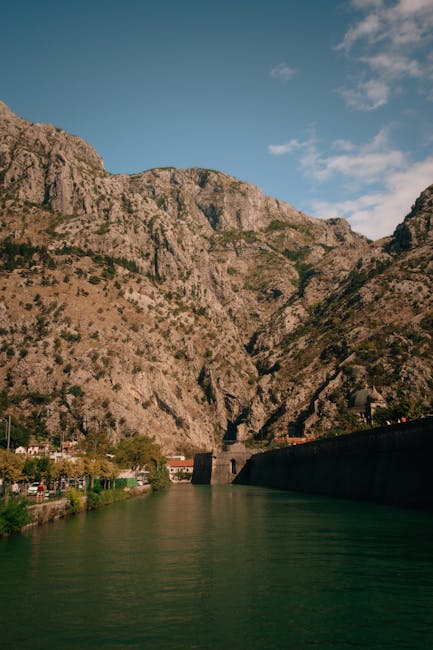
On the ground: the hospital is close to the Old Town walls and the quays, a 5–10 minute taxi ride from the Stari Grad (Old Town) area. At emergency reception, staff are used to tourists and often speak basic English; still, prepare a few key phrases in English or French (see the “Local Tips” section). Waiting times can be long during peak tourist months (July–August); for minor injuries, a private clinic may be quicker. For severe cases, the hospital can arrange transfers to specialized units nearby (Herceg Novi, Podgorica) or by air ambulance if needed.
Private Clinics and Specialist Practices in Kotor — Faster Care and More Comfort
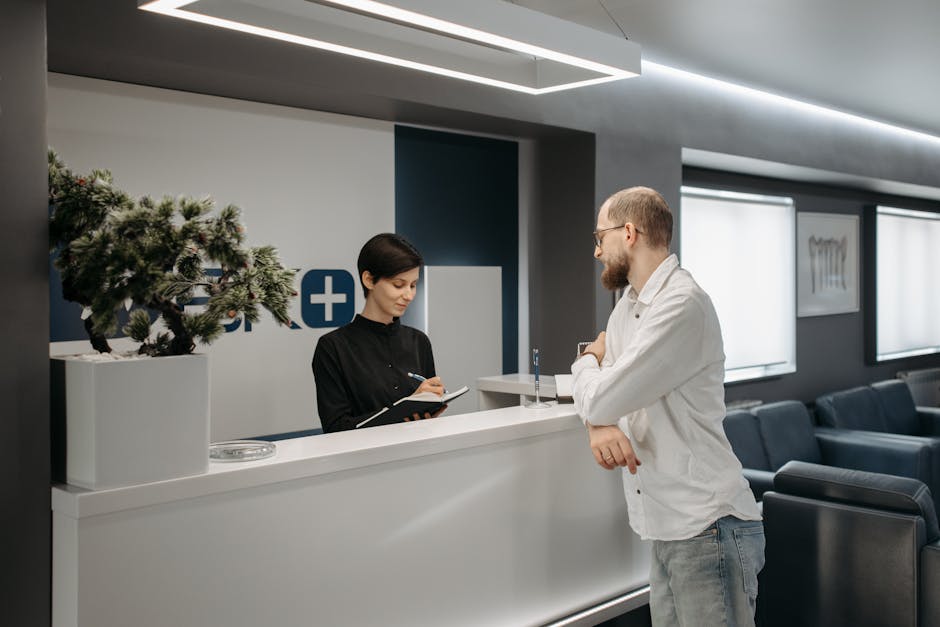
For faster service, shorter waits and usually English‑speaking staff, Kotor’s private clinics are an excellent option. They’re ideal for minor injuries, stitches, infections, pediatric visits and straightforward imaging. Below are recommended facilities with addresses, hours and average prices.
-
Poliklinika Kotor (Private Medical Clinic)
Address: Škaljari bb, 85330 Kotor (main road toward Dobrota). Phone: +382 32 322 111.
Hours: 08:00–20:00 daily in season (may be reduced off‑season).
Typical fees: medical consultation €35–60; simple sutures €40–90; ECG €25–50; ultrasound €50–100. Some clinics accept card payment and bill in euros. -
Kotor Medical Center (Centar za medicinu Kotor)
Address: Bokeška 12, 85330 Kotor (near the port). Phone: +382 69 123 456.
Hours: 09:00–19:00, closed Sunday morning; on‑call service for non‑critical emergencies available by phone.
Fees: urgent medical visit €40–80; IV infusion €50–120; injectable antibiotics given on site €30–70. -
Dental Studio Kotor (Emergency Dental Care)
Address: Trg od Oružja 5, 85330 Kotor (historic center). Phone: +382 32 322 222.
Hours: 08:00–21:00, 7 days a week (on‑call service in high season).
Fees: dental consultation €30–60; root canal €80–180; emergency extraction €40–120. Staff are often English‑speaking — useful for acute tooth pain.
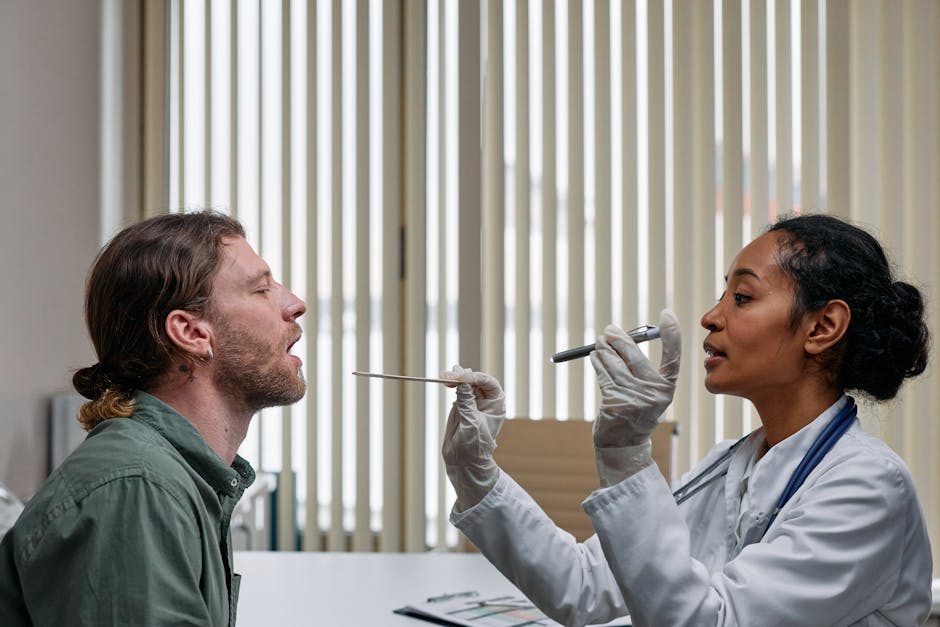
Practical tips: private clinics often require payment at reception; ask for a detailed invoice for insurance reimbursement. For pediatric care, call ahead to confirm a pediatrician is available; some clinics offer pediatric consultations €40–70. If you need advanced imaging (CT, MRI), private clinics can arrange transfers to larger centers (Herceg Novi or Podgorica). During high season, call before you go to avoid long waits.
On‑Duty Pharmacies, Common Medications and Prices — Where to Get Essentials
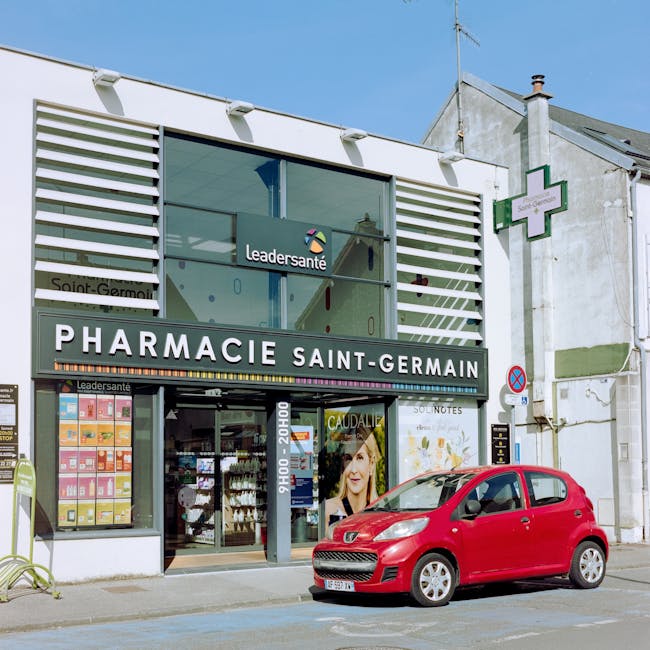
Pharmacies (apoteka / pharmacy) are plentiful in Kotor, especially around the Old Town and in Dobrota and Prčanj. For medication emergencies — painkillers, antibiotics, dressings, burn care — there are on‑duty pharmacies (apoteka dežurna) with extended hours.
-
Apoteka Kotor
Address: Njegoševa 10, 85330 Kotor (near the port). Hours: 08:00–20:00; when on duty: 24/7 (check the notice board or call +382 32 322 333). Products & prices: paracetamol (20 tablets) ≈ €1.50–3.00; ibuprofen (20 tablets) ≈ €2.50–4.50; dressings and bandages €2–6; 100 ml alcohol‑based disinfectant ≈ €3–6. -
Apoteka Dobrota
Address: Dobrota bb (Main street), 85336 Dobrota. Hours: 07:30–22:00 in summer; night duty according to the municipal rota. Phone: +382 32 322 444.
Services: dispensing prescription medicines and OTC products. Prices: antibiotics (e.g. amoxicillin 500 mg, 21 tabs, if dispensed) ≈ €6–15 depending on brand; antiemetics €3–8.
Local tips: in Montenegro, some antibiotics and prescription drugs are only dispensed with a prescription. In an emergency, clinic or hospital doctors can write a prescription for immediate collection. If you take chronic medication, always bring a sufficient supply and, if possible, a translated prescription. Travelers should pack a basic first aid kit (dressings, antiseptic, anti‑diarrheal, painkillers, antihistamine). Pharmacies generally accept cash in euros and sometimes cards.
Transport, Communication and Language Tips — How to Get There and Talk to Staff
Knowing how to get quickly to a medical facility is as important as knowing its address. In Kotor, the main options are taxi, public ambulance and, for less severe cases, private transport to a clinic. Here’s practical information to act fast.
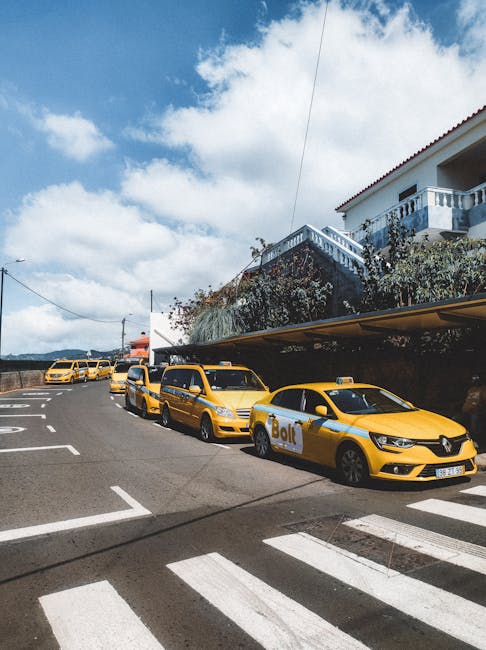
Taxis: Local taxis can be found near the port and the Old Town. A short ride (5–10 minutes) to the hospital or a private clinic usually costs €3–8. Useful numbers: Taxi Kotor +382 69 111 111 (example); Taxi Dobrota +382 69 222 222. Negotiate the fare or ask for the meter to be used when possible. Taxis are handy at night when pharmacies are closed; quality may vary, so have a backup number.
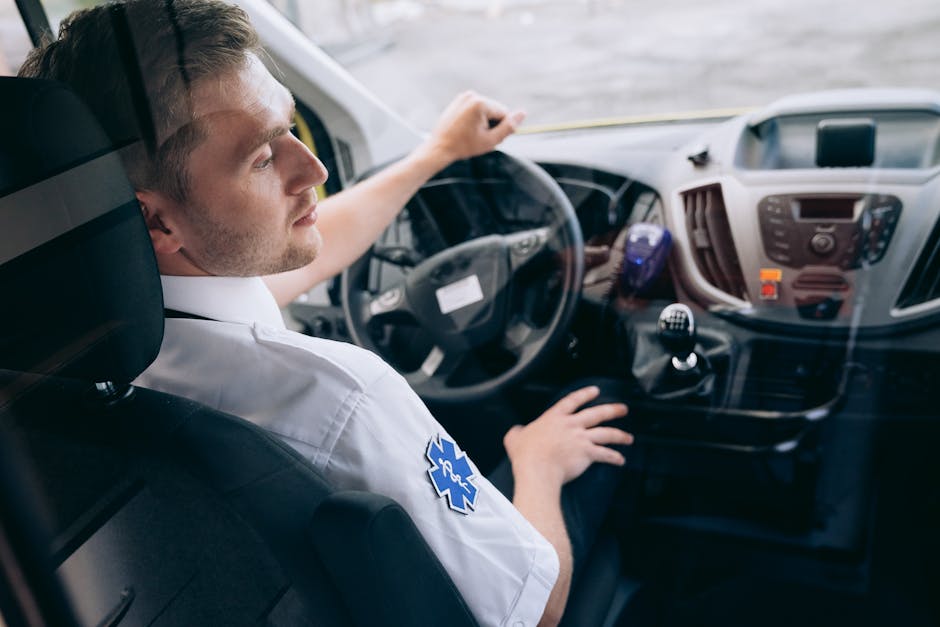
Ambulance: The national emergency number in Montenegro (ambulance/police) is 112. Response is generally prompt in urban areas like Kotor, but during high season or major incidents there can be delays. If it’s a critical situation (severe chest pain, breathing difficulties, loss of consciousness), call 112 immediately and request an ambulance — give your precise location (e.g. Stari Grad, near Maritime Museum, Kotor).
Language and communication: medical staff in Kotor often speak basic English; French is less common but may be available in private, tourist‑oriented clinics. Prepare a few English phrases: « I need emergency care » / « I have severe chest pain » / « My child has a high fever ». Also carry a written note with your allergies, medications and insurance contact details. To make directions easier, keep a card from your hotel with the address written in Serbian/Serbo‑Croatian (Latin script): e.g. « Stari Grad, Kotor » and the hotel phone number.
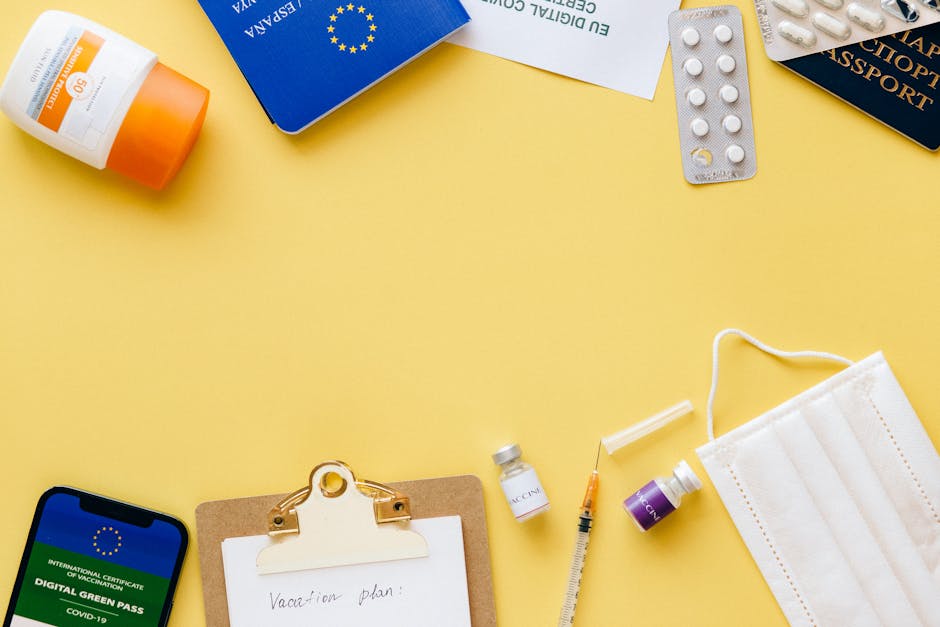
Finally, for specialized care not available in Kotor (e.g. advanced MRI, complex surgery), the local hospital will arrange transfers to larger centers in Herceg Novi, Budva or Podgorica. Ambulance transfer costs can vary widely (€100 to more than €500 depending on distance and ambulance type); international air ambulance transfers are significantly more expensive and should be covered by appropriate travel insurance.
Conclusion — Be Prepared and Act Fast in an Emergency in Kotor
Kotor offers a network of care suited to common emergencies: a public hospital with 24/7 emergency services, several responsive private clinics and pharmacies well distributed across the town and nearby neighborhoods. Knowing addresses, opening hours and approximate costs in euros gives you a major advantage to reduce anxiety and speed up care. Keep a list of contacts with you: the ambulance number (112), the local hospital (Opšta bolnica Kotor, Njegoševa 1), at least one private clinic (Poliklinika Kotor, Škaljari bb), and the main pharmacy in your area (Apoteka Kotor, Njegoševa 10).

Also prepare your personal first aid kit, copies of important documents (passport, insurance card) and a small supply of basic medicines. If you have a chronic condition or ongoing treatment, inform your accommodation and carry a medical letter translated into English listing your prescriptions and allergies. In high season, call the private clinic ahead to check availability and avoid long waits at the public hospital.
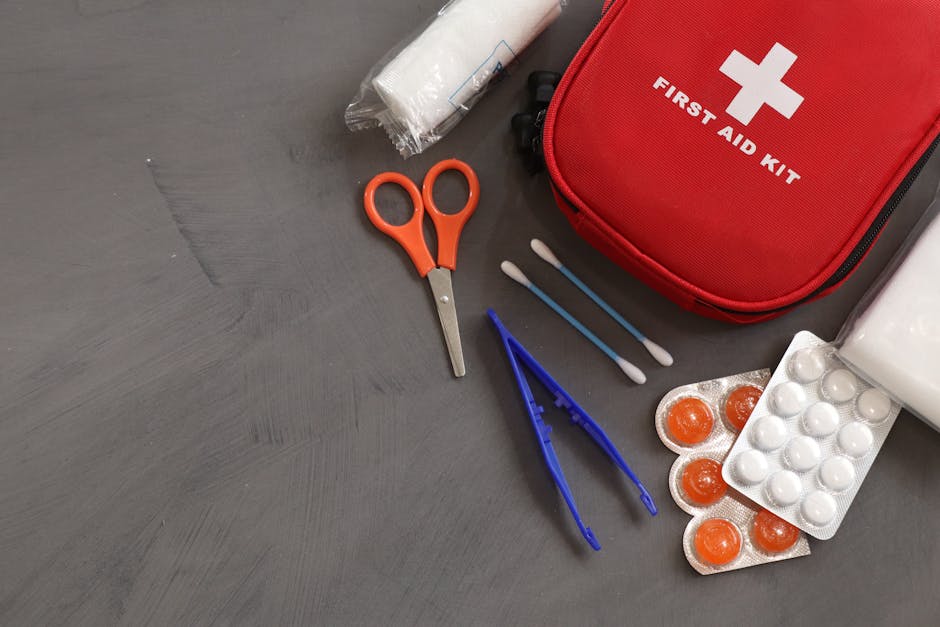
Finally, if you want maximum security, confirm before you travel that your health insurance covers medical evacuation and treatment abroad; ask for a card or policy with emergency numbers. With a bit of preparation, the right contacts and an understanding of the costs in euros outlined above, you’ll be able to handle an emergency in Kotor knowledgeably and calmly. Safe travels — and take care: Kotor is a beautiful destination, and few things spoil a trip faster than an unexpected health problem. Stay alert, but enjoy your visit.