





Introduction: Kotor Beyond the Postcards
Kotor, the compact fortified town tucked into its namesake bay, is often reduced to postcard-perfect imagery: steep walls, cobbled lanes and sun-drenched ochre façades. As appealing as that view is, it doesn’t capture the human complexity that gives the town its pulse. The real keepers of Kotor are less photographed: fishermen who know every sandbank, craftspeople who restore century-old doors, market women who haggle over local olive oil as if their lives depend on it, and young entrepreneurs who are reshaping the town’s face. This article paints a lively, in-depth portrait of those Kotor locals — the people who keep the place authentic, resistant to clichés and full of unexpected experiences.
Through encounters, specific addresses, opening hours, prices and practical advice, this guide does more than describe: it tells you how to meet locals, where to find them, what to ask and how to respect their customs. You’ll discover exact spots — the quay where boats leave for the islets, a luthier’s shop where work is accompanied by the clink of the port, a family canteen whose menu changes with the morning catch. Each portrait includes practical details: full addresses, prices in euros, opening hours, and small tips to approach people without seeming intrusive.
This general guide is aimed both at the short-term traveler who wants to skip the tour-operator crowds and the temporary resident hoping to understand Kotor’s social dynamics. You’ll find immersive scenes — the smell of grilled fish at dawn, the hammering of a shipwright’s tools, lively conversation in the main square over a hot coffee — plus concrete information to plan your encounters: where to book a boat trip, how much a coffee costs at the market corner, and the best times to show up to photograph an artisan at work.
Finally, this multi-voiced portrait aims to dismantle some clichés: no, Kotor is not just an open-air museum; yes, life here is dynamic, sometimes inventive and sometimes tough. Locals juggle tradition and modernity, tourism and the local economy, and it’s they who gradually redefine the town’s identity. Get ready to meet faces — and addresses — that tell a different Kotor story, less polished but infinitely truer.
The Fishermen of Muo and Perast: Coastal Memory and Bay Flavors
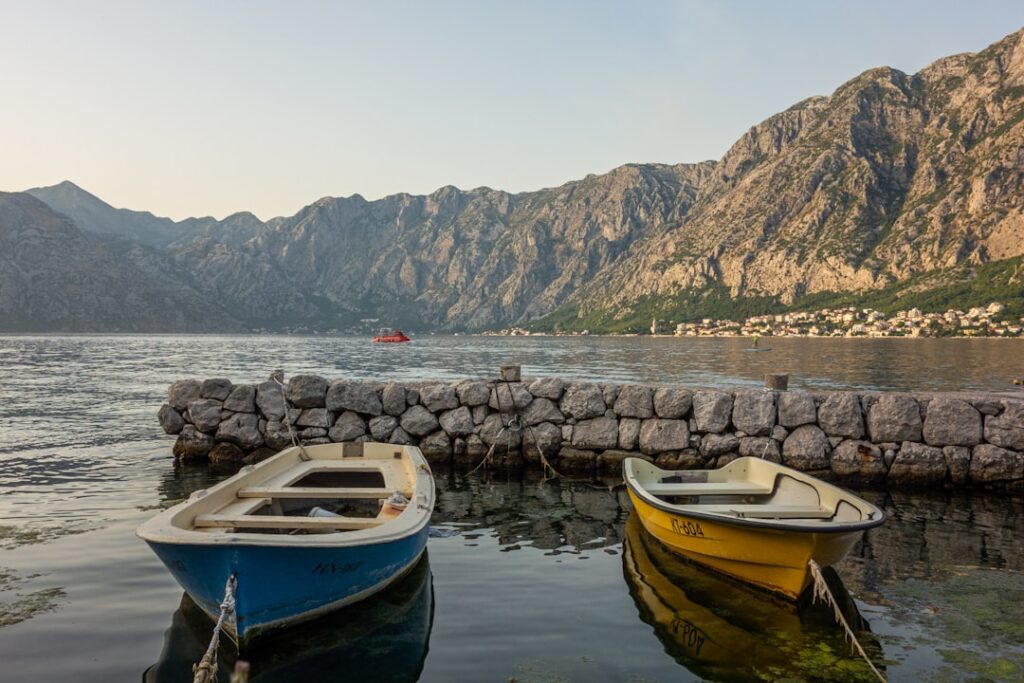
In the heart of Kotor Bay, the fishermen of Muo and Perast work much like their fathers and grandfathers did. These seaside villages share Kotor’s maritime history, but their daily rhythm is distinct: early departures, hauling up crab pots, trading at the market and impromptu beach barbecues. To see fishermen at work, two easily reachable spots from Kotor are must-visits.
Perast (Perast, 85333): to watch coastal fishing and taste fresh catches, head to the main quay at 32 Obala Kralja Nikole, Perast, 85333. Fishermen sometimes sell fresh fish there from around 07:00. For a simple, authentic lunch, try Konoba Gratković (Obala Kralja Nikole 45, Perast, 85333) which offers a daily plate from about €12.00. Opening hours: 10:00–22:00 in summer (closed some Sundays off-season). Tip: arrive before 11:00 to pick fish still wet from the sea.
Muo (Muo, 85330 Kotor): a small hamlet a few minutes by car from central Kotor. The meeting point is the little port at Riva Mua 1, Muo, 85330 Kotor where skiffs pull their nets onto the shore. Here, fishermen are happy to share net-mending techniques and sell grilled portions on the spot for about €8–10. Tourist fishing trips usually leave between 06:30 and 09:00; expect around €30–50 for a half-day outing with a local fisherman (price for up to 4 people).
Meeting these fishermen is also a lesson in craft: how to identify tuna, how to protect a shellfish bed or how to read weather by eye. Local advice: speak softly, offer a coffee (€1.50–2.50) and always ask before taking photos. Many will happily show their tool chests — nets, floats, anchors — and some sell small homemade preserves (olive oil, €6–8 per jar).
Wood and Stone Craftspeople: Workshops Hidden in the Old Town
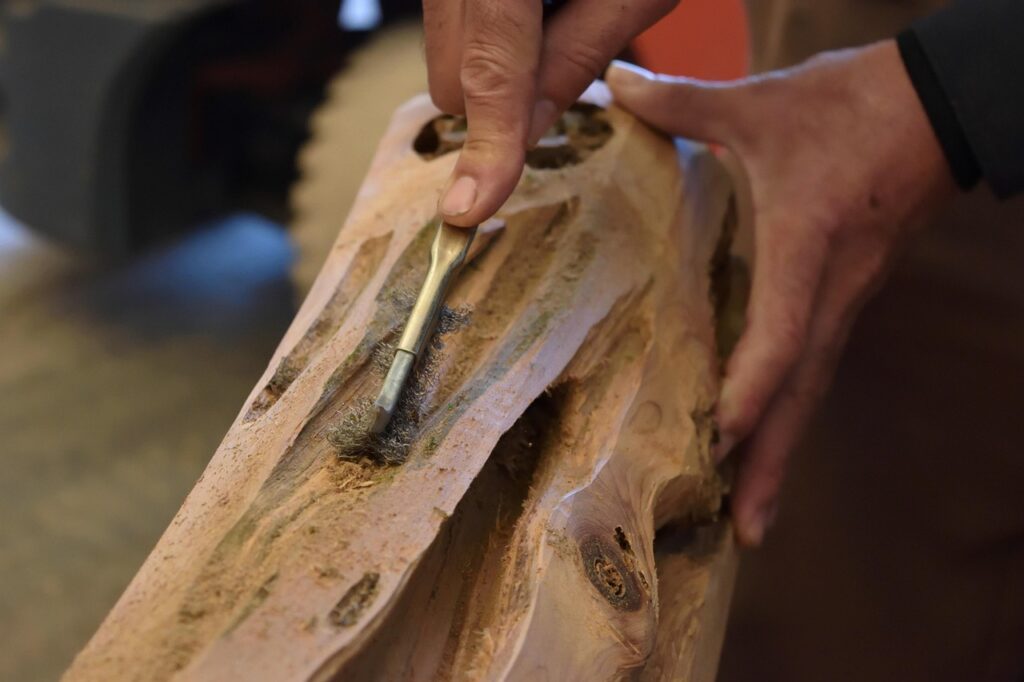
Kotor is a city of workshops. Behind discreet doors in the old town, artisans shape wood, stone and metal: furniture restorers, stonemasons, luthiers and blacksmiths who keep a little-known craft tradition alive. These workshops are usually tucked down side streets off the main tourist routes and welcome curious visitors who know how to knock.
A typical example is the joinery workshop of Milorad Bjelic (Stari Grad, Njegoševa 12, 85330 Kotor). Generally open 09:00–17:00 on weekdays, Milorad restores old furniture and builds custom tables, doors and shutters. Small pieces (trays, frames) start from €25, while a full door restoration can range €200–400 depending on the work required. Tip: if you want to watch a restoration, call ahead or drop by in the morning (09:00–11:30) when the shop is busiest.
Another key address for stone work is the stonemason’s workshop at Ulica od Pomena 6, Stari Grad, 85330 Kotor where the master — often just called « Nikola » — uses local limestone to restore frames and fountains. Small sculptures begin around €40–60. Opening hours: 08:30–16:30, closed Mondays. Watch the steady hammering and ask to see samples: stonemasons love to show polishing and chiseling techniques.
Blacksmiths are another essential strand in local craft. On Trg od Oružja 6, 85330 Kotor, several small forges open in the afternoons. A handful of artisans produce lamps, tools and ironwork for doors and balconies. Prices vary: a small decorative iron piece starts at €30, while a balcony grille can run into the hundreds depending on complexity.
Tips for visitors: bring cash for workshop purchases (many artisans accept euros in cash), avoid aggressively haggling and ask about the story behind a piece — craftsmen enjoy explaining the origin of the wood or stone. Finally, if you want a custom item, allow 1 to 3 weeks outside high season.
Markets and Local Producers: Olive Oil, Olives and Montenegrin Fare
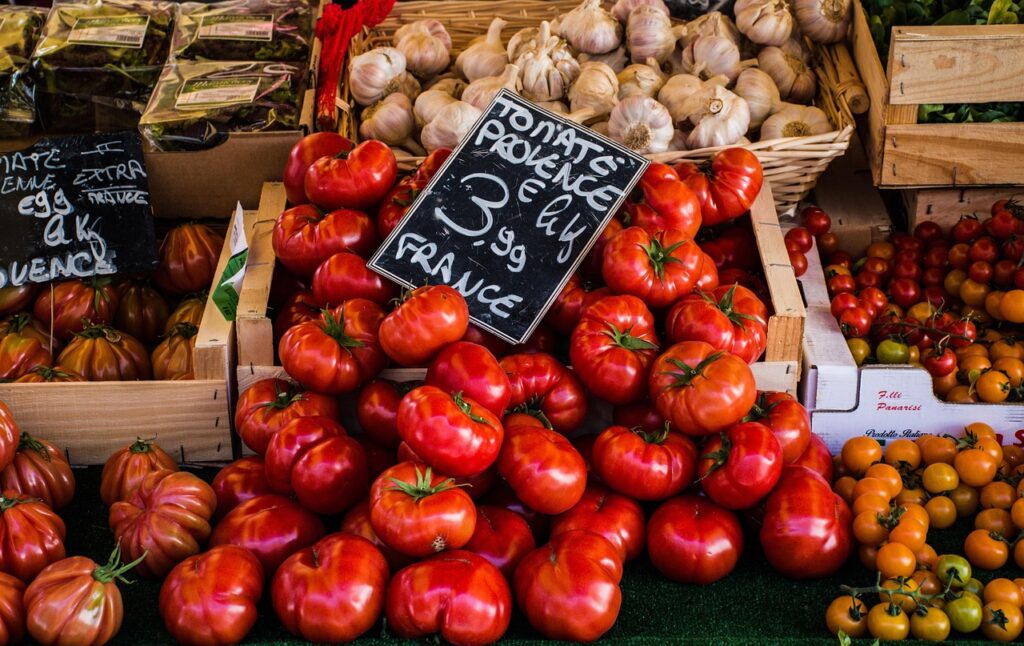
Kotor’s food scene goes well beyond tourist taverns: it lives in markets, small family grocery stores and nearby producers. One of the main spots is the covered market (Local Market Kotor) located at Ribarska 2, 85330 Kotor, open daily 07:00–14:00. You’ll find local cheeses (kajmak), seasonal vegetables, and above all artisanal olive oils. Prices: 0.5 kg of tomatoes around €1.50, a 250 g jar of kajmak €3–4, and a 500 ml bottle of extra virgin olive oil €8–15 depending on quality.
A producer not to miss is the farm Olive Estate Boka (Obod 18, Donja Lastva, 85330 Tivat — 10–15 minutes from Kotor). They open for tastings by appointment: €10.00 per person for a guided tasting (olive oil, tapenades, local biscuits). Hours by appointment, typically 09:00–17:00. Tip: book in advance, especially during high season.
The shop Konoba Galerija More at Trg od Oružja 4, 85330 Kotor offers artisanal preserves and local pasta. Preserves start at €5, while tasting baskets (oil, olives, honey) sell around €20–30. Opening hours: 10:00–18:00.
To taste authentic Montenegrin cuisine, favor small family konobas over waterfront restaurants. For example, Konoba Scala Santa (Ulica Svetog Krsta 12, Stari Grad, 85330 Kotor) serves fresh fish dishes: pržena riba (fried fish) from €9.00, fish soup €4–6. Hours: 12:00–23:00. Local tip: ask for the “plate za dvoje” (platter for two) if you want to sample several specialties; price around €25–35.
Keepers of Religious and Cultural Heritage: Churches, Museums and Brotherhoods
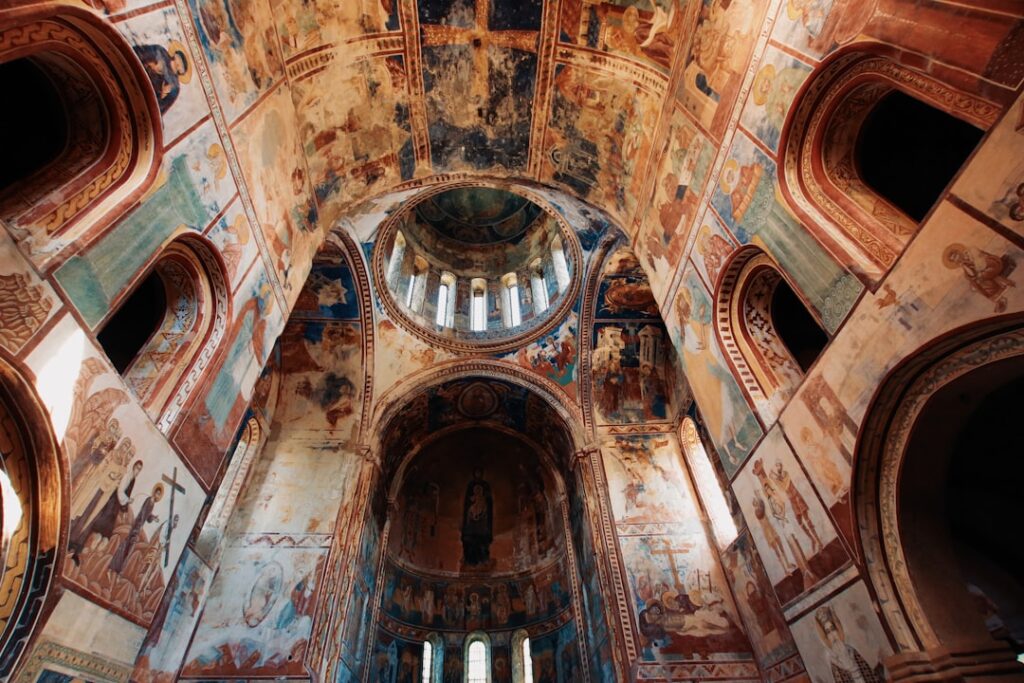
Kotor’s churches and museums are more than attractions: they’re community hubs where rituals and gatherings take place. The most famous is Saint Tryphon’s Cathedral (Katedrala Svetog Tripuna) at Trg sv. Tripuna 1, Stari Grad, 85330 Kotor. Generally open 08:00–19:00 in summer and 09:00–16:00 in winter. Entry is often charged for visitors (about €2–3); proceeds help with upkeep. Priests and volunteers working there can recount centuries of history, relics and frescoes, and sometimes allow access to church treasures on request.
The Maritime Museum of Montenegro (Pomorski Muzej) is another essential institution for understanding locals’ relationship with the sea. Address: Trg od Oružja 3, Stari Grad, 85330 Kotor. Hours: 09:00–17:00 (May–September) and 10:00–15:00 (October–April). Admission is about €4.00 for adults, with discounts for students and seniors. Staff, mostly natives of Kotor, offer lively explanations about navigation, shipyards and old maps.
Local brotherhoods, often invisible to tourists, organize religious festivals and processions that reveal the town’s intangible heritage: chants, traditional costumes and communal meals. If a local invites you to a village celebration (Sveti Nikola, Sveti Tripun), accept — it’s a chance to witness old ceremonies, share a meal and enter the locals’ circle. Advice: observe dress codes in churches (shoulders covered, no shorts). Generally, offer a small donation (€1–5) if you take photos inside during a guided visit.
Young Entrepreneurs and Creators: Reinventing Kotor Today
Kotor isn’t frozen in the past: a generation of young entrepreneurs is launching hybrid projects at the crossroads of responsible tourism, arts and technology. Small businesses are popping up in varied fields: design accommodations in the old town, contemporary art galleries, café-coworking spaces and eco-friendly kayak tours. These initiatives are redefining the town’s tourism offer and creating jobs for local youth.
One example: Kotor Creative Hub, a coworking space at Ulica od Pomena 10, Stari Grad, 85330 Kotor, offers day passes (€6.00) or weekly passes (€30.00), and runs workshops on managing sustainable tourism businesses. Hours: 09:00–18:00, closed Sundays. The founders, often graduates in tourism or visual arts, organize temporary exhibitions that spotlight local artists.
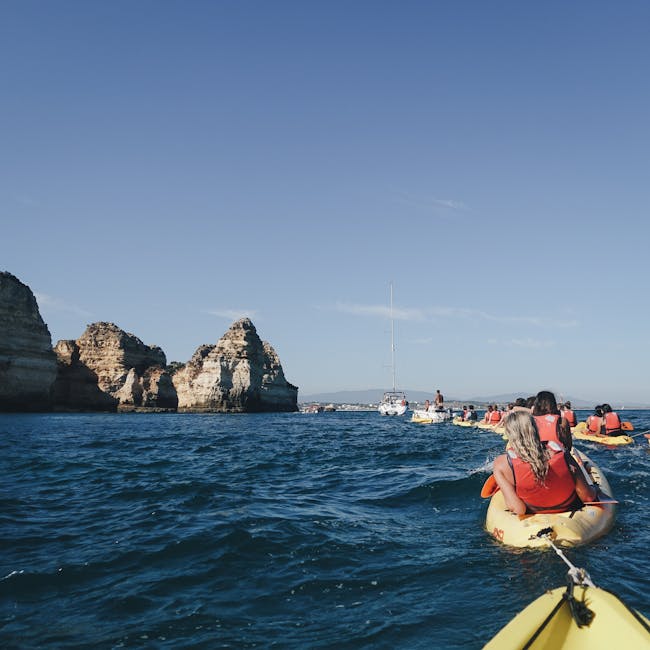
In the adventure sector, young local guides run kayak trips and off-the-beaten-path hikes. For instance, Boka Kayak Tours (meeting point: Sea Gate, Vrata od Mora 1, 85330 Kotor) offers tours from €20.00 per person for 2 hours (equipment included). Hours: 08:00–19:00 in summer, reservation recommended. Guides often share family anecdotes and point out caves that remain little visited.
Cafés run by younger people, like Café Cultura (Morska Ulica 5, Stari Grad, 85330 Kotor), mix acoustic concerts, exhibitions and debate nights. Prices: espresso €1.20–1.80, sandwiches €3–6. Hours: 08:00–23:00. These spots are great for meeting Kotor locals open to conversation, learning about local initiatives and sometimes catching readings in English or Montenegrin.
Practical tip: follow these places on social media before you arrive to check their schedules. Be ready to pay in cash, though more places accept cards nowadays. And don’t rush: these projects thrive on slow exchanges, conversations over coffee and a shared desire to sustain the town beyond the tourist season.
Conclusion: Visit Kotor as a Guest Who Wants to Understand
Kotor is more than a backdrop: it’s a living community where every street, quay and workshop tells a story. To move beyond clichés, you must be willing to step into those human stories, learn a few words of Montenegrin, linger over a coffee longer than necessary and above all respect local rhythms. This guide has tried to give concrete access points: full addresses, indicative hours, prices in euros and practical tips to connect with the fishermen, artisans, producers, heritage keepers and young entrepreneurs shaping the town today.
The portraits here share one principle: encounter matters more than consumption. Rather than ticking off express visits, favor slow immersion — a morning with a fisherman in Muo, an afternoon in a wood workshop, an olive oil tasting away from the usual circuits. These experiences often cost little but require time and respect. The amounts shown (from €1.20 for a coffee to €50 for a private half-day fishing trip) are guides to help you plan, but the real value lies in conversations and shared know-how.
Finally, keep in mind that the town is changing: new places appear, some workshops are passed on and others disappear. If you fall for a craft or product, ask how to support it sustainably: buy local, recommend the address, write a short online review or come back the following year. Kotor will reward that investment: you’ll leave not only with beautiful images but with faces and stories that will keep resonating long after you’ve gone.
Enjoy your trip to Kotor — and remember: the best discovery is often the one you share.