Introduction: getting around Kotor — context, stakes and first impressions
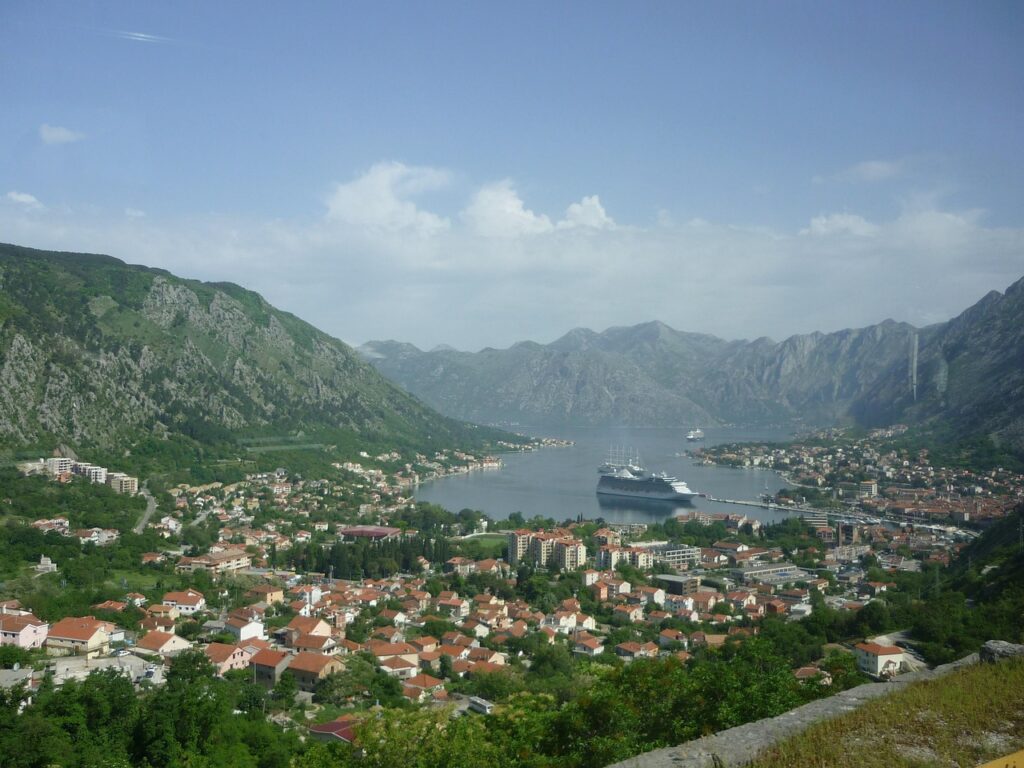
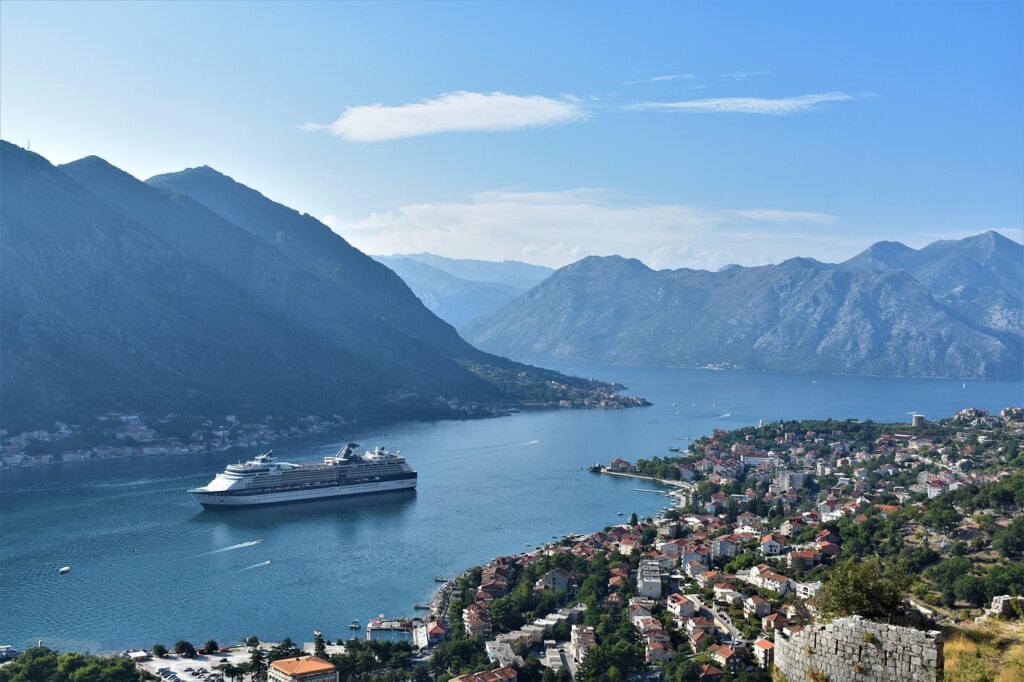
Kotor, tucked into the heart of the Bay of Kotor (Boka Kotorska) in Montenegro, is a place where the stones speak, every cobbled lane tells a story and the coastline shapes how people move. For travelers, understanding local transport in Kotor is more than logistics: it’s the key to living the town at local pace, making the most of your time and discovering viewpoints off the beaten track. Whether you arrive by plane at Tivat International Airport (Tivat Airport, Teodo, 85320 Tivat, Montenegro) or by ferry from Croatia, the range of options — local buses, water shuttles, taxis, rental cars, walking and cycling — lets you tailor your travel to budget, comfort level and the season.
Practically speaking, Kotor has two defining features: its medieval Old Town (Kotor Old Town, Stari Grad, 85330 Kotor, Montenegro) is narrow and largely pedestrianized, making walking essential; and the bay, split into arms and small towns like Perast, Dobrota, Prčanj and Tivat, encourages using boats for quick, scenic hops. Land transport is run by local companies and intercity lines connecting Kotor with Podgorica, Budva, Herceg Novi and other coastal points. Visitors should factor in seasonal schedules (summer vs winter), reduced frequencies in low season, and the need to reserve or pre-purchase tickets for some popular routes.
This article aims to be a practical, detailed guide for getting around in and around Kotor: we’ll cover bus lines and frequencies, ports and local sea links, taxi and car rental options, essential walking routes, and money-saving tips. You’ll find precise addresses (where to buy tickets, where the docks are), price ranges in euros, typical schedules (with morning/evening notes), local tips (best times to avoid crowds, how to haggle a taxi), and suggestions for greener alternatives (bike, rideshare). The goal is to help you organize travel with confidence, maximize visits and enjoy the outstanding panoramas of the Bay of Kotor.
1) Local and intercity buses: stations, schedules, fares and tips
The bus network around Kotor includes local lines serving nearby villages and intercity connections to major Montenegrin towns. The main station is commonly called Autobuska stanica Kotor (Kotor Bus Station). A handy reference address: Autobuska stanica Kotor, Trg od Oružja, Stari Grad, 85330 Kotor, Montenegro — this is where most long-distance buses arrive and where ticket offices and information desks are located. Buses are run by several local companies, including private seasonal operators. Timetables vary greatly by season: in high season (June–September), departures to Budva and Tivat can be frequent, sometimes every 30–60 minutes; in low season, expect as few as 2 to 4 departures per day for some destinations.
Indicative fares (for reference):
- Trip Kotor → Budva (about 23 km): €2.50–€4.00 depending on bus type.
- Kotor → Tivat (approx. 10 km): €1.50–€3.00.
- Kotor → Podgorica (long-distance line, approx. 90 km): €8.00–€12.00.
- Kotor → Herceg Novi: €6.00–€9.00.
These prices are indicative; it’s common to pay cash on board (euros accepted) or to buy a ticket at the station ticket office.
Typical schedules:
- Local buses Kotor ↔ Dobrota/Prčanj/Perast: first departures around 06:30–07:00, 1–2 hour daytime frequency, last departures often around 20:00–21:00.
- Intercity lines Kotor ↔ Budva/Tivat: 06:00–22:00 in high season, reduced outside peak months.
- Long-distance lines Kotor ↔ Podgorica: 05:30–19:00, several departures a day.
Practical tips:
- Buy at the ticket office: at Autobuska stanica Kotor (Trg od Oružja) you’ll find up-to-date timetables and can book seats for long routes.
- Summer vs winter timetables: always check online or at the ticket office because frequencies often double in summer.
- Luggage: have small change ready for luggage storage; some buses charge a small fee for large suitcases (€0.50–€1.00).
- Local tip: for very touristy routes (Kotor → Budva or Tivat), leave early in the morning to beat the crowds and secure a bay-side seat.
2) Boats, ferries and water taxis: docks, connections, prices and timetables
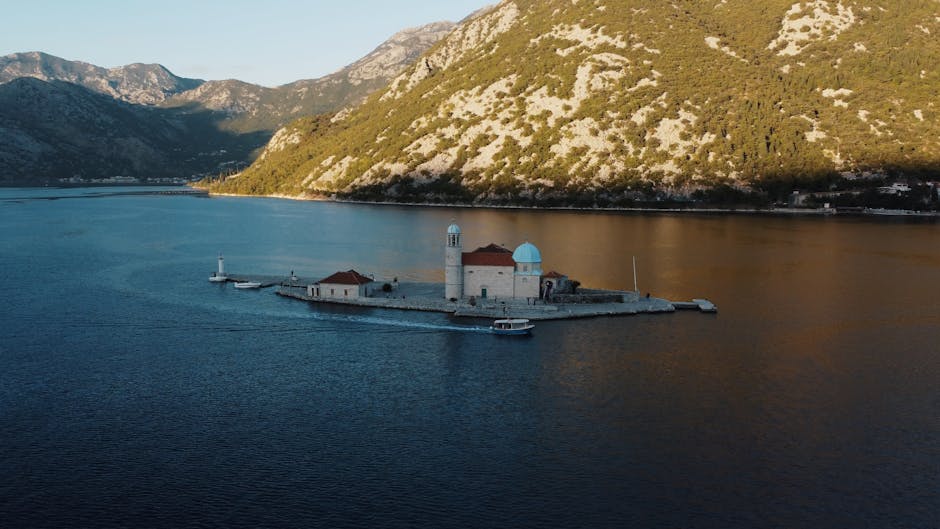
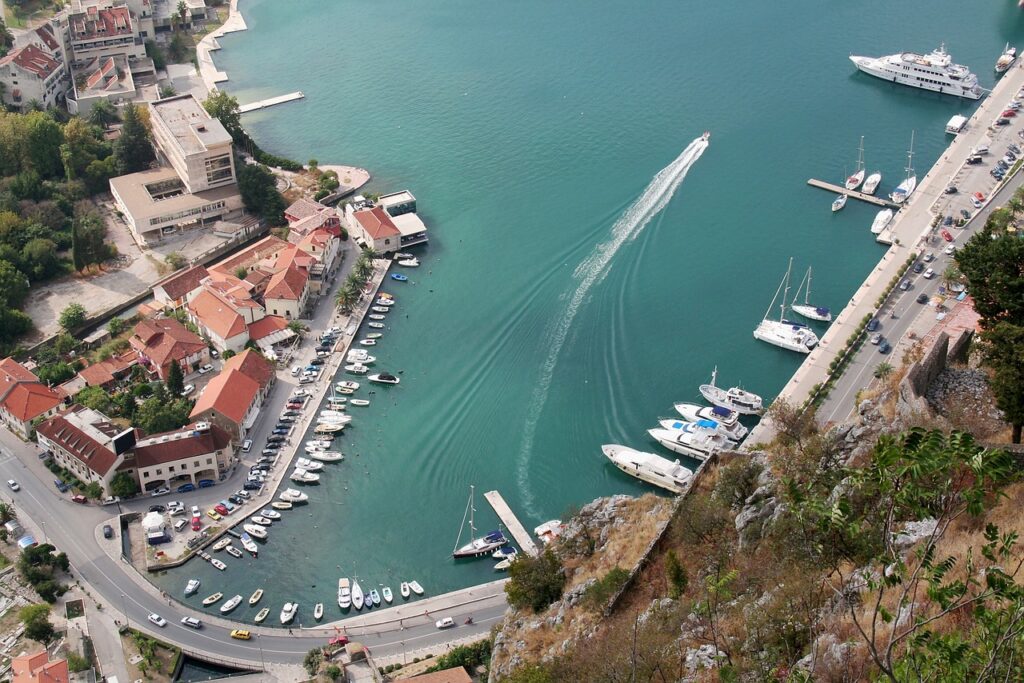
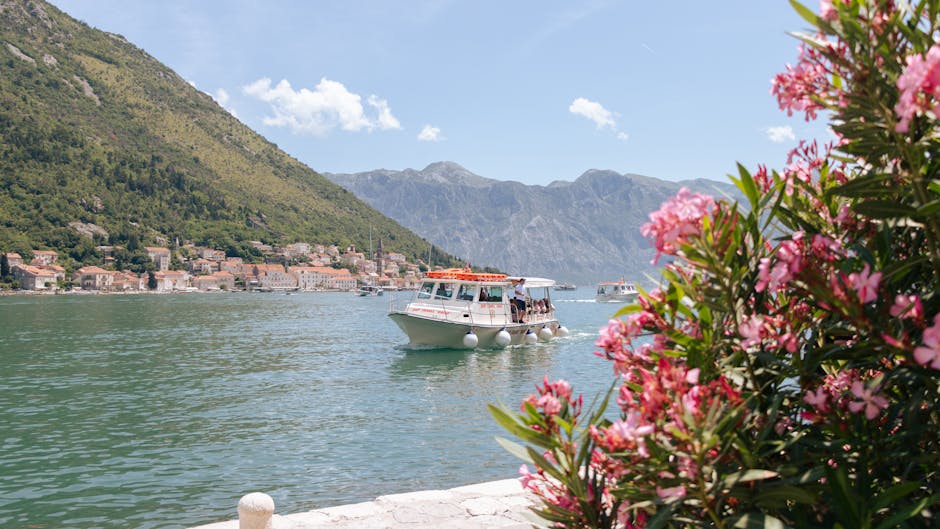
The Bay of Kotor is perfect for short maritime transport. Several boarding points sit along the waterfront: the Old Port (Port of Kotor), Obala 6, Stari Grad, 85330 Kotor is the main quay for tourist departures and water taxis. Regular links include trips to Perast, the islet of Our Lady of the Rocks (Gospa od Škrpjela), Prčanj, and Tivat. Shuttle boats (public/private) run more often in summer.
Sample routes and fares:
- Kotor → Perast (one-way): €4.00–€7.00 per person. Duration: 15–25 minutes depending on stops. High-season departures every 30–60 minutes, typically starting around 08:30, last ones near 19:00.
- Kotor → Tivat Ferry Port (ferry service, seasonal): €5.00–€10.00 depending on operator; duration 20–40 minutes.
- Private water taxis (Port of Kotor, Obala 6): Kotor → any bay village on demand, indicative rate €20–€50 for a short private trip, negotiable by passenger count and time.
- Kotor → Mamula / Herceg Novi (excursions): full-day organized trips €25–€50 per person.
Schedules and reservations:
- Tourist docks: excursion ticket offices are often around Obala 6 and the Marina; buy the day-before tickets for highly demanded trips.
- Seasonal schedules: in high season expect regular services 08:30–20:00; off-season services are reduced or run only on demand.
- Water taxis: available 24/7 by booking in advance, especially useful for late arrivals or private transfers from Tivat Airport (expect €30–€60 depending on distance and time).
Local tips:
- Arrive 15–20 minutes before departure at the main quay (Port of Kotor): boarding moves fast and covered seating is limited.
- If you want to visit Gospa od Škrpjela (Our Lady of the Rocks) from Perast, combine Kotor→Perast by boat then take a small local boat to the islet: total budget about €8–€12.
- Always offer payment in euros; keep small notes for tipping the captain (€1–€3 is appreciated).
3) Taxis, private transfers and car hire: fares, addresses and recommendations
Taxis are a convenient option, especially with luggage or for late-night trips. Main ranks are near the port and bus station. A useful address: Kotor Taxi Rank, Obala, Stari Grad, 85330 Kotor, Montenegro (port area). You’ll also find private transfer services from Tivat Airport: most hotels can arrange them, or you can book via local companies.
Indicative taxi fares (meters are uncommon; fixed fares are often negotiated):
- Transfer Tivat Airport (Tivat Airport, Teodo, 85320 Tivat) → Kotor: €10–€20 (depending on time and number of passengers).
- Kotor Old Town → Tivat: €12–€18.
- Kotor → Budva: €25–€40 (negotiable for shared taxi).
- Short trips (within the bay): generally €5–€12.
Car rental:
- International and local agencies: rental counters at Tivat Airport and in Kotor town center. Example agency address: Local Car Rental Agency, Obala 4, Stari Grad, 85330 Kotor, Montenegro.
- Rates: from about €25–€35 per day in low season for a small city car, €40–€60 in high season. Insurance included varies; check the excess.
- Conditions: credit card is usually required for the deposit; an EU driving license is recommended.
Safety and logistics tips:
- Parking: spaces around the Old Town are limited. Recommended parking: Parking Obala, Obala 1, Stari Grad, 85330 Kotor (paid zones, roughly €1–€2/hour depending on season).
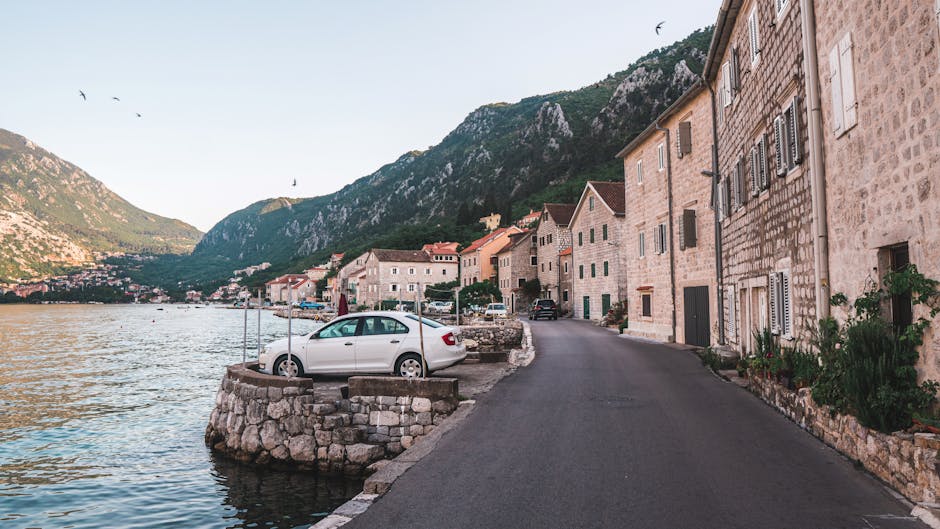
- Driving: coastal roads are winding and sometimes narrow; be cautious in summer with heavy tourist traffic. You can drive up toward San Giovanni Fortress (Fort of Saint John) but park at the top of the trail for the final pedestrian section.
- Official taxis: prefer vehicles with a meter or clearly displayed license; for shared rides, agree the price before getting in.
4) On foot, by bike and local hikes: routes, durations and practical advice
Kotor is a city best discovered on foot. The Old Town (Kotor Old Town, Stari Grad, 85330 Kotor) is almost entirely pedestrian, with narrow streets, historic squares like Trg od Oružja and landmarks such as St. Tryphon Cathedral (St. Tryphon Cathedral, Trg od Oružja 1, 85330 Kotor). Walking not only immerses you in the medieval atmosphere but also gives access to cafes, artisan workshops and viewpoints.
Walks and timings:
- Kotor Old Town: allow 1.5 to 3 hours to wander, visit St. Tryphon Cathedral and the Maritime Museum (Maritime Museum of Montenegro, Trg od Oružja 4, 85330 Kotor).
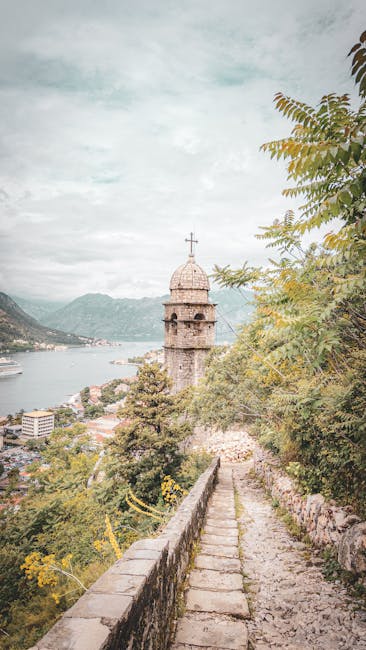
- Ascent to San Giovanni Fortress (San Giovanni Fortress): plan 1–1.5 hours to climb from the Old Town to the top (about 1,350 steps to the highest fort), with a rest at the mid viewpoint for spectacular bay views. Entry fee: a small charge around €3–€8 depending on which sections are open and the season.
- Coastal walk Dobrota → Perast: 40–60 minutes following the coastal road, pleasant late in the day.
Biking and e-scooters:
- Bike rental: several shops in the historic center and near the port. Prices: €8–€15/day for a standard bike, €20–€35 for a quality MTB or e-bike.
- Recommended routes: Kotor → Dobrota → Prčanj (coastal road, gentle elevation); avoid the main busy road during peak hours.
- Safety: helmet recommended, watch for stretches without bike lanes; some coastal roads get heavy traffic in summer.
Local tips:
- Shoes: wear closed, non-slip footwear for the San Giovanni climb (uneven stones, worn steps).
- Water and sun: bring at least 1 liter per person for hikes and sun protection — shade can be limited on some trails.
- Best time: early morning or late afternoon for softer light and cooler temperatures; the sunset view over the bay is unforgettable.
5) Money-saving tips, budget hacks and local recommendations
To make the most of Kotor’s local transport without breaking the bank, a few tips and local habits go a long way. First, favor maritime transport for trips between bay villages: it’s faster and the views often make the ticket worth it. Buying multi-trip tickets (or combined excursions) can often save you 10–20% versus single fares.
Budget tips:
- Transport cards & tickets: some operators offer day passes for boats or discounts for return journeys — ask at the port ticket office (Port of Kotor, Obala 6).
- Local buses: always pay cash (euros) on board to avoid card fees. If you travel frequently, buy a booklet of tickets if available.
- Shared taxis: for trips to Budva or Tivat, negotiate a shared taxi at the rank: 2–4 people can split the fare and it often matches the price of a fast bus.
Other practical recommendations:
- Apps and info: use local Facebook groups or ask your accommodation’s front desk for daily timetables; online schedules aren’t always updated instantly.
- Currency and payments: Montenegro uses the euro; always carry some notes and small coins for buses, small boats and tips.
- Seasonality: in July–August travel early in the morning to avoid ticket lines and crowded buses/ferries.
- Local respect: the Old Town is a living neighborhood; don’t drive into small streets without permission and respect pedestrian zones.
Conclusion: planning transport in Kotor for a smooth, discovery-filled stay
Getting around Kotor mixes logistics with visual pleasure. Between strolls in the medieval lanes, low-water boat crossings and scenic drives by taxi or rental car, every transport mode adds to the experience. To make the most of your stay, plan long-distance transfers in advance (notably to Tivat or Podgorica airports), check seasonal bus and ferry timetables, and leave buffer time for delays during high season.
Keys to a successful trip: know the locations of transport hubs (Autobuska stanica Kotor, Port of Kotor, recommended parking), anticipate prices in euros and the need for cash for some services, and use maritime options to link bay villages quickly. Don’t forget active alternatives — walking and cycling — which give total freedom and direct contact with the scenery. Finally, adopt local money-savers: book popular boats in advance, carpool or share taxis to cut transfer costs, and buy group or return tickets when available.
With these practical details — landmark addresses, price ranges, typical schedules and local tips — you’re now ready to navigate Kotor and its surroundings smartly. Whether your priority is saving money, speed or immersion, Kotor has options: from budget buses to panoramic water taxis, and the contemplative walk along the ramparts. Plan, adapt and above all, take time to enjoy each crossing: the Bay of Kotor is a living, changing landscape, and local transport often provides the best stage for it.