





Introduction — Understanding Pharmacies in Kotor
Kotor, the fortified town tucked into its eponymous bay in Montenegro, blends a rich medieval heritage with modern services tailored to travelers. Among those services, pharmacies (locally called “apoteka”) are essential: whether you need prescription medicine, a quick painkiller, sunscreen for a boat day, or a thermometer to check a fever, it helps to know where to go, when they’re open, and what things might cost. This guide gives you a practical map of Kotor’s pharmacies, opening hours, exact addresses, sample prices in euros, and hands-on tips for dealing with minor medical issues while traveling.
Kotor’s layout — a densely built old town encircled by a more modern urban area — means you’ll find pharmacies both inside the city walls (handy during sightseeing) and outside near the waterfront or main roads (more convenient if you arrive by car or boat). Some apotekas open early and close late, while others run 24-hour on-call services, especially during high season. This guide separates pharmacies in the old town, those near the port, and establishments offering special services: over-the-counter sales, prescription dispensing, medical supplies, and travel essentials (antiseptics, plasters, sunscreen, motion-sickness meds).
We include descriptive notes to help you spot each pharmacy (storefront, sign, nearby landmark), their full addresses and usual hours, and a price range in euros for typical items: paracetamol 500 mg, ibuprofen, anti-diarrheal meds, motion-sickness treatments, sunscreen, test strips, thermometers. You’ll also find practical tips on buying medicine in Montenegro (prescriptions, talking with the pharmacist, payment), useful Serbo-Croatian/English phrases, and local recommendations (when to prefer a public hospital over a pharmacy, emergency numbers, insurance). This guide is designed to be useful whether you’re on a short tourist stay or a longer visit to the Kotor area.
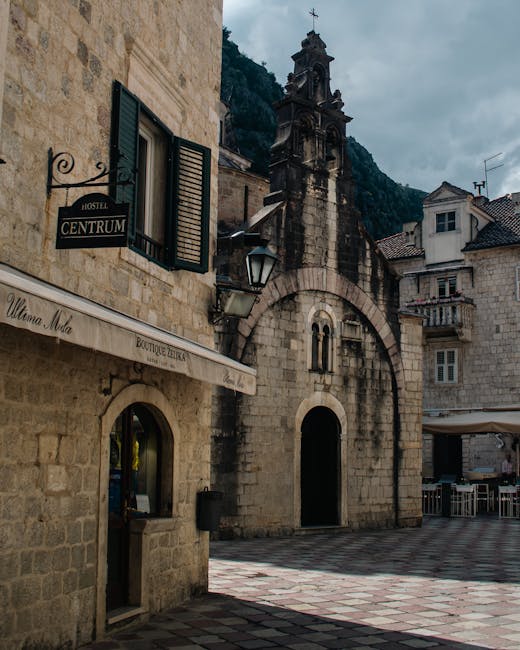
Pharmacies in the Old Town — convenient while sightseeing
Inside Kotor’s city walls, pharmacies are few but well positioned. These apotekas are designed for pedestrians: you can pop in right after visiting Saint Tryphon Cathedral or strolling across Arms Square. They typically stock basics, wound care, antiseptics, and common painkillers. Here are three key places to know.
-
Apoteka Stari Grad — Kotor Old Town Pharmacy
Address: Stari Grad 12, 85330 Kotor, Montenegro
Opening hours: Monday–Sunday 08:00–20:00 (extended high season: 08:00–22:00)
Sample prices: Paracetamol 500 mg (20 tablets) €2.50; Sterile adhesive bandages (pack of 10) €2.00; Antiseptic gel 100 ml €3.50.
Description: Small stone storefront with a green “APOTEKA” sign and a single service counter. Ideal for quick purchases while exploring. Staff speak basic English; they can sell painkillers and non-prescription items. Closes earlier outside peak season. -
Apoteka Trg Od Oruzja — Pharmacy at Arms Square
Address: Trg od Oružja 3, 85330 Kotor, Montenegro
Opening hours: Monday–Friday 07:30–19:30, Saturday 08:00–14:00, Sunday closed (except on-call shifts).
Sample prices: Ibuprofen 400 mg (20 tablets) €3.00; Anti-diarrheal (loperamide 6 caps) €2.50; Sunscreen SPF 30 100 ml €12.00.
Description: Located on one of the main squares, it offers a short consultation corner and a small baby-care selection. Very busy in the mornings. -
Apoteka Kotor Old Port — Port Side Pharmacy
Address: Obala 67, 85330 Kotor, Montenegro
Opening hours: Monday–Sunday 09:00–21:00 (high season 08:00–23:00).
Sample prices: Motion-sickness meds (hyoscine 10 mg, 10 tablets) €4.50; Sterile compresses 10 pcs €2.20; Basic digital thermometer €11.00.
Description: Just steps from the boarding quay — handy for boat trips. Pharmacists here are used to tourists and speak English. They can recommend motion-sickness remedies and offer topical pain-relief patches.
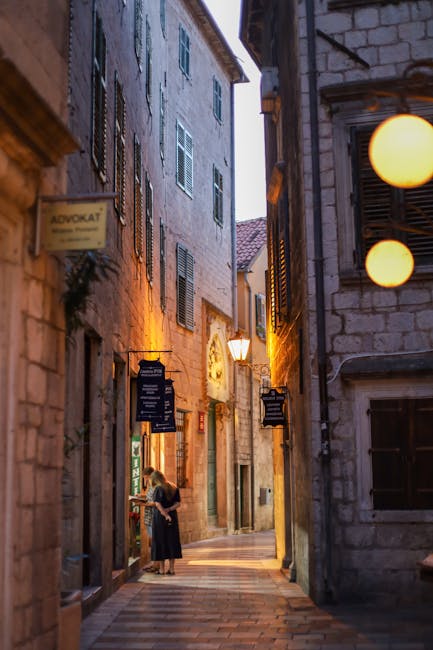
Modern pharmacies and chains — services, medical supplies and on-call shifts
Beyond traditional apotekas, Kotor and the surrounding area have modern pharmacies and regional chain branches that offer a wider selection: diabetic supplies (test strips, lancets), simple orthopedic devices, heating pads, and professional advice. They’re also more likely to have extended hours or a night-on-call service (dežurna apoteka). Here are representative examples and what they provide.
-
BENU Apoteka Kotor (chain)
Address: Ulica Njegoševa 27, 85330 Kotor, Montenegro
Opening hours: Monday–Saturday 08:00–20:00, Sunday 09:00–14:00; night-on-call shifts announced locally.
Sample prices: 30 ml saline ampoule €1.20; Adhesive tape & dressings €1.50–€4.00; First aid kit €9.00–€18.00.
Description: A modern layout with organized shelving, card payments accepted, and a larger stock of international brands (possible equivalents for medicines like Diovan or Ventolin inhalers). Customer service in English; you can call ahead to check availability. -
Apoteka Mornar — Pharmacy near Tivat Road
Address: Jadranska Magistrala 2A, 85330 Kotor (main road towards Tivat)
Opening hours: Monday–Friday 08:00–19:00, Saturday 08:00–14:00, Sunday rotating closures.
Sample prices: Allergy pack (loratadine 10 mg, 10 pcs) €3.50; Mild burn cream €6.00; Anti-inflammatory gels 100 ml €7.50.
Description: Convenient if you’re driving from Tivat airport. Offers compression stockings, simple splints, and sometimes rents crutches for short periods. -
Apoteka Dežurna Kotor — Emergency Night Pharmacy
Address: Njegoševa 5, 85330 Kotor, Montenegro (reference address; hours vary and are posted locally)
Opening hours: 24 hours (rotating schedule according to municipal planning) — check local signage or call the town hall at +382 (0)32 333 000 to confirm.
Sample prices: Prescription medicines vary; phone consultations €0 (pharmaceutical advice is free); small devices €5–€20.
Description: This pharmacy is activated on rotation for night emergencies; it may not carry the full stock of larger chains but can provide emergency options. Ideal if you have a minor issue in the middle of the night.
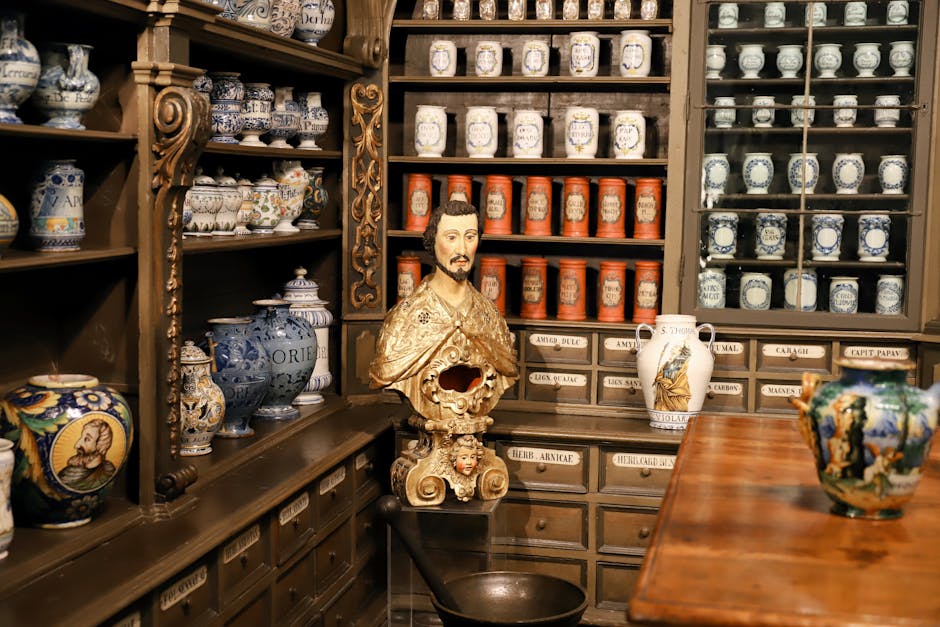
Practical tips for buying medicines, prices and communicating
Knowing how to buy at a Kotor pharmacy will save you hassle: understand local prescription rules, communicate clearly, and budget realistically. Below are key points, useful phrases, and a realistic price range to help you plan your health expenses.
-
Prescriptions and prescription-only medicines
In Montenegro, many medicines are prescription-only (for example some antibiotics, opiates, and psychotropic drugs). If you have a prescription from your home country, bring it (preferably in English); some pharmacies accept foreign prescriptions while others require a local doctor to rewrite it. Private consultation fees: €25–€60 depending on the clinic; cost of an antibiotic (e.g., amoxicillin 500 mg, 20 pcs): €6–€12. -
Typical prices (estimates in euros)
– Paracetamol 500 mg, 20 pcs: €2.00–€3.50
– Ibuprofen 400 mg, 20 pcs: €2.50–€4.00
– Anti-diarrheal (loperamide, 6 caps): €2.00–€4.00
– Blood glucose test strips (pack of 10): €8–€18
– Simple digital thermometer: €8–€25
– Sunscreen SPF 30 (100 ml): €8–€25 depending on brand
These prices vary by brand and season (high season can push up prices on some imported goods). -
Payment methods and cards
Many pharmacies accept credit/debit cards (Visa, Mastercard), especially chain stores. Small apotekas in the old town may prefer cash; always carry a few euros. Prices are usually shown in euros (the local currency is the euro), which simplifies transactions. -
Communication and useful phrases
– “Imate li …?” = “Do you have …?”
– “Potrebna mi je recept” = “I need a prescription” (or “I have a prescription” = “Imam recept”).
– “Bol u stomaku” = “stomach ache”, “Mučnina” = “nausea”.
Pharmacists often speak basic English — still, prepare key words and the medicine leaflet if possible. -
Local tips
– Photograph the leaflet of your medications before you travel to show the composition when looking for a substitute.
– Keep packaging and leaflets: very useful for customs and pharmacists.
– If you have a chronic condition (diabetes, hypertension), bring enough medicine for your entire stay plus a copy of your prescription.
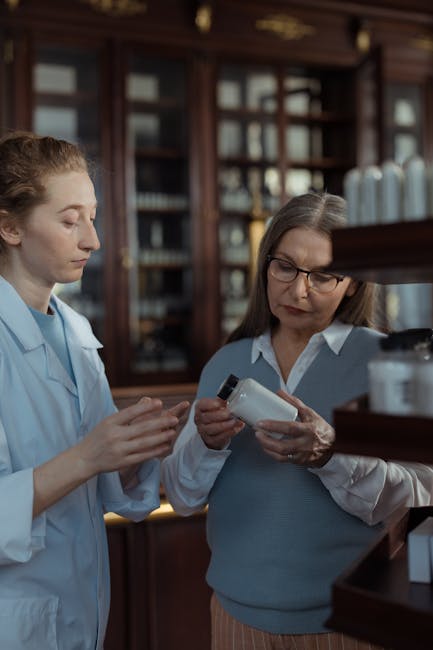
When and where to go in an emergency — hospitals, A&E and useful numbers
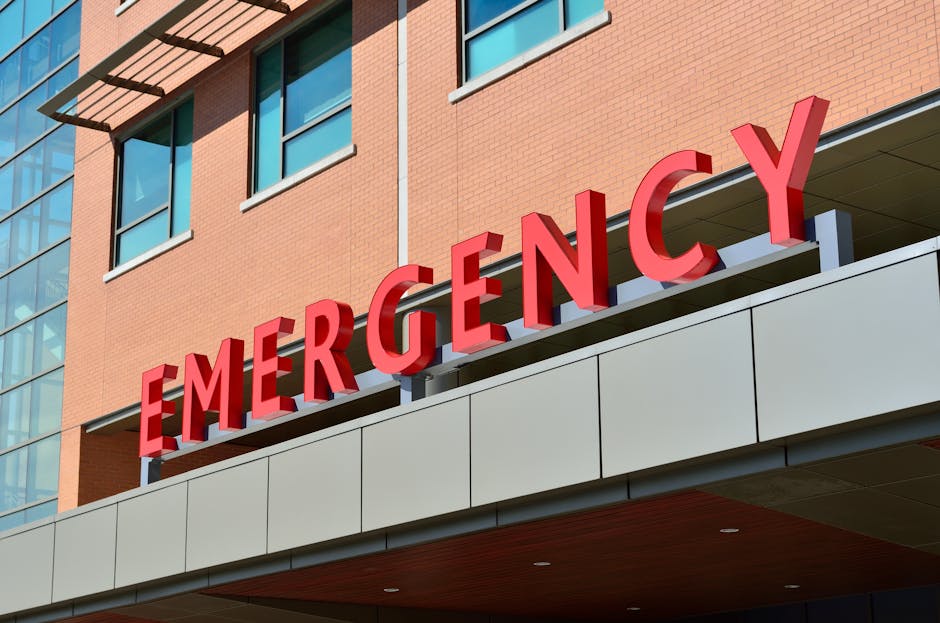
Pharmacies are great for minor issues; for serious emergencies (chest pain, unconsciousness, heavy bleeding) you must go to a hospital or call emergency services. In Kotor there are health centers and regional hospitals, plus private clinics that can treat tourists in urgent cases.
-
Dom Zdravlja Kotor — Health Centre Kotor
Address: Njegoševa bb, 85330 Kotor, Montenegro
Opening hours: Outpatient consultations: Monday–Friday 07:00–19:00; Emergency: 24h (subject to availability).
Services: General medicine, minor procedures, advice and referrals to hospital. Cost of a primary care visit for a tourist: €15–€35. Limited English support may be available. -
General Hospital Kotor (regional referral)
Address: Radanovici (regional reference, 20–30 min by car from Kotor) — check directions with the town hall.
Opening hours: Emergency 24h.
Services: Emergency department, radiology, inpatient care. Major procedures may be transferred to Podgorica or Belgrade depending on complexity. -
Emergency numbers
– Ambulance/Police/Fire: 112 (European emergency number, available in Montenegro)
– Kotor town hall (local information): +382 (0)32 333 000
– To find the pharmacy on duty: call the local health center or check notices near main pharmacies.
Preparation tips for travelers — medical kit and insurance
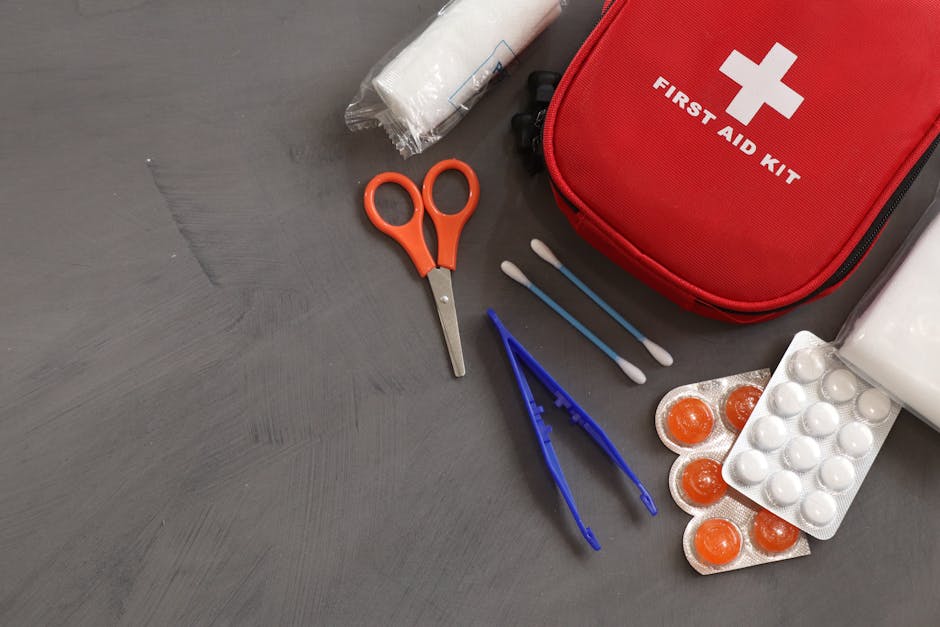
A smart trip starts with a well-packed medical kit. Kotor’s pharmacies cover essentials, but for peace of mind pack some items and check your health insurance. Below is a recommended list and tips on travel insurance and medication storage.
-
Recommended contents for a travel medical kit
– Painkillers: paracetamol and ibuprofen (enough for your stay).
– Anti-diarrheal and oral rehydration sachets.
– Motion-sickness meds (scopolamine patch or dimenhydrinate).
– Plasters, sterile compresses, antiseptic (povidone-iodine or alcohol), adhesive tape, small scissors.
– Digital thermometer, SPF 30+ sunscreen, insect repellent (DEET 20–30%).
– Paper and digital copies of prescriptions and medical records. -
Health insurance and repatriation
Confirm that your insurance covers care in Montenegro, including private consultations and hospitalization. Keep your insurer’s contact details and a copy of your policy on your phone. If you rely on prescription medicines, make sure your insurance covers buying meds abroad or bring enough for the trip. -
Medication storage
Kotor can get hot in summer: some medicines need to be kept cool. Bring an insulated pouch for insulin and follow storage instructions. If you need refrigeration, ask your accommodation or the pharmacy if they can store an item temporarily. -
Additional local advice
– In high season (June–September), buy common items early in the morning to avoid stockouts.
– If you’re boating around the bay, keep a small anti-nausea kit and antiseptic in a dry bag.
– For more serious illnesses or specialist consultations, plan transfers to Tivat or Podgorica based on medical advice.
Conclusion — Getting care in Kotor with confidence
Kotor has a pharmacy network that meets travelers’ needs: from quaint apotekas in the old town to modern chain pharmacies and on-call emergency outlets. This guide has provided practical addresses, typical opening hours, example prices in euros, and helpful descriptions to recognize each location. By planning a little—bringing prescriptions, a basic kit, and suitable insurance—you’ll reduce risk and enjoy Kotor’s bay with greater peace of mind.
Remember: pharmacies are great for minor ailments, pharmaceutical advice and some medical devices, but they don’t replace emergency services. For any serious situation, call 112 or head to the nearest health center. Keep in mind the practical tips: photograph your prescriptions, keep packaging, and ask for local equivalents if a specific drug isn’t available. Most pharmacists in Kotor are used to tourists and speak English; simple, respectful communication will smooth any transaction.
Finally, tailor your purchases to the season: sunscreen and insect repellent for summer, cold remedies off-season. Keep some euros in cash, check local opening hours (especially for the on-call pharmacy) and know where the health center is located so you can travel with maximum peace of mind. Enjoy your trip to Kotor and take good care of your health while exploring this stunning coastline.