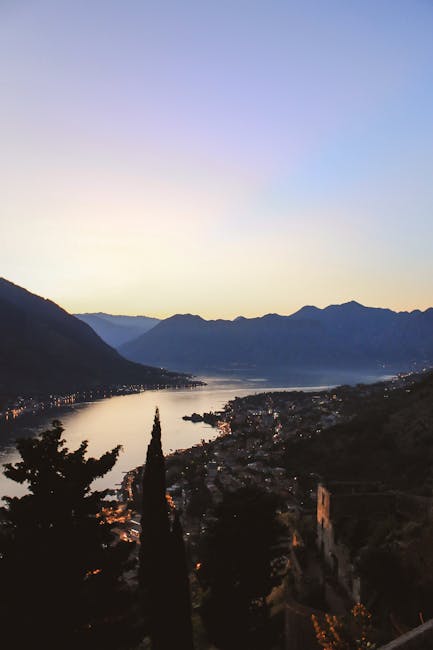
Introduction — A Dive into Kotor’s Medieval Soul
Kotor’s Old Town, commonly called Stari Grad Kotor, is one of the best-preserved medieval urban ensembles on the Adriatic. Cradled by massive walls and tucked into the dramatic Bay of Kotor (Boka Kotorska), this UNESCO-listed town blends Venetian architecture, Ottoman echoes, and Montenegrin traditions. Wander the cobbled lanes and you’ll find not only the landmarks listed in every guidebook but also well-kept secrets: tucked-away chapels, artisan workshops, forgotten stairways that lead to sweeping viewpoints, and cafes where time seems to stand still.
This general guide, written for curious travelers, takes you into the heart of Kotor’s Old Town with practical details, exact addresses, prices in euros, and up-to-date opening hours for the main sites. Beyond the practical facts, the goal is to convey the atmosphere — the ringing of bells, light playing on stone façades, the smell of coffee in tiny squares, and fishermen chatting by the harbor. You’ll find tried-and-true recommendations: when to visit to avoid crowds, how to climb the walls for an unforgettable sunrise, which artisans to support, and how to read the traces left by successive centuries (Venetians, Ottomans, Austrians).
Kotor’s Old Town reads like a history book. Every gate and palace carries a story: the Romanesque Cathedral of St. Tryphon (Katedrala Svetog Tripuna / Sveti Tripun), the Baroque palaces of Pima and Grgurina, the Arms Square (Trg od Oružja) with its loggia, and the remains of fortifications climbing up to St. John Fortress (San Giovanni). For the attentive visitor, Kotor also reveals off-the-beaten-path routes — quiet lanes where you’ll meet local gardeners, secret terraces, and workshops of Orthodox icon painters. This guide includes practical tips (prices, hours, addresses) and local insights to enrich your visit and ensure a deep, respectful immersion in Kotor’s living history.
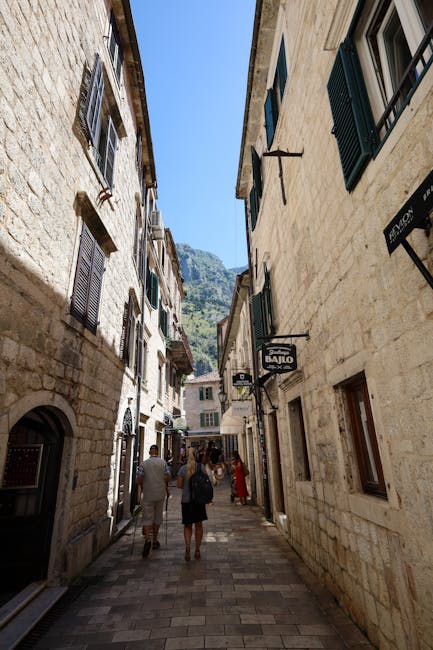
Must-see monuments: landmarks, addresses and practical info
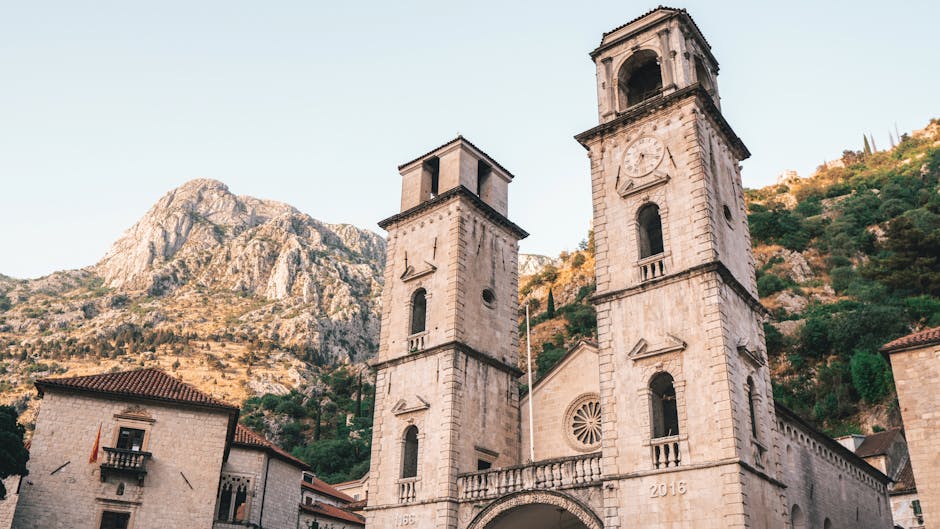
Kotor concentrates several major monuments, all within walking distance from the main gate (Vrata od Mora / Sea Gate). Start with St. Tryphon Cathedral (Katedrala Svetog Tripuna): official name Katedrala Svetog Tripuna, located at Trg od Oružja 3, 85330 Kotor, Montenegro. Typical opening hours: 09:00–17:00 (open daily; may close during religious services). Admission: around €3.00 for the cathedral and the treasury. Built in 1166 and rebuilt after several earthquakes, the cathedral is a Romanesque masterpiece with a treasury of liturgical objects and precious frescoes.
Just a few steps away is the Maritime Museum of Montenegro (Pomorski muzej Crne Gore), address Trg od Oružja 7, 85330 Kotor. Hours: 09:00–16:00 (high season), closed on Monday off-season. Price: roughly €4.00–€6.00. The museum traces the maritime history of the Bay of Kotor with ship models, navigation instruments and exhibits on traditional fishing — an excellent complement to understanding Kotor’s seafaring identity.
Arms Square (Trg od Oružja) is the social and historical heart: surrounded by palaces (Palazzo Pima, Palazzo Grgurina) and cafes. General address: Trg od Oružja, Stari Grad, 85330 Kotor. Markets and cultural events take place here in summer. Don’t miss Kotor’s Loggia (the small arcade) and the Clock Tower, located on Trg Sv. Tripuna, attached to the main street (partly Ulica 1. Maja / Njegoševa).
Practical tips: buy tickets for the cathedral and museum in cash (EUR); many small sites don’t accept cards. To avoid heat and crowds, visit early in the morning (before 10:00) or late afternoon. Respect places of worship: modest clothing required (shoulders and knees covered). And wear comfortable shoes — the cobbles are uneven and steps can be steep.
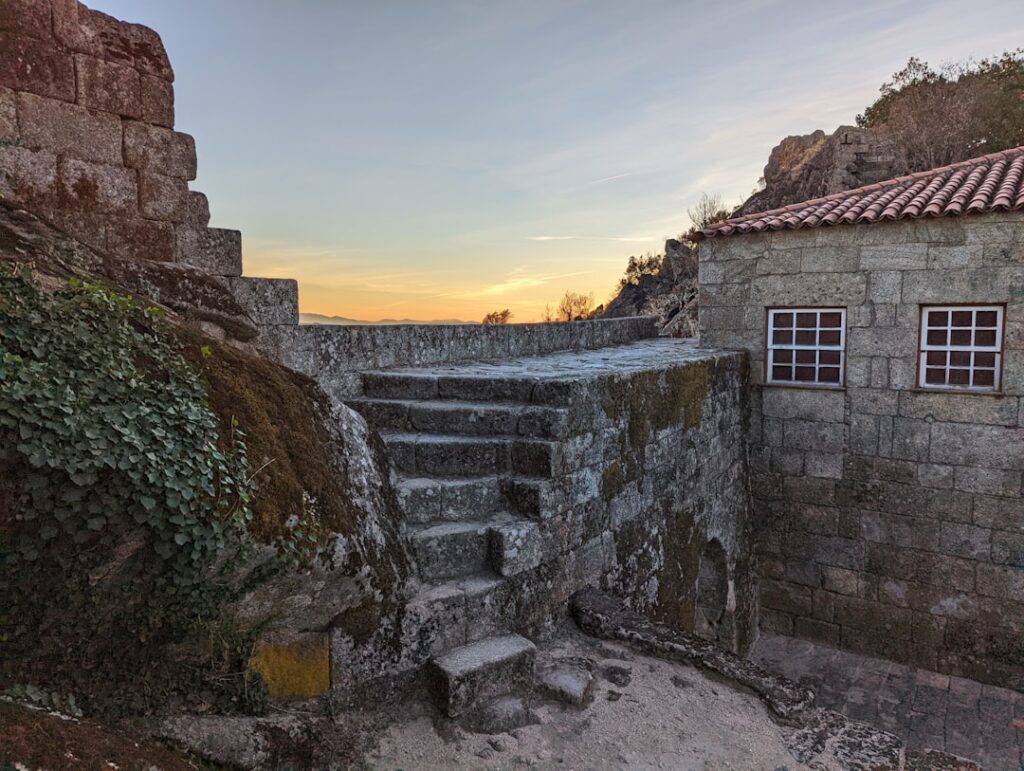
The climb to St. John Fortress: views, times and climbing tips
Climbing the walls up to St. John Fortress (Kula Svetog Ivana / St. John Fortress) is Kotor’s most spectacular experience. Starting point: the main entrance to the ramparts, near Vrata od Mora (Sea Gate), orientation address Ulica 1. Maja, Stari Grad, 85330 Kotor. The ticket booth for the climb is usually at the base of the walls; opening hours roughly 08:00–17:00 in season (May–Sept), reduced off-season. Price: about €8.00 per person (subject to change), payment in euros, cash preferred.
The ascent follows a very steep stone path with some narrow sections and no handrail in places. Distance to the fortress: about 1.5 km of elevation, roughly 1,350 cumulative steps depending on the route. Allow 45–90 minutes depending on your pace and photo stops. The views over the Bay of Kotor, the surrounding fjords and the terracotta roofs of the Old Town are breathtaking, especially at dawn or sunset. Points of interest along the way include the small St. Mary chapel and Venetian defensive bastions.
Local advice: set out early to avoid heat and crowds; bring at least 1 liter of water per person, a hat, sunscreen and sturdy hiking shoes or trainers. Don’t attempt the climb in wet weather — the stones get very slippery. Respect signage and avoid unmarked shortcuts to preserve the ruins. For a memorable experience, plan a sunrise climb (start before 06:00) — the atmosphere is magical and light is perfect for photos. Also bring change, as the ticket office doesn’t always give exact change for card payments.
Alleys, hidden squares and artisans: exploring the local soul
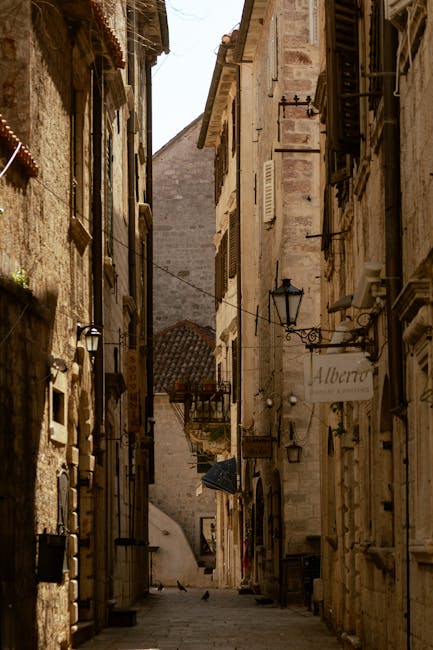
Getting happily lost in Kotor’s lanes is the best way to discover its character. Start on Ulica 1. Maja and Ulica Grgura Ninskoga, then turn into narrower passages: Ulica Škaljar, Ulica Sv. Marije and the walkways leading to Trg Gospa od Zdravlja. The maze reveals intimate little squares like Trg Svetog Luke and Trg ispred crkve Svete Marije (St. Mary’s Church Square), each lined with cafes, galleries and artisan workshops.
Artisans to know: the Orthodox icon workshop “Ikonopisac Atelier” at Ulica 1. Maja 15 (Stari Grad, 85330 Kotor) offers demonstrations of gilding and egg tempera painting. Typical hours: 10:00–18:00, closed Sunday mornings. Intro workshops cost €20–€40 depending on length. For ceramics and authentic souvenirs, head to “Galerija Cijevna” (Ulica Njegoševa 12, 85330 Kotor) where you’ll find locally made pieces priced roughly €10–€60.
Food-wise, small family-run spots are worth the stop: Konoba Scala Santa (Stari Grad, Njegoševa 2), average main courses €10–€20, specialties include seafood risotto and Montenegrin tapas. For an espresso and a pastry, try Caffe Bar Astoria on Trg od Oružja 4 (open 07:30–22:30, espresso ~€1.20–€2.00). Local markets sometimes set up in the morning on Trg od Oružja: fresh produce, mountain cheeses, artisan olive oil (prices vary; olive oil €6–€15 a bottle depending on quality).
Practical tips: out of respect for residents, avoid speaking loudly in residential lanes. If you want to photograph a shop or an artisan, always ask first — many will be flattered and happy to show their craft. Consider buying a small local item (ceramic, olive-oil soap, oil, or an icon-related object) — it’s the best way to support the local economy and bring home an authentic souvenir.
Conclusion — Experiencing Kotor beyond the monuments
Kotor’s Old Town is best experienced slowly. Beyond the iconic sights (St. Tryphon Cathedral, Maritime Museum, the rampart climb), Kotor’s essence lies in the details: a carved doorway, a cat napping on a doorstep, a lively conversation in a square, a family preparing traditional mezze. This guide has given you practical keys — exact addresses, opening hours, prices in euros — but the best advice is to open your senses. Listen for the bells, watch the boats glide across the bay, taste local products and let curiosity lead the way.
To make the most of your stay: plan at least a half-day to wander aimlessly in the historic center and reserve another half-day for the climb to the fortress. If you’re staying several days, vary the times you visit — early morning for the cathedral, late afternoon for the museums, and an overnight on the waterfront to enjoy the harbor atmosphere. Don’t forget cash: many small shops and museums accept only euros in cash.
Finally, respect the heritage and the residents: Kotor is a living town where tourism coexists with people who live and work here every day. Check mass times before visiting churches, avoid flash when viewing treasures, and steer clear of noisy behavior in the lanes late at night. Follow these tips and you’ll leave not only with stunning photos — from a café terrace to the fortress summit — but with human, authentic memories of a town that has crossed centuries without losing its soul.