Introduction — Why knowing Kotor’s healthcare options matters
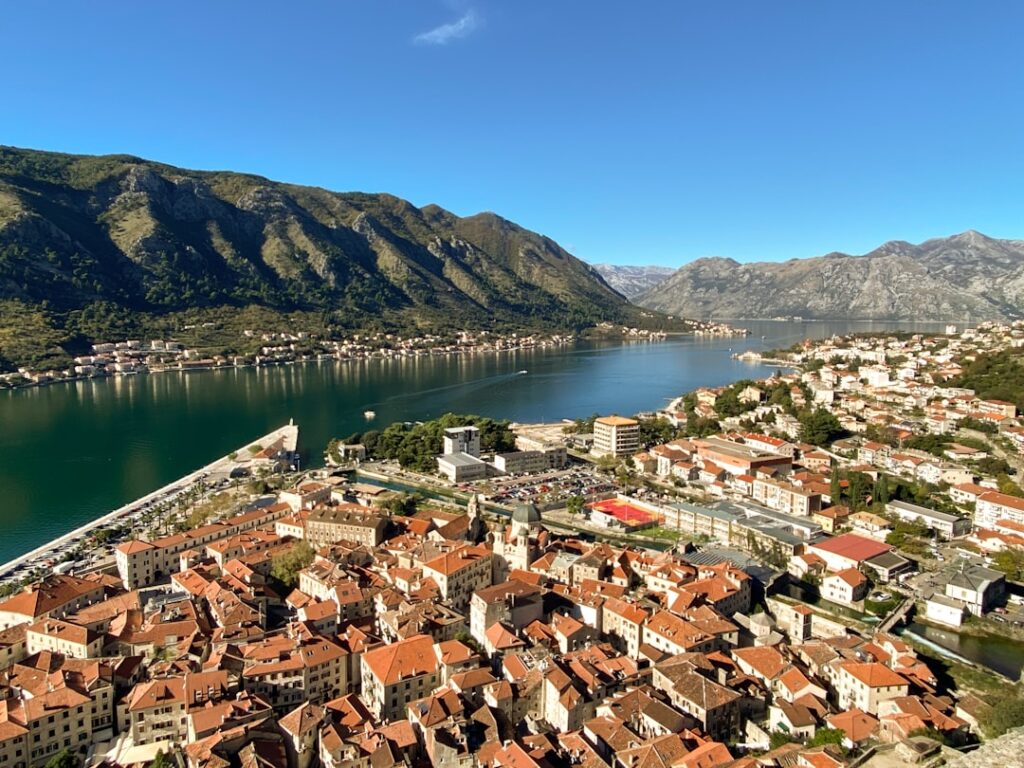
Kotor, the jewel of the Bay of Kotor in Montenegro, draws hundreds of thousands of visitors every year: cruise passengers, independent travelers, wall-walk hikers, divers and families. Its medieval old town, turquoise waters and mountain scenery can make you forget that health issues may pop up unexpectedly while traveling. Knowing in advance where to go for a medical consultation, an emergency, dental care or diagnostic tests reduces stress, saves time and can prevent unnecessary costs.
This practical, professional guide aims to give visitors and short-term residents a clear map of the main healthcare resources in Kotor: hospitals, municipal health centers (Dom zdravlja), private clinics, dental practices, diagnostic labs and pharmacies. For each location you’ll find the full name, exact local-format address, typical opening hours, indicative prices in euros and concrete tips to prepare for your visit (what documents to bring, how to get there, emergency transport and information on coverage for EU citizens and international travelers).
We cover situations from acute emergencies (chest pain, trauma, shortness of breath) to non-urgent consultations (fever, infections, prescriptions), dental emergencies (severe pain, broken teeth), radiology exams (X-ray, ultrasound), blood tests and COVID-19/PCR tests that some companies or travel rules may still require. We also include practical local tips: which pharmacies are on duty at night, transport options (public ambulance, taxis, private services), a few comments on costs and the importance of travel insurance that covers medical evacuation if you plan to hike in the Lovćen massif or visit nearby islands.
Finally, you’ll find useful recommendations — how to prepare before excursions, which medical documents to carry (medication list, allergies, European Health Insurance Card / EHIC) and how to communicate effectively with medical staff in Kotor (useful phrases in English and Montenegrin). In short, the goal is to let you enjoy Kotor with peace of mind, equipped with clear knowledge of local medical resources and key contacts you can use if needed.
1) Hospitals & emergency care — where to go for serious problems
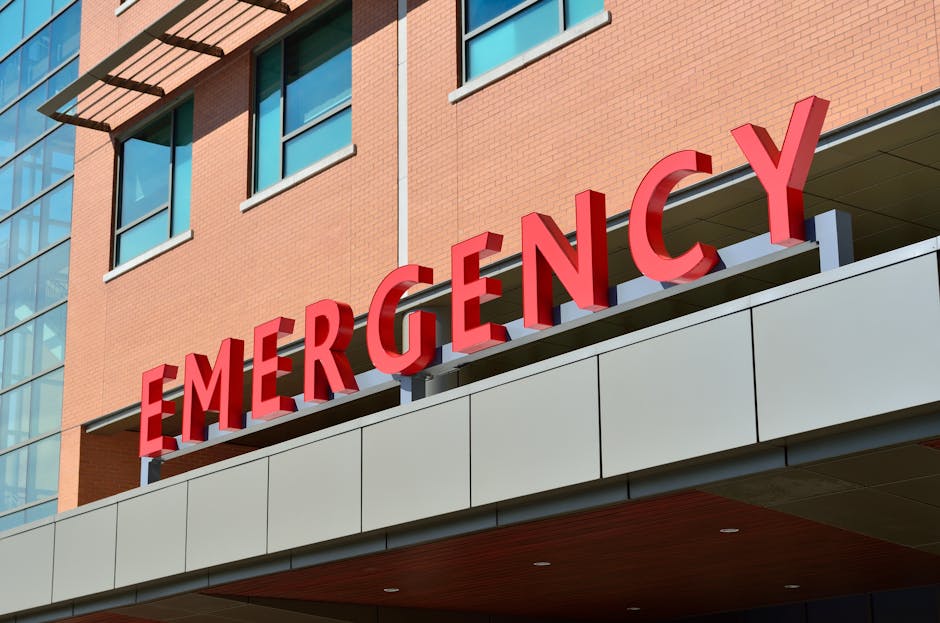
Opšta bolnica Kotor (General Hospital Kotor) is the main facility for emergencies and inpatient care. Full name: Opšta bolnica Kotor / General Hospital Kotor. Address: Dobrota bb, 85330 Kotor, Montenegro. Phone (switchboard): +382 32 331 200 (check locally). The hospital has a 24/7 emergency department for acute cases (chest pain, trauma, pregnancy complications, road accidents). Basic imaging services (radiology) provide X-rays, ultrasounds and routine lab work. If you need admission, bring your ID/passport, insurance card and be prepared to pay a deposit if you are a private patient.
Opening hours: Emergency Department 24/7. Specialist outpatient hours: usually Monday–Friday 08:00–16:00 (varies by department). Indicative prices: emergency admission isn’t charged differently for life-threatening situations, but administrative fees may range €20–50; specialist hospital consultations: €30–70; X-ray: €20–45; abdominal ultrasound: €35–70; daily hospitalization (shared room): €70–150/day, single room: €120–300/day (indicative, varies by procedure).
Practical tips: EU citizens can present their European Health Insurance Card (EHIC) for partial coverage, but check whether your insurer covers private care. If you require medical evacuation (for example a boat or helicopter transfer), contact your travel insurance — the hospital can help with arrangements but does not fund international evacuation.
2) Health centers (Dom zdravlja) & primary care — quick, recommended access
The local health center, Dom zdravlja Kotor (Health Center Kotor), is the recommended first stop for non-life-threatening issues: respiratory infections, pediatric care, prescriptions and chronic disease follow-up. Full name: Dom zdravlja Kotor / Health Center Kotor. Main address: Trg od Oružja 8, Stari Grad (Old Town), 85330 Kotor, Montenegro. Phone: +382 32 321 111 (confirm locally). The center offers general consultations, vaccination services, nursing care and preventive medicine.
Hours: generally Monday–Friday 07:00–19:00; Saturday 08:00–12:00; closed Sunday except for on-call services (pharmacy/standby). Fees: public medical consultation (for uninsured visitors): around €10–30; vaccinations (depending on vaccine): €15–60; dressings/injections: €5–20. Many European EHIC holders receive reduced rates or direct coverage on presentation of the card.
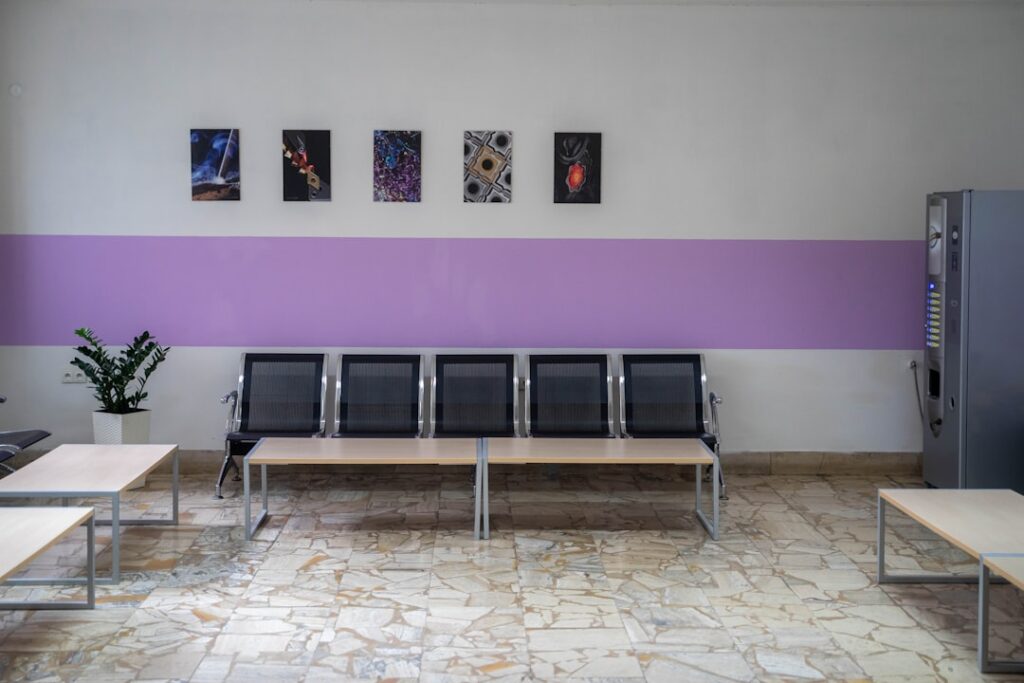
On the ground: the Dom zdravlja is often in a modest building close to the old town alleys. Doctors are used to tourist patients and frequently speak basic English. The atmosphere is functional: a waiting room, a small attached pharmacy and a notice board with the day’s doctors. For a visit, bring a list of your medications, your insurance card and a brief medical summary if you have one (history, allergies).
Local tip: during high season (July–August), avoid peak hours (09:00–11:00 and 16:00–18:00). If you’re exploring the Kotor Fjord and need a quick consultation, call ahead to book an appointment. English support is common; for Russian or French speakers you can request an interpreter at reception if necessary.
3) Private clinics, dentists & diagnostic centers — speed and quality
If you want fast, private care and often English-speaking staff, Kotor’s private clinics are a great option. Notable examples: « Kotor Medical Center – Poliklinika Kotor » (common trade name), approximate address: Dobrota 2, 85330 Kotor (verify locally), and « Dental Studio Kotor » / Dental Center Kotor, Address: Njegoševa 21, 85330 Kotor. These practices offer private consultations, specialized exams, cosmetic dental work and dental emergencies.
Typical hours: Monday–Saturday 08:00–20:00 (some clinics open 7 days a week in high season by appointment). Indicative prices: private medical consultation: €30–60; specialist appointment (cardiology, orthopedics): €50–120; initial dental exam: €30–50; simple filling: €40–80; tooth extraction: €50–150; ceramic crown: €300–600; dental implant: €700–1,200 (depending on materials). PCR/antigen tests: PCR €70–120, rapid antigen €25–50 (times and prices vary).
On the ground: private clinics often have modern facilities, digital imaging equipment and friendly multilingual staff. They’re a practical choice if you need a medical certificate in English for your cruise company, a PCR test before a flight or urgent dental care. Appointments can be made by phone or via local Facebook pages; some hotels have partnerships and can arrange bookings and transport.
Practical advice: always ask for a written estimate and a detailed receipt in English for your insurer. For complex pathology (surgical intervention), a private clinic will refer you to the regional hospital or to the Clinical Centre of Montenegro (Clinical Centre of Podgorica) for full treatment.
4) Pharmacies, labs and traveler services
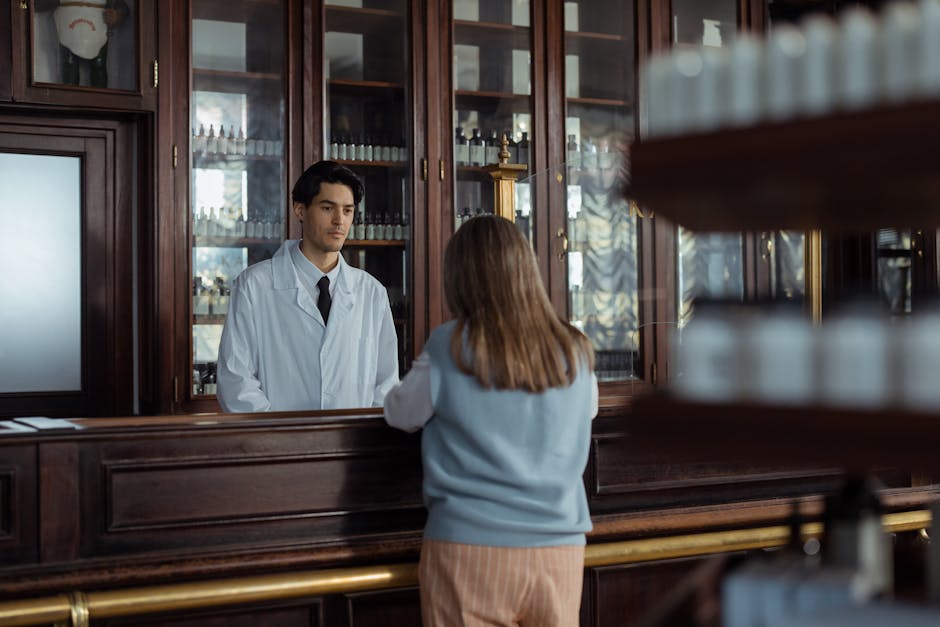
Pharmacies (apoteka) in Kotor are plentiful and convenient for buying medicines, dressings, sunscreen and first-aid items. Examples: Apoteka Boka Kotor — Address: Njegoševa 13, 85330 Kotor; Apoteka Sveti Nikola — Address: Dobrota 45, 85330 Kotor. Hours: several town pharmacies open 08:00–20:00; one or more pharmacies rotate 24/7 on-call duty (listed on the municipal board or official Kotor pages). Prices: OTC medicines: €1–30 depending on product; common painkillers (paracetamol/ibuprofen): €2–6; dressings, antiseptics: €2–20.
Analysis labs and imaging centers: Diagnostika Kotor / Laboratorija Kotor (local names vary) offer blood tests, microbiology tests and some cultures. Typical address: Dobrota 12, 85330 Kotor (verify locally). Hours: usually 07:00–15:00 on weekdays; some offer Saturday appointments. Prices: basic blood panel €10–30; PCR test €70–120; antigen test €25–50; PCR results in 24–48h (express 6–12h for an extra fee).
Local practical tips: keep both a paper and electronic copy of your prescriptions; most pharmacies require a prescription for antibiotics. For severe allergies, note that antihistamines and epinephrine auto-injectors may be harder to obtain without a prescription — consider bringing them from home if needed. For COVID-19 tests, compare price and turnaround times; some tourist-focused clinics deliver results in a few hours for a higher fee.
Conclusion — Prepare so you can enjoy Kotor with confidence
Preparing ahead on health matters is an important part of a successful trip to Kotor. Knowing the key facilities — Opšta bolnica Kotor for emergencies, Dom zdravlja Kotor for primary care, and private clinics for fast, multilingual service — significantly reduces stress if something unexpected happens. Note down local addresses and phone numbers, keep your passport and insurance cards handy, and photograph your European Health Insurance Card (EHIC) or international travel insurance. Prices in this guide are indicative and may vary by season, the severity of the condition and insurance status; always ask for a written estimate when possible.
For active travelers exploring the karst landscape, pay special attention to common hiking injuries (sprains, cuts) and dehydration: carry a basic first-aid kit, a water bottle and trail maps. If you go boating or do water sports, tell someone your plan and know that the local maritime rescue network can coordinate transfers to Kotor. Finally, clearly communicate your allergies, current treatments and medical history to caregivers; carrying a small medical file in English (and French if useful) can be very helpful.
In short: locate Opšta bolnica Kotor (Dobrota bb) for 24/7 emergencies, use Dom zdravlja Kotor (Trg od Oružja 8) for primary care, favor private clinics for speed and comfort, and keep pharmacies and labs in mind for tests and medications. With these contacts, addresses, hours and practical tips, you can enjoy Kotor’s cobbled streets, ramparts and bay sunsets knowing reliable medical options are accessible if you need them.