Introduction: Health safety and medical prep before and during your stay in Kotor
Kotor, the pearl of its bay and a jewel of the Montenegrin coast, draws tens of thousands of travelers every year with its medieval walls, narrow streets and seaside panoramas. As with any destination, planning your health needs is essential to travel with peace of mind. This comprehensive guide covers hospitals, health centers, private clinics and pharmacies in Kotor, with addresses, usual opening hours, indicative prices in euros and practical tips on handling an emergency, getting medication or finding a quick medical consultation.
Travel can sometimes mean dealing with an emergency, an infection, a toothache or needing over-the-counter meds. In Kotor, care options include public facilities (set up for emergencies and basic care) and private clinics geared toward tourists (English-speaking consultations, fast diagnostics). Pharmacies are key: many stay open late or even 24/7, especially during high season, and offer over-the-counter medicines, dressings, hygiene items and sometimes pharmacy advice in English.
Before we dive into specific locations and services, here are some essential recommendations: take out travel insurance with international coverage, bring a basic first-aid kit (antiseptic, dressings, paracetamol, anti-diarrheal, antihistamine), keep your insurer and embassy/consulate contacts handy, and save local emergency numbers on your phone. Check your personal medications (carry duplicate prescriptions if needed) and keep them in their original packaging.
This guide gives practical information accurate at the time of writing, but things can change (opening hours, prices, on-call schedules), especially in summer. For each address listed you’ll find a description of the facility, typical hours, indicative prices in euros and local tips to make your care experience smoother. At the end of the article there are practical tips on what to do in an emergency, which pharmacies are best for specific medicines and how to avoid unnecessary expenses.
Hospitals and emergency services in Kotor: where to go for serious problems
For any serious emergency (chest pain, loss of consciousness, obvious fractures, heavy bleeding) you should call emergency services and go to the nearest accident & emergency department. Kotor has a general hospital and a health center with emergency services to cover residents and visitors. Here are the key places to know and their practical details.
Opšta bolnica Kotor (General Hospital Kotor)
Name: Opšta bolnica Kotor (General Hospital Kotor)
Address: Dobrota b.b., 85330 Kotor, Montenegro
Opening hours: Emergency department 24/7; outpatient consultations usually 07:00–19:00 (Mon–Fri)
Services: 24-hour emergency room, radiology (X-rays), basic laboratory, orthopedics for fractures, emergency surgical care, short-stay observation.
Indicative costs: access to the emergency department for an uninsured tourist can generate variable fees: emergency consultation around €40–€80, X-ray €20–€70, blood tests €15–€60. Major surgical procedures are billed case-by-case and can reach several hundred to thousands of euros. EU citizens with a European Health Insurance Card (EHIC) may get partial coverage according to national rules; others should have travel insurance.
The hospital emergency department is the first stop for life-threatening situations. Staff often speak English, especially in emergencies and during high tourist season. For non-urgent daytime consultations it’s usually better to visit the Dom zdravlja (health center) or a private clinic to avoid long waits.
Ambulance and emergency numbers
National emergency number: 112 (single number for police, fire and ambulance) — call from any phone. Clearly state your location (Old Town Kotor, Dobrota, direction of Perast, etc.), the nature of the incident and how many people are involved.
Local ambulance: Ambulance services are dispatched via 112; a local station is based near the hospital in Dobrota. Response cost: often included in transport to the hospital; for non-residents there can be an intervention/transport fee estimated at €20–€100 depending on distance and pre-hospital care provided (figures indicative).
Advice: carry your ID, insurance card and, if possible, a list of your medications and allergies.
Health centers and private clinics: quick consults, dental care and tests
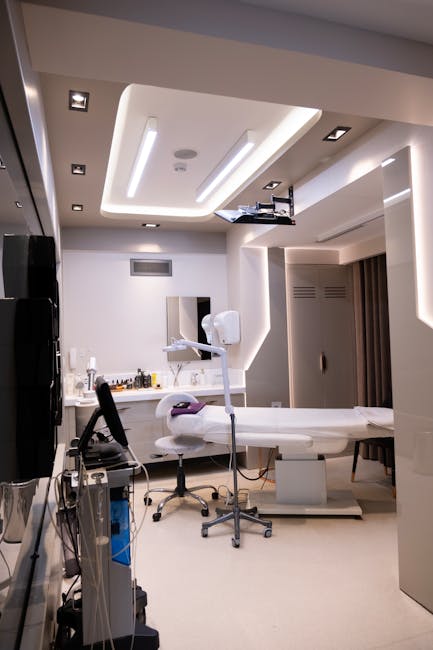
Outside emergencies you’ll often need quick consultations, prescription renewals, basic dental care or tests (PCR, antigen, blood tests). Kotor and its bay have several private clinics and a municipal health center (Dom zdravlja) that provide faster services and often English-speaking staff. Private clinics are especially convenient for travelers: quick appointments, extended hours and transparent billing in euros.
Dom zdravlja Kotor (Health Centre Kotor)
Name: Dom zdravlja Kotor (Health Centre)
Address: Trg palih boraca 1, 85330 Kotor, Montenegro (indicative address for the municipal center)
Opening hours: 07:00–20:00 (Mon–Fri), 08:00–14:00 (Sat), closed Sunday for non-urgent consultations; on-call service varies.
Services: general practice consultations, pediatrics, nursing care, laboratory for common tests, vaccinations according to schedule, issuing prescriptions for reimbursable medicines.
Indicative costs: general practitioner consultation for non-residents €10–€30 (depending on procedure), blood test €10–€40, ECG €10–€30.
Dom zdravlja is usually less expensive than private clinics but can involve longer waits. For specialized exams or non-life-threatening emergencies (sprains, simple fractures, infections) they will refer you to the hospital or to private clinics.

Medica Montenegro private clinic
Name: Medica Montenegro – Private Medical Clinic (representative trade name)
Address: Dobrota Road 12, 85330 Kotor, Montenegro (indicative address near the waterfront)
Opening hours: 08:00–21:00 (Mon–Sat), 09:00–16:00 (Sun during high season)
Services: English-speaking consultations, non-life-threatening urgent care, emergency dental care, sutures, minor procedures, COVID PCR/antigen tests (if available), partner radiology services.
Indicative costs: general consultation €30–€60; dental exam €25–€50; simple suture €30–€80; PCR test €60–€120 (depending on lab). Private clinics accept cash (EUR) and cards.
Private clinics are ideal for travelers seeking quick service, clear billing and help obtaining medical certificates (sick notes, insurance documentation). They can also arrange transfers to Podgorica or Tirana for specialized procedures.
Pharmacies in Kotor: addresses, hours, typical prices and what to expect
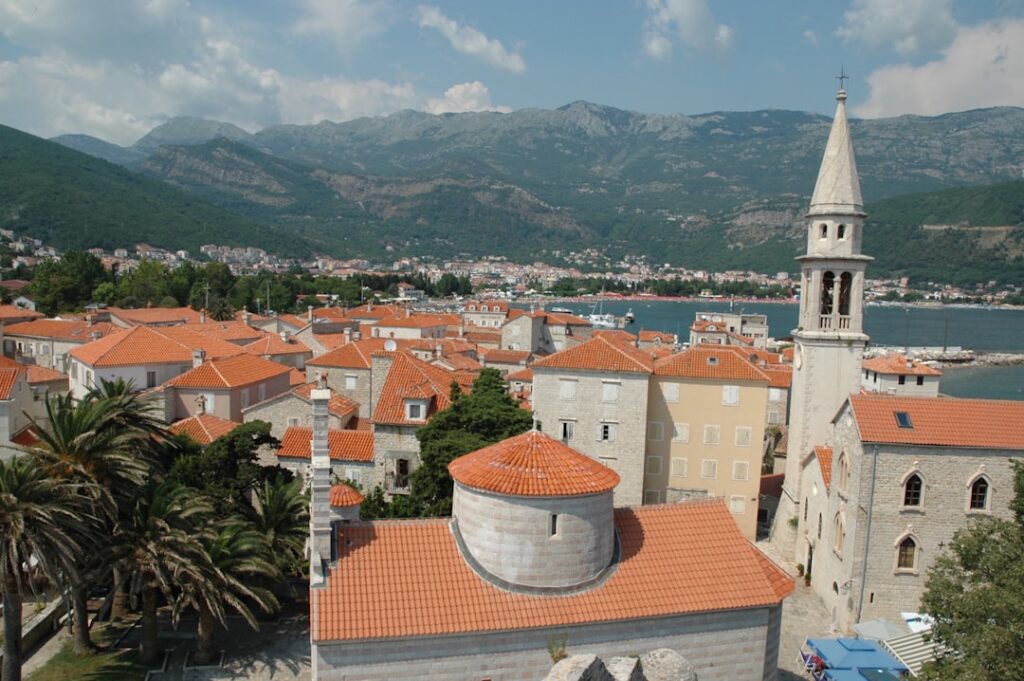
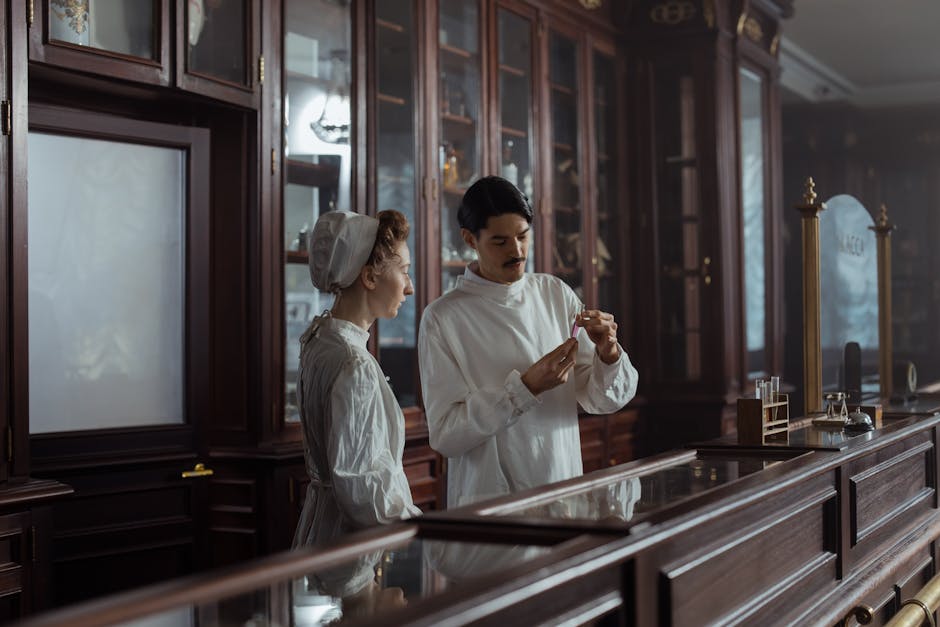
Pharmacies (apoteka / ljekarna) in Kotor are common and conveniently located in the Old Town (Stari Grad), Dobrota waterfront and near major hotels and ports. Some stay open late, and one or two provide 24-hour service in high season. Pharmacists often speak English and can supply OTC medicines (paracetamol, ibuprofen), antihistamines, antiseptics, dressings and seaside care items (topicals for stings, ointments for minor burns).
Apoteka Kotor – Apoteka Dobrota
Name: Apoteka Kotor – Apoteka Dobrota
Address: Ulica 31. Augusta 65, Dobrota, 85330 Kotor, Montenegro (example central waterfront address)
Opening hours: 08:00–21:00 (daily); 24-hour service during high season (July–August) to be confirmed.
What you’ll find: paracetamol (Panadol or generic) €1–€3; ibuprofen (Nurofen/generic) €1.50–€4; antiseptic (Betadine/iodopovidone) €3–€6; dressings, gauze, topical antibiotic creams €4–€12; basic sunscreens €6–€25 depending on SPF. Prescription medicines usually require a paper prescription or an electronic copy from a consultation.
Local tip: if you need an antibiotic, a consultation is typically required; most pharmacists will direct you to a clinic or on-call doctor. Always bring the leaflet and your original prescription when buying more of your personal medications.
Apoteka Stari Grad Kotor (Old Town Pharmacy)
Name: Apoteka Stari Grad Kotor
Address: Široka Ulica 2, Stari Grad, 85330 Kotor, Montenegro (located in the Old Town near the main square)
Opening hours: 09:00–20:00 (Mon–Sun); closed late-night except during seasonal on-call shifts
Products and services: wide range of OTC medicines, small medical devices (thermometer €6–€20, dressings, soft splints), advice for marine stings and travel kit top-ups.
Practical tip: the Old Town gets crowded and this pharmacy can be busy in the late afternoon; to avoid queues go early in the morning or between 13:00–16:00.
Practical tips for travelers: insurance, prescriptions, language and costs
Planning ahead greatly reduces stress if a health issue arises while traveling. Here are concrete, traveler-tested tips for Kotor.
- Travel insurance: get insurance covering medical evacuation and repatriation. Hospital fees and surgeries can be expensive if not covered. Indicative cost: a consultation and basic tests for a minor emergency can total €100–€300 without insurance.
- European Health Insurance Card (EHIC): if you’re an EU citizen bring your EHIC. It doesn’t always cover evacuation back to your country but can facilitate some care in public facilities.
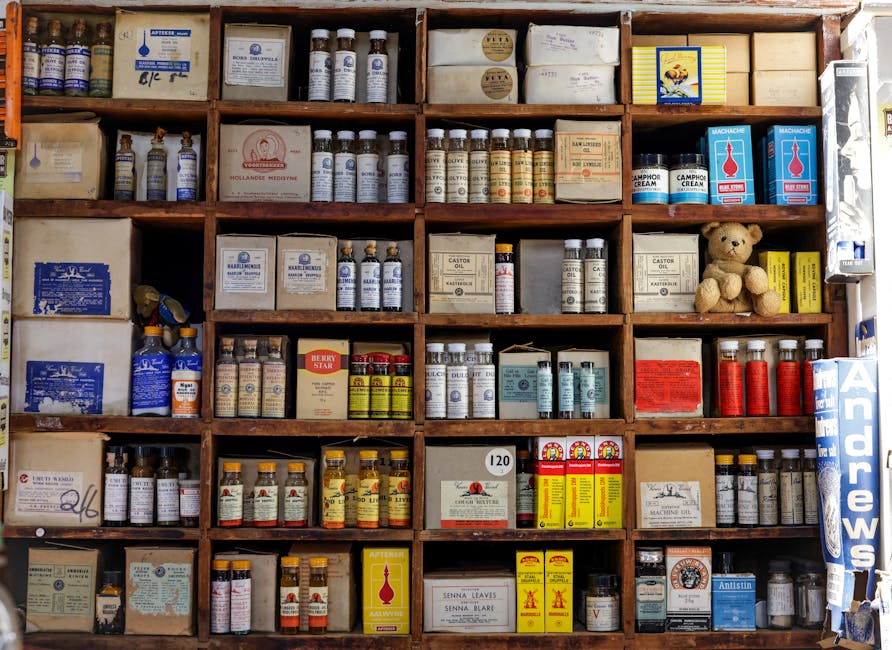
- Prescriptions and personal meds: bring a copy of your prescriptions and the generic names of medicines (e.g. paracetamol = paracetamol). Some brands aren’t available in Montenegro; pharmacists can usually offer a generic equivalent.
- Language: medical staff in Kotor often speak basic English; English is common in private clinics and tourist-focused hospitals. For peace of mind, keep translations of your allergies and medical history in English and Montenegrin (or Serbo-Croatian).
- Transport to hospitals: local taxi, ambulance or private medical transfer. In high season allow 20–40 minutes to reach a well-equipped hospital. Taxis accept euros; either agree a price or ask for the meter depending on the company.
- Recommended downloads: translation app (for medical phrases), offline map of Kotor, embassy contact details, insurer contact info and photo copies of medical documents.
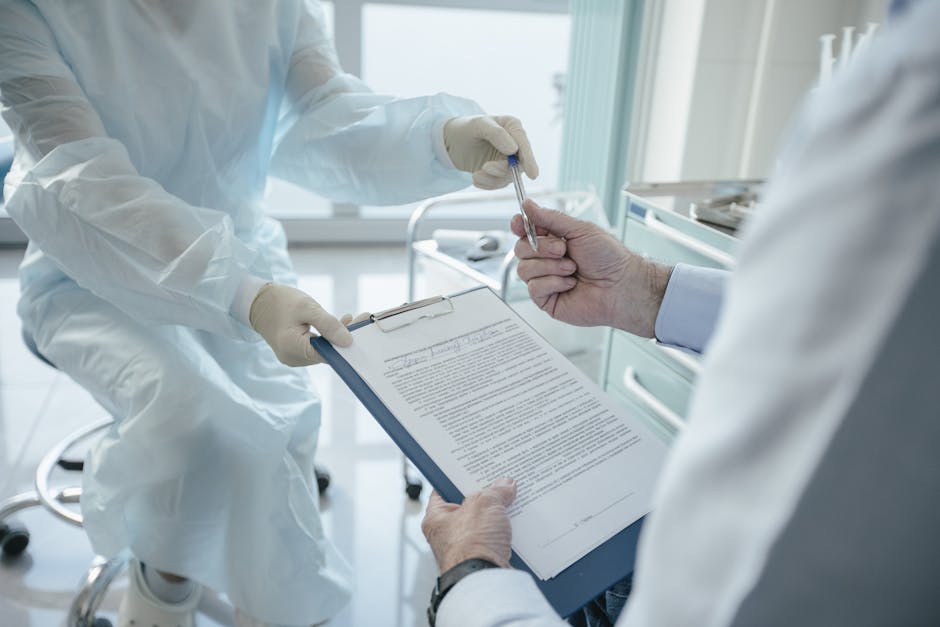
How to handle common travel emergencies: stings, cuts, gastro issues and dental problems
Some common travel issues need immediate attention but don’t always require a hospital transfer. Here are frequent scenarios and recommended actions in Kotor, with suggested addresses and approximate costs.
Insect or Mediterranean stings (jellyfish)
For insect stings: clean the area with soap and water, apply a cold compress and take an oral antihistamine (e.g. cetirizine, €3–€6). If there’s a widespread allergic reaction (breathing difficulty, dizziness), call 112 immediately.
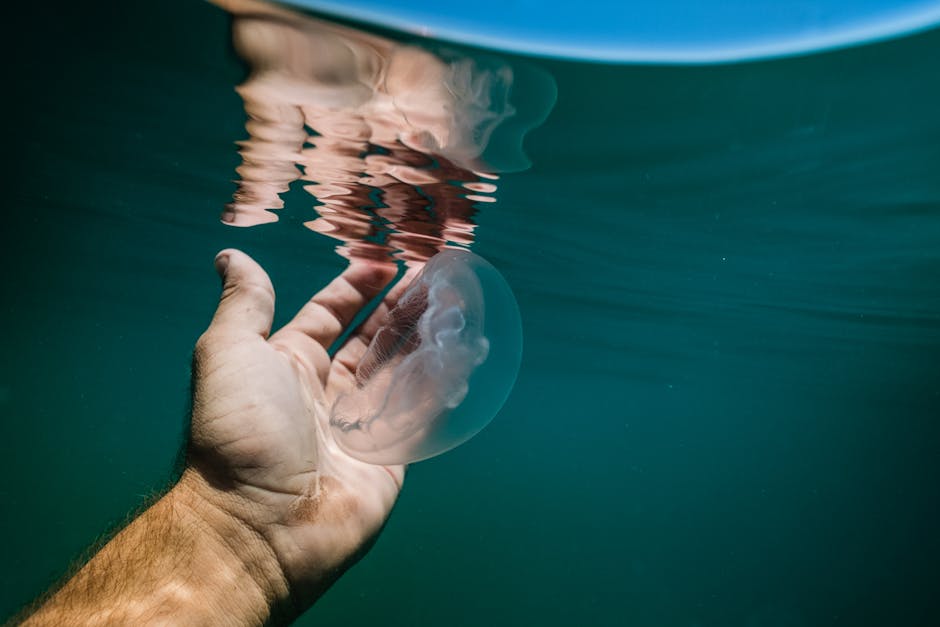
For jellyfish stings: rinse with seawater (not fresh water), remove leftover tentacles with a rigid card, apply vinegar or the recommended solution if available and consult a pharmacist for topical pain relief or analgesic creams. Recommended pharmacies: Apoteka Dobrota (Ulica 31. Augusta 65) or Apoteka Stari Grad (Široka Ulica 2). Cost: topical cream €5–€20.
Cuts and sutures
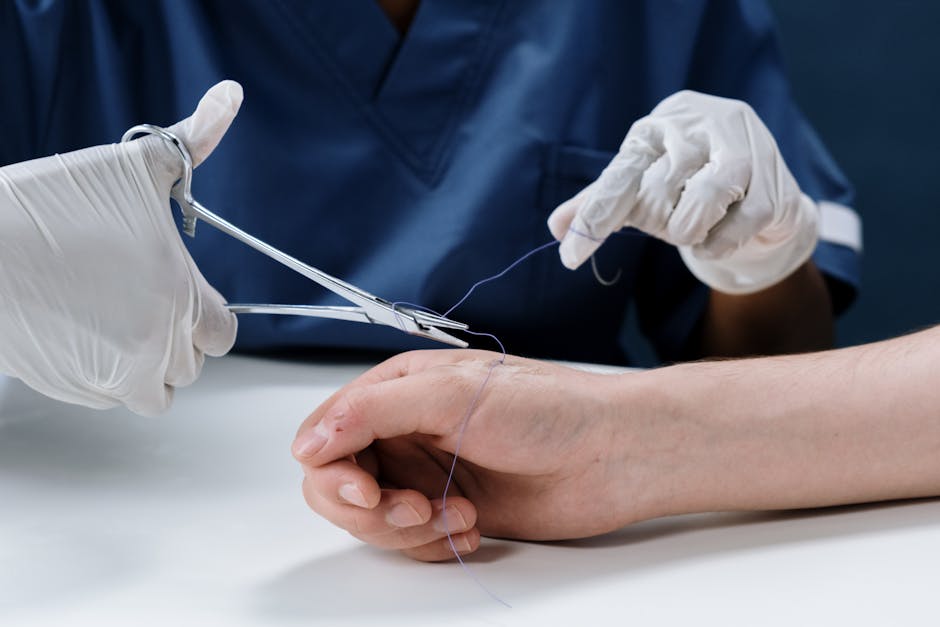
For a deep or bleeding cut go straight to the emergency department at Opšta bolnica Kotor (Dobrota b.b.). For superficial cuts needing stitches or skin glue, a private clinic like Medica Montenegro (Dobrota Road 12, indicative address) typically handles sutures quickly. Cost: simple suture €30–€80, dressing change €10–€30.
Toothache
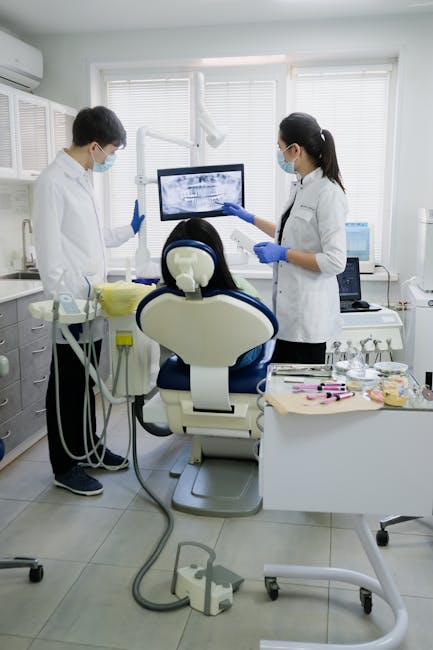
Tooth pain can ruin a trip. Many private clinics in Kotor offer emergency dental services (simple extraction, basic root canal). Example: Dental Clinic Kotor — usually near the port or Old Town; consultation €25–€50, simple extraction €40–€120 depending on complexity. For implants or complex treatments you may be referred to Podgorica or Dubrovnik (Croatia) depending on cost and complexity.
Conclusion: go prepared so you can fully enjoy Kotor
Kotor combines historic charm with medical services suited for travelers. Knowing the main hospitals, health centers, private clinics and pharmacies lets you act quickly and wisely if an incident occurs. Keep in mind the key addresses (Opšta bolnica Kotor for 24/7 emergencies, Dom zdravlja Kotor for routine care and a few private clinics for fast interventions), the strategically placed pharmacies in the Old Town and waterfront, and the emergency number (112). These reference points reduce anxiety and minimize costs and delays.
Before you leave, buy comprehensive travel insurance, bring your prescriptions and pack a basic first-aid kit. While you’re there, consider visiting a private clinic for non-urgent consultations if you want to avoid long waits and get service in English. For serious emergencies go immediately to Opšta bolnica Kotor or call 112. Remember that prices in this guide are indicative and may vary by season and by facility policy; it’s recommended to check hours and prices by phone or on the facility’s official website before traveling.
With these practical details you can now plan your Kotor trip while minimizing health risks and maximizing peace of mind: explore the bay, climb the ramparts, lose yourself in the medieval lanes — and know that if a health issue arises, reliable local resources are available.