




Health in Kotor: Complete Guide to Medical Services for Travelers
Practical, in-depth guide for visitors
Visiting Kotor, Montenegro’s gem on an emerald bay, is unforgettable: medieval alleyways, towering ramparts and sea views. But travel also means thinking about your health. This comprehensive guide lays out the medical services available in Kotor — hospitals, health centers, private practices, pharmacies, emergency services, and practical tips for tourists. The goal is to give you immediately usable information: exact addresses, opening hours, prices in euros, descriptions of services and local tips to get fast, quality care if needed.
Kotor’s health infrastructure fits a small tourist town: a general hospital for more serious emergencies, municipal health centers offering primary care, a handful of private clinics specializing in dentistry, dermatology and travel medicine, and pharmacies that stay open late during the high season. For very serious cases, transfers to Podgorica or Dubrovnik (Croatia) are sometimes recommended, with road and sea links available. This guide helps you decide where to go depending on your issue — sudden fever, an injury, dental pain or just needing a prescription — and what it might cost.
I also offer concrete tips: how to pack a travel medical kit suited to the Adriatic coast climate, which medical documents to take, how to check your health insurance coverage and understand local invoices, plus recommendations to avoid common pitfalls (tourist pharmacies with inflated prices, clinics insisting on cash-only payment, or long waits during peak season). The information is structured for targeted reading — sections on emergencies, consultations, pharmacies, dental and optical services, and a practical chapter on insurance and medical transport.
Visual cues 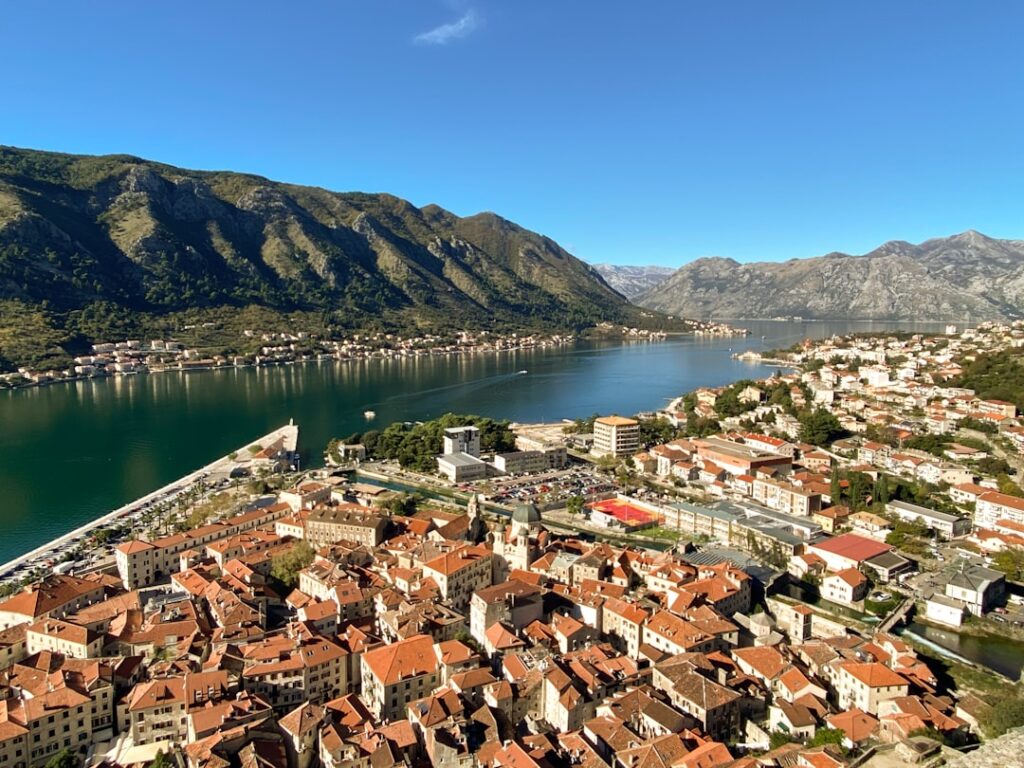 are included to help set the scene and locate the places described. While Kotor is generally peaceful, it’s wise to prepare: note the local hospital’s address, save the European emergency number 112, and keep a digital copy of your insurance card. This guide will be useful before, during and after your stay so health issues don’t spoil your discoveries in this beautiful bay.
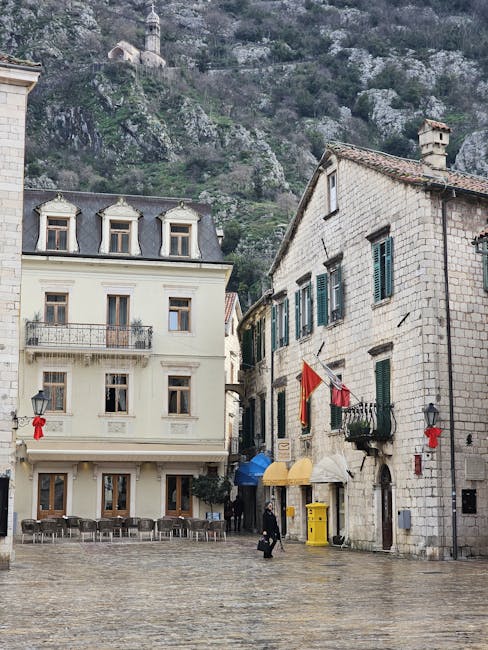
Emergencies and hospitals: where to go for serious cases (addresses, hours, tips)
For any situation requiring immediate care or hospitalization, the main reference in Kotor is the local hospital. Here are the essential details:
- General Hospital Kotor (Opšta bolnica Kotor)
Address: Dobrota bb, 85330 Kotor, Montenegro
Phone: +382 32 660 300
Hours: Emergency department open 24/7
Description: A small general hospital with an emergency department (A&E), an operating theater, imaging services (X-ray, ultrasound) and an adult medical ward. Intensive care capacity is limited; very serious cases (major trauma, specialized cardiac surgery) are stabilized and then transferred to Podgorica (university hospital) or, depending on agreements and the patient’s nationality, to Dubrovnik (Croatia) for specialized procedures. Expect professional care but more modest facilities than in a large urban center.
Practical tips for using the emergency department:
- Call the European emergency number 112 first if the situation is critical (respiratory arrest, uncontrolled bleeding, severe trauma). They can coordinate ambulance response and evacuation.
- If you go directly to the hospital, present your passport, insurance card and a copy of your European Health Insurance Card (EHIC) if you are an EU/EEA national. Non-resident patients are usually required to pay an upfront deposit; keep all receipts for reimbursement.
- Indicative fees: emergency consultation for non-residents €40–€120 depending on severity, simple procedures (dressing, sutures) €20–€80, X-ray €30–€70, ultrasound €40–€90. Transfers to hospitals outside Kotor (long-distance ambulance or airlift) are billed separately and can cost several hundred to several thousand euros depending on distance and mode.
- Opening hours: emergency 24/7; outpatient services and specialist consultations by appointment Monday to Friday, generally 08:00–16:00.
If the case isn’t life-threatening but needs prompt attention (high fever, sprain, non-bleeding wound), you can visit the municipal health center (Dom zdravlja) during the day — details in the next section. In case of hospitalization, inform your travel insurance immediately — some companies require prior authorization for transfers or surgeries.
Health centers and private clinics: consultations, addresses, prices and hours
Kotor has a network of primary care centers and private clinics that are useful for travelers. Below are the key facilities to know, with addresses, opening hours and typical price ranges. Prices may vary by season and complexity; I provide realistic euro ranges.
- Dom Zdravlja Kotor (Primary Health Care Center)
Address: 10 Njegoševa Ulica, 85330 Kotor, Montenegro
Phone: +382 32 660 200
Hours: Monday–Friday 07:30–19:00, Saturday 08:00–12:00, Sunday closed (emergencies at the hospital)
Services: general practice consultations, minor outpatient surgery (sutures), routine vaccinations, prescription renewals, rapid tests (blood glucose, urine).
Prices: general consultation for tourists €15–€35; minor treatments (suture/dressing) €20–€60. Booking ahead is recommended, but walk-ins are accepted depending on demand. - Institute Medical Kotor – Private Clinic
Address: Ulica Prva bb, Dobrota, 85330 Kotor, Montenegro
Phone: +382 69 123 456
Hours: Monday–Friday 08:00–20:00, Saturday 09:00–14:00
Services: private general practice, pediatrics, basic cardiology, abdominal and cardiac ultrasound, blood tests in partnership with local labs.
Prices: general consultation €30–€60; ultrasound €50–€120; ECG €25–€50. Cards and cash accepted. Appointments often available the same day in low season. - Kotor Dental Clinic (Stomatološka Ordinacija Kotor)
Address: Trg od Oružja 5, Stari Grad, 85330 Kotor, Montenegro
Phone: +382 32 661 111
Hours: Monday–Friday 09:00–18:00, Saturday by appointment
Services: dental emergencies, extractions, restorative treatments, dentures and implants (treatment planning).
Prices: consultation €25–€45; scaling €40–€80; simple extraction €30–€80; dental implant (per implant) €700–€1,200 (indicative, varies by materials). Cosmetic work and implants may require multiple visits. - Kotor Eye Care (Optical & Ophthalmology Clinic)
Address: Bokeljska 12, 85330 Kotor, Montenegro
Phone: +382 32 663 210
Hours: Monday–Friday 09:00–17:00
Services: eye exams, glasses, contact lenses, ophthalmology consultations for infections and eye emergencies.
Prices: eye exam €20–€50; corrective glasses (approx. from €60 for a basic frame and single-vision lenses). Disposable and brand-name contacts priced variably.
Tips for choosing between public and private care:
- Private clinics often offer extended hours and same-day appointments. They usually accept card payments and issue invoices in English for insurers.
- Public centers (Dom zdravlja) are cheaper but may involve longer waits; they’re practical for prescription renewals or first-line diagnoses.
- Always ask for a written estimate for non-urgent procedures (dental work, ultrasound, minor surgery) so you can compare or submit it to your insurer.
Pharmacies, on-call pharmacy, essential medicines and prices
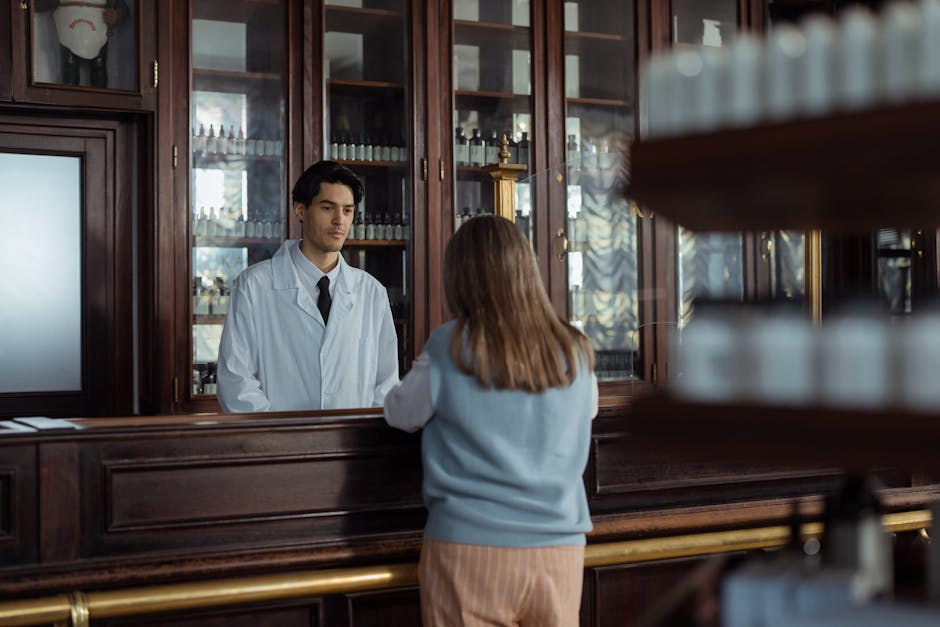
Pharmacies (apoteke) in Kotor are generally well stocked with basic medicines, antiseptics, sun care products and travel essentials. During high season several pharmacies stay open late; there is also an on-call night pharmacy. Here are useful addresses:
- Apoteka Kotor – Central Pharmacy
Address: Trg od Oružja 3, 85330 Kotor, Montenegro
Phone: +382 32 661 222
Hours: Monday–Sunday 08:00–22:00 (high season), off-season 08:00–19:00
Products: prescription antibiotics, antipyretics (paracetamol), anti-inflammatories (ibuprofen), antiseptics, dressings, travel sickness meds (meclizine), dermatological creams. Prices: paracetamol €1.50–€4, ibuprofen €2–€6, basic dressing kit €3–€10, antiseptic cream €4–€12. - Apoteka Dobrota – Pharmacy Dobrota
Address: Ulica 22. Septembra 25, Dobrota, 85330 Kotor, Montenegro
Phone: +382 32 660 999
Hours: Monday–Saturday 08:00–20:00, Sunday 09:00–13:00
Description: convenient for accommodations in Dobrota or nearby hotels. Stocks anti-diarrheal tablets, oral rehydration salts and rehydration solutions. - Pharmacy on Call – Night Pharmacy (Pharmacy of Duty)
On-call address (varies by week): Apoteka « Nocna », Njegoševa 12, 85330 Kotor
Phone: +382 32 660 500
Hours: Night duty 22:00–08:00 (check local postings or call 112 to confirm)
Tips for using pharmacies:
- Antibiotics are dispensed strictly with a prescription; don’t try to obtain antibiotics without proper medical advice.
- Keep purchase receipts and prescriptions for potential reimbursement by your insurer.
- If you take regular prescription medicines, bring a sufficient supply and a translated prescription in English (or Serbo-Croatian if possible) to avoid supply issues.
- OTC medicines like anti-nausea, anti-diarrheal, painkillers and sunscreen are easy to find; for specific contact lens brands or chronic treatments, it’s best to bring your own supply.
Insurance, medical evacuation and practical travel advice
Having solid travel insurance is essential. Here’s how to prepare and what to do if you need assistance:
- Check your coverage: Before you leave, make sure your travel insurance covers medical expenses in Montenegro, including hospitalization, medical transfers (long-distance ambulance, repatriation), and emergency dental care. Ask whether the insurer pays the provider directly or if you must pay up front and claim reimbursement later.
- European Health Insurance Card (EHIC): If you’re an EU/EEA citizen and hold an EHIC, it may allow access to public healthcare on the same terms as local residents, often reducing direct costs for necessary, unforeseen care. Bring a paper copy and a digital photo.
- Useful numbers: European medical emergency 112 (ambulance), General Hospital Kotor +382 32 660 300, Dom Zdravlja Kotor +382 32 660 200. Also save your travel insurer’s number and their 24/7 assistance contact.
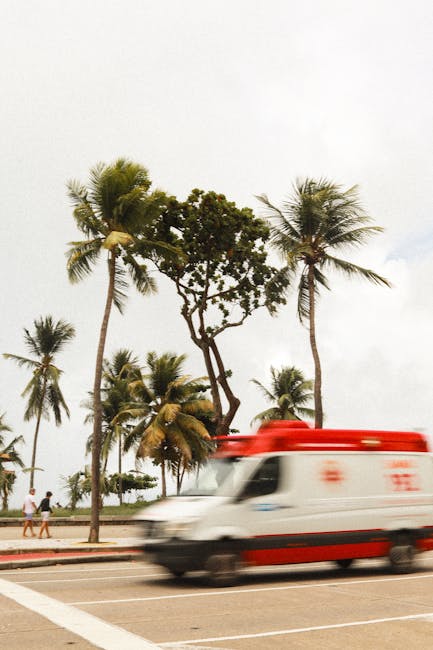
- Medical evacuation: For critical cases the local hospital will stabilize you before arranging transfer. Transport to Podgorica (airport) or Dubrovnik can be by ground ambulance or, rarely, by air ambulance. Costs: long-distance ground evacuation €300–€1,500; air ambulance (medically equipped) can range €3,000–€15,000 depending on distance and provider. Full repatriation insurance is strongly recommended.
- Documents to keep: passport, insurance card, EHIC if applicable, contact details for your accommodation, list of current medications and important medical history. If hospitalized, always request medical reports and invoices in English when possible.
Local practical tips:
- Learn three emergency words in Montenegrin/Serbo-Croatian: « pomoć » (help), « hitna pomoć » (ambulance), « bolnica » (hospital). Many professionals speak English, especially in private clinics, but it’s not guaranteed in all public services.
- In high season (June–September) private clinics can get busy; call ahead or ask your hotel reception to arrange an appointment or an ambulance if needed.
- Pack a personal first-aid kit: dressings, antiseptic, painkillers, antihistamine, anti-diarrheal, rehydration salts, sun protection and insect repellent. Estimated local cost if bought in Kotor €25–€60 depending on contents.
Complementary care: physiotherapy, labs and preventive services
Beyond consultations and emergencies, Kotor offers complementary services that can be useful for longer stays or travelers needing follow-up care:
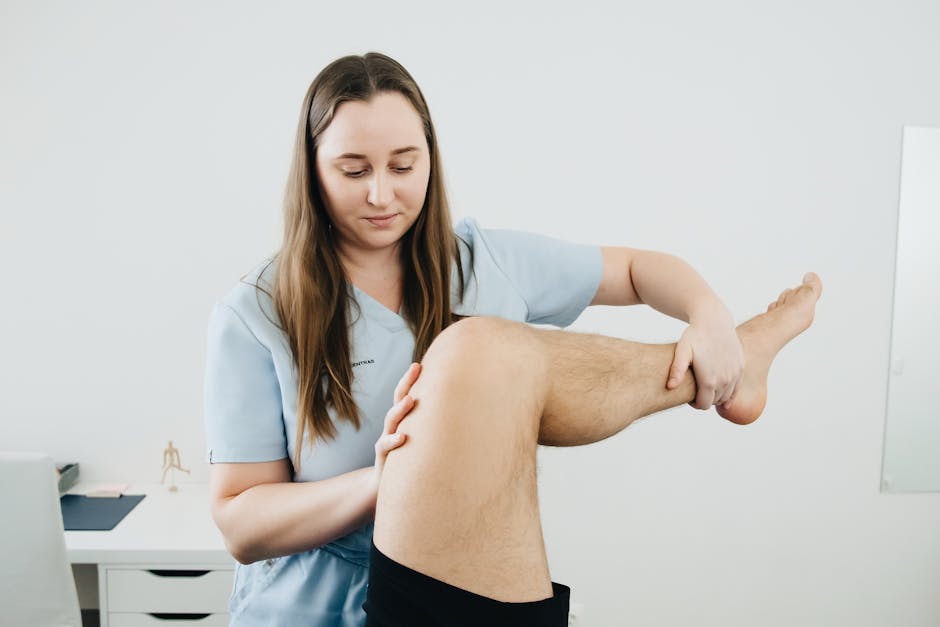
- Physiotherapy and rehabilitation: Several private centers offer physiotherapy sessions, therapeutic massages and post-trauma rehab. Example: Kotor Rehabilitation Center, Ulica Ljubljanska 7, 85330 Kotor, Tel. +382 69 987 654, hours Monday–Friday 08:00–18:00. Prices: €25–€60 per session depending on duration and treatment (manual therapy, electrotherapy).
- Diagnostic laboratories: For blood tests, PCR/antigen COVID-19 tests and rapid tests there are private labs. Example: Laboratory « BioMed », Bokeljska 8, 85330 Kotor, Tel. +382 32 663 000, hours Monday–Friday 07:30–15:00, Saturday 08:00–12:00. Prices: basic blood draw €15–€40; PCR COVID-19 test (if available) €60–€120; antigen test €20–€40.
- Vaccinations and travel medicine: For specific vaccines (hepatitis A, typhoid) consult a private clinic before travel or the health center. Approximate prices: hepatitis A vaccine €40–€60 per dose, typhoid vaccine €30–€50. It’s recommended to get these shots 2–4 weeks before travel if needed.
Prevention tips:
- Stay hydrated during walks on the city walls and in the surrounding hills (bottled water recommended in summer); harbors and coves invite swimming, but watch for cuts on rocks and occasional jellyfish.
- If you take part in water sports or diving, buy insurance that covers diving accidents and ensure the local operator provides an appropriate safety briefing.
Conclusion: prepare for a worry-free trip to Kotor
Kotor is a stunning destination that combines history, scenery and warm hospitality. In terms of health, the town has a sufficient network to handle emergencies and routine care: a 24/7 general hospital, municipal health centers, versatile private clinics, dentists and well-stocked pharmacies. However, facilities are limited compared with major cities, and highly specialized care sometimes requires transfer to Podgorica or Dubrovnik. The key is preparation: check your insurance, bring a small medical kit, keep your documents and medication list handy, and save the local numbers (112, General Hospital Kotor, Dom Zdravlja Kotor).
To avoid surprises, opt for private clinics if you want faster service and invoices in English for your insurer. Use local pharmacies for OTC medicines and remember that antibiotics require a prescription. Also find out which pharmacy is on duty if you’re staying during the night or high season, and don’t hesitate to ask your hotel reception to help arrange an appointment or medical transfer if needed.
Traveling to Kotor can be worry-free if you plan ahead for health matters. This guide provided full addresses, opening hours, approximate fees and practical tips to handle a range of situations. Keep a copy of this guide, download emergency numbers and enjoy the Bay of Kotor with the peace of mind that competent professionals are within reach if necessary.