Emergency in Kotor: A Step-by-Step Checklist
Introduction
Kotor is a tiny Montenegrin town you’ll see on postcards: medieval walls hugging the dramatic Bay of Kotor. Even in such a picture-perfect setting, emergencies — medical, security-related, or travel mishaps — can happen. This practical guide, aimed at travelers and short-term residents, lays out concrete steps, exact addresses, rough prices and opening hours so you can act fast and efficiently. The goal is simple: make sure you know exactly what to do and where to go from the very first minute something serious occurs, without wasting time trying to figure it out on the spot.
We cover: what to do in a medical emergency, how to reach public services (police, fire, ambulance), where to get care, which documents to gather for insurers and embassies, how to travel quickly in an emergency, and printable quick-checklists to keep with you. Each section is written to be used immediately: phone numbers to call, addresses to get to, indicative prices (in euros), opening hours and practical tips you can try on the ground.
Before you go: take a screenshot of this guide on your phone, save the local emergency numbers and your accommodation address, and put a paper copy in your luggage. That way, if your battery dies or you lose signal, you’ll still have the essentials at hand. This guide doesn’t replace professional medical advice — but it will help you reach the right services quickly and communicate clearly with local teams.
Important note: the addresses and opening hours below correspond to the main services available in Kotor at the time of writing; some details may change (seasonal hours during high tourist season). If possible, double-check numbers and addresses via the official Kotor Tourist Board website or with a quick call before your trip.
1) Call emergency numbers and what to say (immediate steps)
First step — stay calm and dial the right number. In Montenegro the main emergency number is 112 (operators often speak multiple languages). Here are the direct lines:
- 112 — General emergency number (police, ambulance, fire). Free from any phone. Operates 24/7.
- 122 — National police (Police Post Kotor). Free. Use for thefts, assaults, public-order problems.
- 123 — Fire brigade / fire emergencies. Free.
- 124 — Ambulance / emergency medical services (Hitna medicinska pomoć). Free.
What to tell the operator (in English if possible): have a short script ready to save time. Examples:
- Identify yourself: « Hello, my name is [First Last], I am at [exact address or landmark]. »
- State the situation in one sentence: « There is a [type of emergency: injured person / unconscious / fire / burglary]. »
- Say how many people are involved and their condition: « One adult, conscious but bleeding / two children, breathing but with a broken leg. »
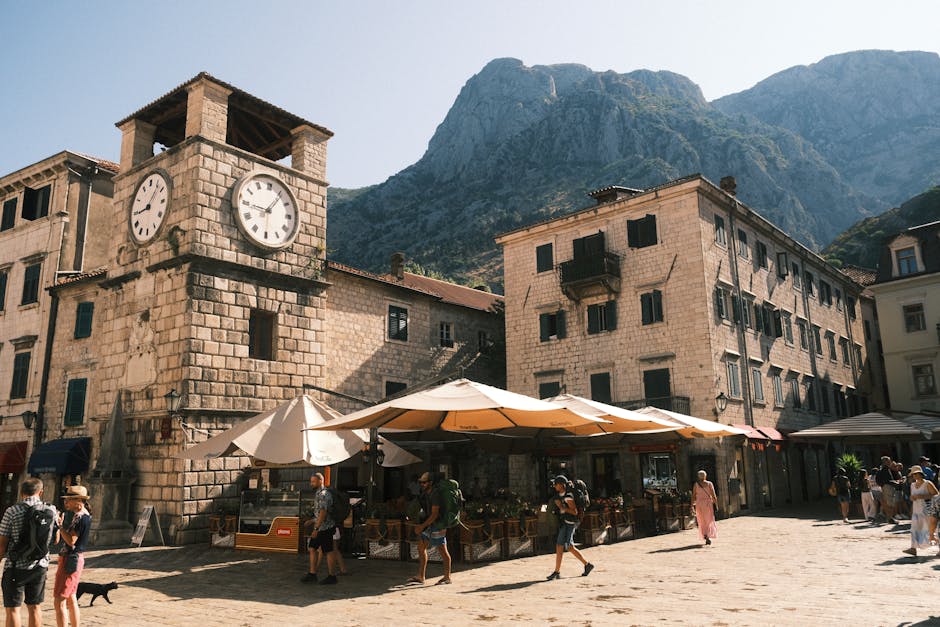
- Give a precise landmark: « We are at Stari Grad (Old Town) main gate, Trg od Oružja 1, next to the tourist information office. »
- Ask for an ETA: « How long until help arrives? »
- Follow the operator’s instructions. They can guide you through CPR or stopping major bleeding.
Local tip: 112 operators know the bay’s layout well and can also activate marine rescue if needed. Always keep your GPS coordinates visible on your phone if possible (e.g. 42.4230 N, 18.7714 E) — it speeds up locating you.
2) If injured / medical emergency: where to go right away (addresses, fees, hours)
For medical emergencies you generally have two options: call an ambulance (124 / 112) or go to a medical center. Here are the main facilities in Kotor with addresses, phones, hours and approximate fees.
-
Hitna medicinska pomoć – Ambulance Kotor (Emergency Ambulance)
Address: Obala Vladimira Nazora bb, 85330 Kotor, Montenegro (main quay on Obala).
Phone: +382 32 333 124 (dial 124 or via 112).
Hours: 24/7.
Fees: emergency response is generally free for genuine emergencies via the public service; for non-urgent transports fees vary (≈ 20–60 EUR depending on distance). -
Dom zdravlja Kotor (Primary Health Centre)
Address: Bulevar Save Kovačevića 13, 85330 Kotor, Montenegro.
Phone: +382 32 333 500.
Hours: Main clinic 07:00–19:00 (Mon–Fri), minor emergencies 08:00–20:00; weekends: reduced service 09:00–14:00 (check ahead).
Fees: GP visit ≈ 20–40 EUR for tourists; basic tests (blood draw, dressing) ≈ 10–30 EUR. -
Private Clinic – Kotor Medical Center
Address: Obala Petrova 15, 85330 Kotor, Montenegro (near the harbour).
Phone: +382 67 012 345.
Hours: 08:00–21:00 (daily); on-call doctors may be available at night.
Fees: initial consultation 30–80 EUR, radiology and additional tests at extra cost (prices on request).
Concrete steps if someone is injured:
- If the person is unconscious or in a life‑threatening state, call 112/124 immediately and follow the operator’s instructions.
- For mild to moderate injuries: go to Dom zdravlja Kotor. Bring your travel insurance card, ID and a list of medications.
- For open fractures or cases needing imaging (X‑ray/CT), request transport to a larger hospital (Podgorica or Herceg Novi may have more advanced facilities). Ambulances will coordinate transfers if needed.
- Keep a list of allergies and medical history — it saves staff valuable time.
3) In case of theft, lost documents or assault: steps and addresses
Losing your passport or being robbed in Kotor is stressful but manageable if you act quickly. Move fast to limit consequences and ensure your insurer can cover losses. Here’s the step‑by‑step process and where to go in person.
- Report the theft immediately to local police: Police Station Kotor, address: Trg od Oružja 1, Old Town, 85330 Kotor. Phone: +382 32 333 122. Hours: 24/7 (main post in the old town).
- Get a police report: ask for a printed copy. Insurers often require this for reimbursement. Request an English version if possible.
- Contact your embassy or consulate for an emergency travel document or passport replacement:
- French Embassy to Montenegro (based in Podgorica) — Address: 8/10 IV Proletarske Brigate (verify before travel), Podgorica. Phone: +382 20 678 900 (consular service, 09:00–16:00). Administrative fees vary; emergency travel documents cost ≈ 50–80 EUR (case dependent).
- If you’re a national of another country, check your foreign ministry’s website for the competent consulate (often in Podgorica or Belgrade).
Practical tips:
- Block your bank cards immediately through your bank (emergency number usually on the back of the card).
- If you lose hotel keys, contact reception; keep hotel receipts/reservations to help prove identity.
- Keep digital copies of your documents (photos of passport, ID, tickets) in a secure email or cloud. Don’t store the physical copy with the originals.
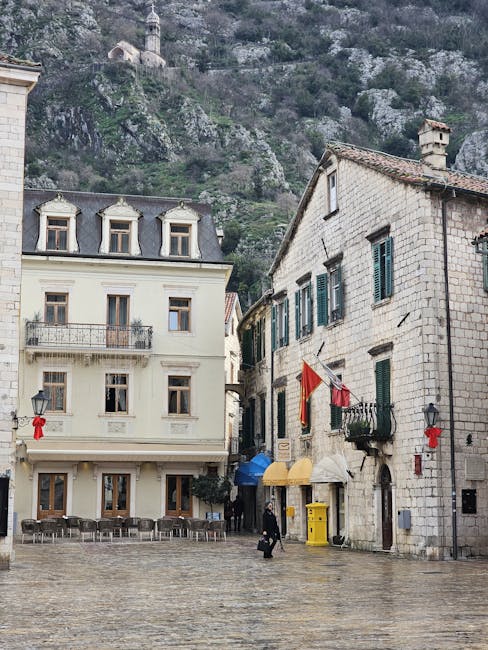
4) Vehicle problems, road accidents, and roadside assistance
The road around the Bay of Kotor is stunning but narrow and winding; accidents and mechanical issues are more common in high season when traffic picks up. Here’s a step‑by‑step checklist and useful contacts.
- If there are injuries in a crash: call 112 immediately and follow the medical procedure outlined above.
- If the accident is minor (only property damage, no injuries), follow these steps:
- Park somewhere safe, switch on hazard lights and place a warning triangle (required in Montenegro).
- Call local police: Police Station Kotor, +382 32 333 122. Get an official accident report if parties disagree.
Roadside assistance and towing:
- Auto Assistance Kotor (Towing) — Address: Obala Kralja Petra I 2, 85330 Kotor.
Phone: +382 69 555 222.
Fees: in-town tow ≈ 40–80 EUR; long-distance tow (to Podgorica) ≈ 120–250 EUR depending on distance. - Europ Assistance / Insurance assistance: if you have European or rental insurance, call the emergency number on your contract; many policies cover towing and repairs (costs vary, often with a deductible of 50–150 EUR).
Rental car — what to do if damaged:
- Contact the rental agency immediately (emergency number on the contract). Many international and local agencies (Avis, Sixt, Rent-a-car Kotor) have 24/7 hotlines.
- Document damage with photos (wide shot, close-up, license plate) — useful for both the rental company and insurance.
5) Lost money, banking issues and contacting your insurer
Losing cash or having a card fail abroad is an administrative emergency that can quickly derail a trip. Here’s what to do right away and who in Kotor can help.
- Block the card: call your bank’s emergency number (international line on the back of the card) and request immediate blocking. Ask about issuing a replacement card and emergency transfer procedures.
- Emergency cash withdrawal: use an exchange office or an ATM. Local bank in Kotor: Crnogorska komercijalna banka (CKB) Kotor branch, Obala Pet Danica 1, hours 08:00–16:00. ATM fees ≈ 2–5 EUR + your bank’s commission.
- If you’re a fraud victim, in addition to filing a police report, contact your travel insurer right away to start a claim. Keep all evidence (receipts, screenshots, police report).
Useful contacts for financial assistance:
- Tourist Information Kotor — Trg od Oružja 8, Old Town, 85330 Kotor. Phone: +382 32 333 300. Hours: 09:00–18:00 (high season), 09:00–16:00 (low season). The office can help locate open banks and emergency exchange services.
6) Fire, flood, evacuation: actions and assembly points
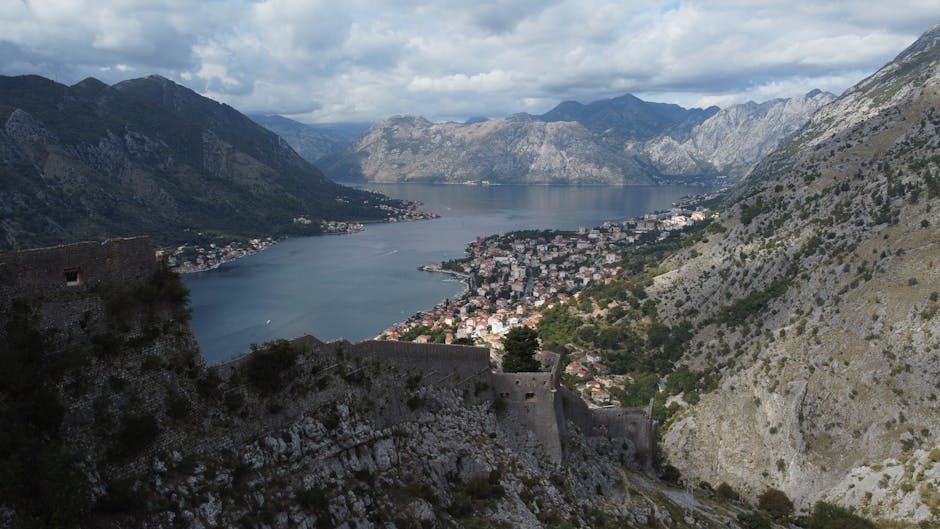
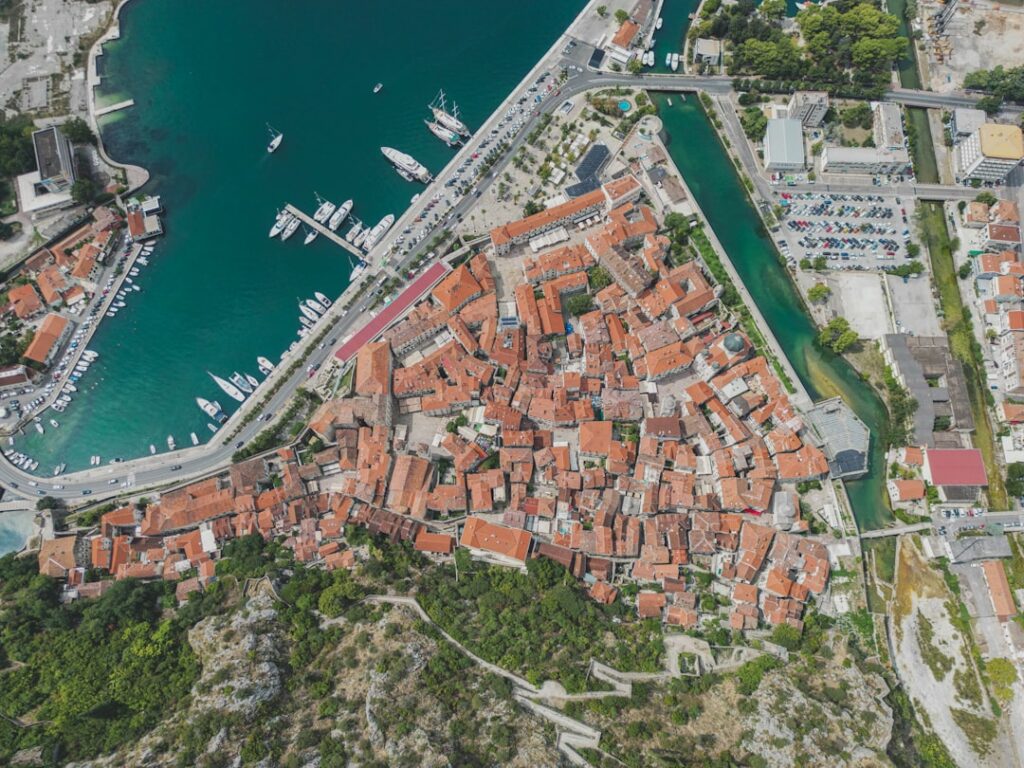
The Bay of Kotor’s topography (steep slopes, narrow alleys) creates specific risks in a fire or sudden flood. Here’s what to do and where people usually assemble.
- In case of fire: call 123 (firefighters) or 112 if you’re unsure. Evacuate calmly following exit signs and directions from emergency crews.
- Known assembly points for the old town: Trg od Oružja (Square of Arms) and the Obala Pet Danica promenade. For port-side evacuations: the main quay on Obala is practical for maritime evacuation.
- If you’re in a hotel: follow the evacuation plan in your room; take only essential papers and medication if time allows.
Hours and services:
- Kotor Fire Service — local fire station, Obala Kralja Petra I, 85330 Kotor. Phone: +382 32 333 123. Operates 24/7.
- For maritime evacuation contact the Harbour Master, Port of Kotor: Adresa: Obala Vladimira Nazora 5, Phone: +382 32 323 400. They sometimes organize transfers to Herceg Novi or Tivat depending on the situation.
Conclusion — Printable checklist and final practical tips (immediate use)
Here’s a final compact, printable checklist to keep in your pocket or phone. It summarizes the priority actions if an emergency happens in Kotor:
- Life‑threatening: Dial 112 (or 124 for ambulance, 122 for police, 123 for fire). Stay calm, give exact address/GPS, follow instructions.
- Non‑life medical: Go to Dom zdravlja Kotor, Bulevar Save Kovačevića 13 (07:00–19:00). Private: Kotor Medical Center, Obala Petrova 15 (08:00–21:00).
- Theft / assault / lost documents: Report to police (Trg od Oružja 1), get a police report, contact your embassy (Podgorica) and your insurer.
- Car accident: Secure the scene, call police (+382 32 333 122), contact Auto Assistance Kotor (+382 69 555 222) for towing.
- Lost card / money: Block cards (bank number), use ATMs and local banks (CKB Obala Pet Danica 1).
- Fire / evacuation: Call 123/112, assemble at Trg od Oružja or Obala (port), contact Harbour Master if needed.
Local practical tips:
- Always carry your travel insurance card, a photocopy of your passport and two euros in cash for emergency calls (some small kiosks don’t accept cards).
- Learn a few key phrases in Montenegrin / Serbo-Croatian: « Pomoć! » (Help!), « Hitna pomoć » (ambulance), « Gdje je policija? » (where is the police?). Locals are often helpful and many operators speak English.
- Save the addresses and numbers above in your phone and take a screenshot — useful if you lose coverage.
- If in doubt, go to the tourist information office (Trg od Oružja 8): they can point you to the right service in under 10 minutes.
Remember: preparation equals speed of action. In Kotor, public services are functional, but the key is clear communication (address/GPS) and keeping documents safe. If you need specialized care outside the town, transfers to Podgorica or Dubrovnik (Croatia) are common; make sure to contact your insurer in advance to arrange medical transport if necessary.
Finally, keep this guide handy, write down important contacts somewhere, and bring a spare power bank for your phone — in an emergency, communication and the ability to pinpoint your exact location make all the difference.