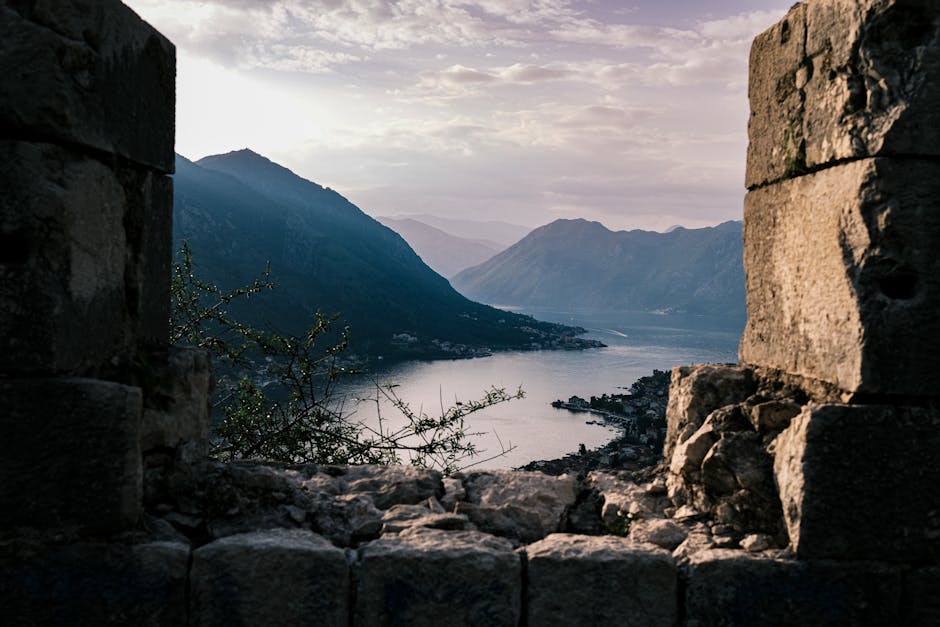
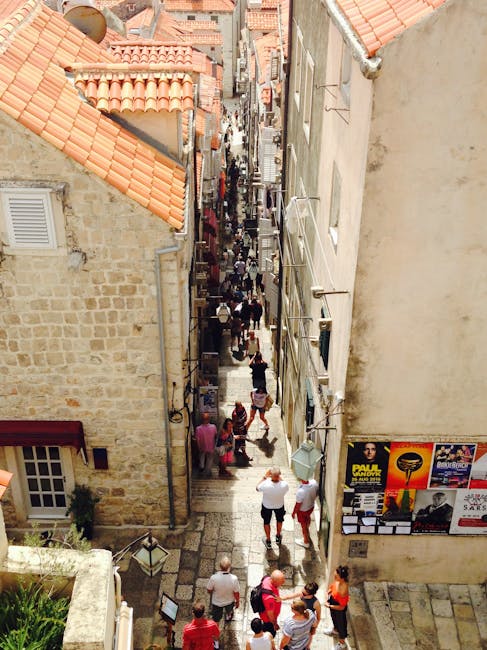
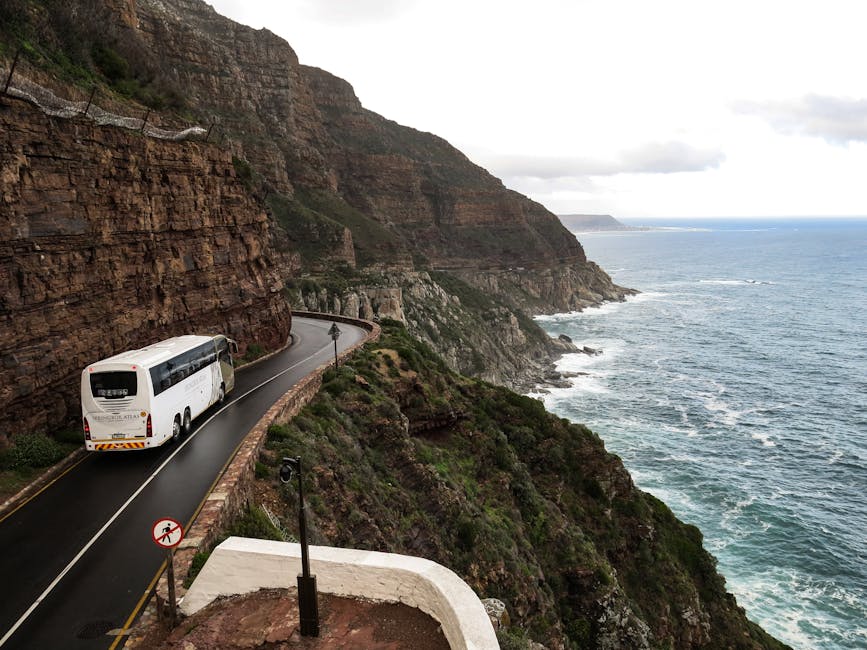
Introduction — Traveling from Dubrovnik to Kotor: context and full overview
Connecting Dubrovnik (Croatia) to Kotor (Montenegro) is one of the most scenic coastal routes in the Balkans: limestone cliffs, tucked-away bays, fishing villages and medieval remains. But beyond the scenery there are practical questions every traveler asks — which transport to choose (bus, ferry, taxi), how much it costs, how long it takes, how to handle the border, and which addresses/times to keep handy. This guide was made to give you a full, option-by-option map, day-by-day where useful, with exact addresses, indicative prices in euros, typical schedules and local tips to travel with confidence.
Dubrovnik is served by a central bus terminal and two main ports: Gruž Harbour (ferries and catamarans) and the old port near the city walls (Ploče). Kotor opens onto the Bay of Kotor (Boka Kotorska) and has a central bus terminal and a waterfront port (Riva) that drops you right into the medieval old town. The straight-line distance is roughly 95–110 kilometers depending on the route, but travel time varies widely based on the mode and border-control conditions. In high season (June–August) expect queues at the border and fast-selling seats; in low season crossings are smoother but some connections — especially the sea route — may be reduced or suspended.
This guide breaks down the three main options in detail:
- The bus: the cheapest, widely available, several departures per day, but dependent on traffic and border formalities.
- The ferry/catamaran: the most visually stunning choice, sometimes pricier, very seasonal, a relaxing sea crossing between the two shores.
- The taxi / private transfer: the most comfortable and flexible, but also the most expensive; ideal for groups, families or door-to-door transfers.
In the following sections you’ll find exact addresses (bus station, ports, taxi points), schedules and typical fares in euros, immersive route descriptions, booking examples, tips for handling the border (documents, wait times), plus local hacks to make your trip smoother: where to get off for the best photo ops, how to negotiate a taxi, and which times to avoid to beat the crowds. This guide is aimed at a broad audience: independent travelers, couples, families and small groups looking to reach Kotor from Dubrovnik in peace.
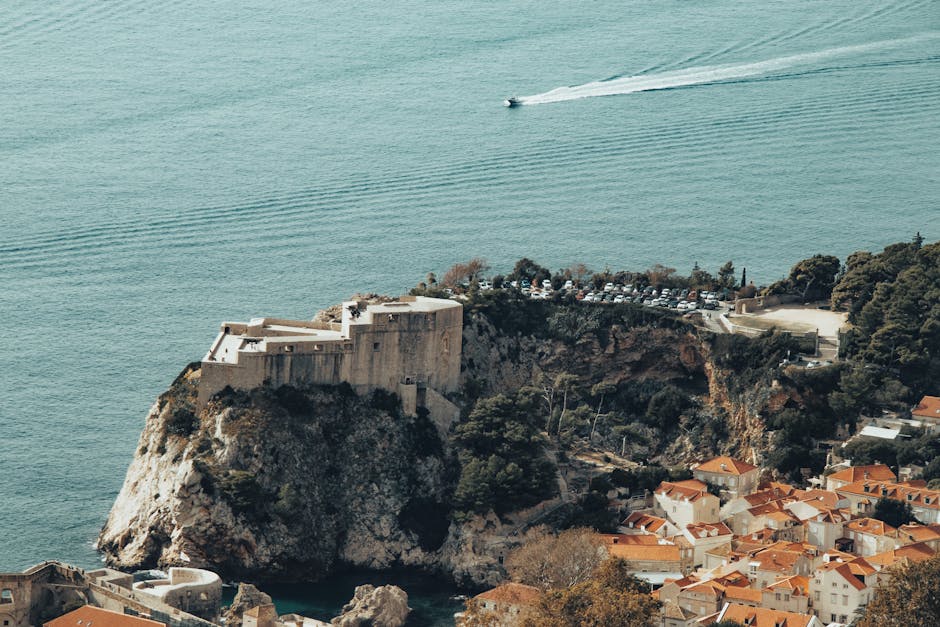
1) Taking the bus: options, addresses, schedules and costs
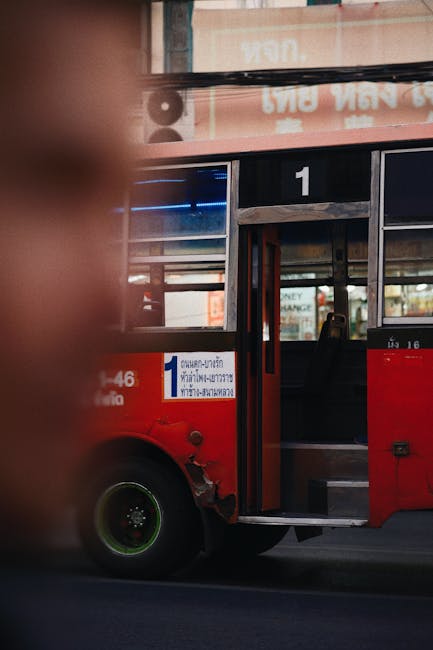
The bus is the most common and economical way to get from Dubrovnik to Kotor. Several companies run the international line, with frequencies that change by season. A direct bus trip typically takes between 2 h 15 and 3 h 30, depending on border queueing and the number of stops.
Stations and useful addresses
- Dubrovnik Bus Station (Autobusni Kolodvor Dubrovnik) — Address: Čara 4, 20000, Dubrovnik, Croatia. Indicative phone: +385 20 314 111. The terminal is in the Gruž neighborhood, about 3–4 km north of the old city walls.
- Kotor Bus Station (Autobuska stanica Kotor) — Address: Trg od Oružja 1, 85330 Kotor, Montenegro. Indicative phone: +382 32 322 680. The station is a 6–8 minute walk from the old town and the Riva port.
Departures usually run from morning through early evening. In high season expect 5–8 direct departures per day; in low season 2–4. Example times (indicative; check online on the day): 07:30, 09:45, 11:30, 14:00, 17:00. Standard one-way fares are typically between €10 and €15 per person. Children and students sometimes get discounts (bring a European student card if applicable).
Companies and buying tickets
Main operators on the route: FlixBus (seasonal/international), Autotrans (southern Croatia), Montenegrolines or local Montenegrin carriers for internal legs. In practice international buses are often run in cooperation between operators. Tickets can be purchased:
- At the Dubrovnik Bus Station ticket office (cash and sometimes card),
- On the companies’ websites and apps (FlixBus accepts card payments and e-tickets),
- Through local agencies or hotels (reservation fees may apply).
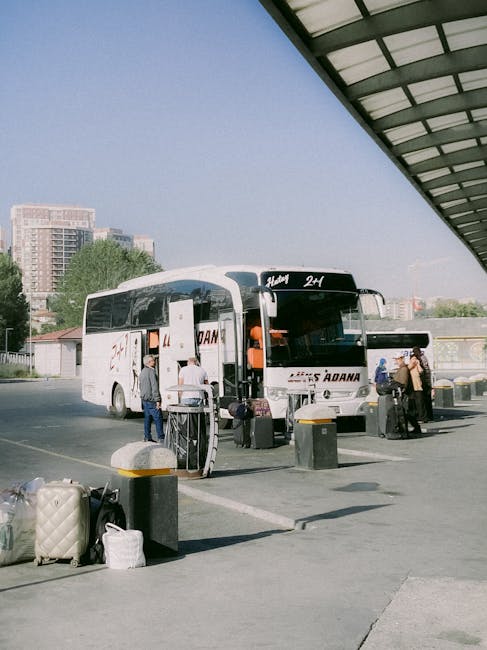
Local tip: in high season book 24–72 hours in advance — buses fill up fast. International buses usually allow hold luggage (one medium suitcase included), but check for extra-baggage fees (around €2–5 per item).
What to expect on a bus trip
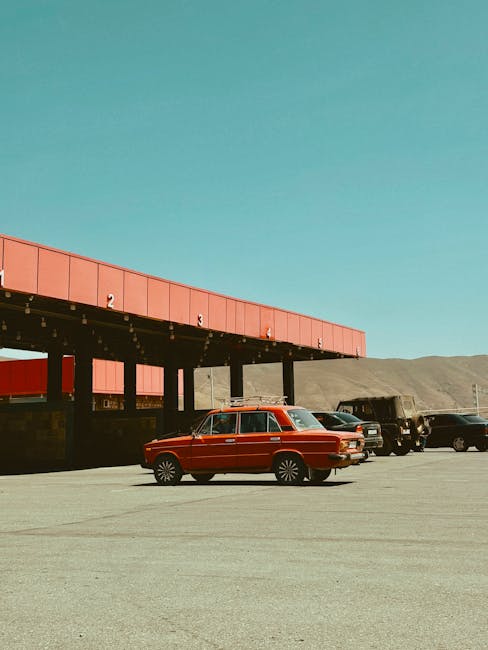
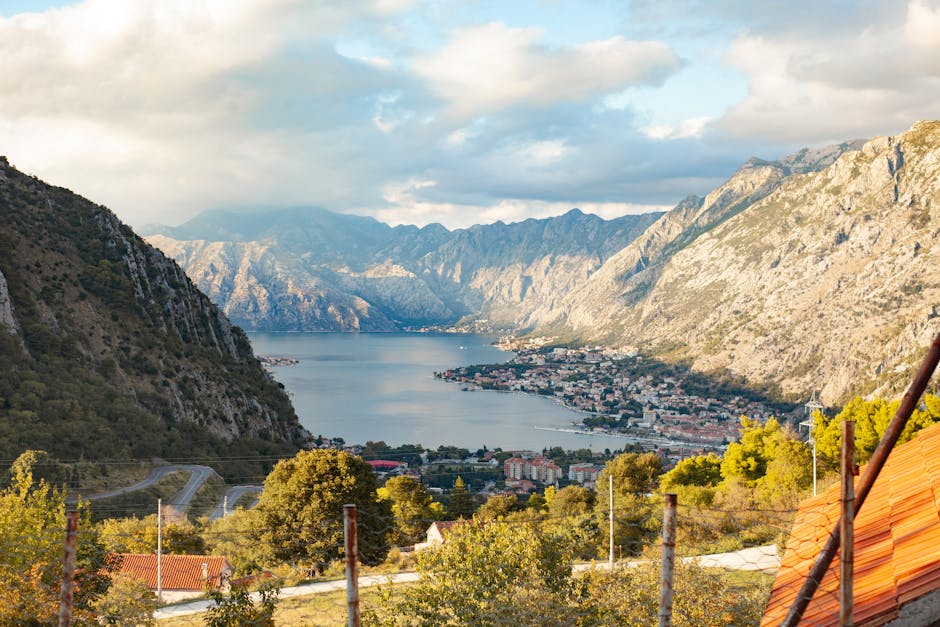
Buses usually depart from the Gruž station. Expect a stop at the border crossing between Croatia and Montenegro (Debeli Brijeg / Karasovići). Passengers sometimes have to disembark briefly while officers check passports. Waiting time can range from 10 minutes to an hour depending on traffic. After the border the bus winds down the coast toward Kotor via Herceg Novi with stunning views of the bay.
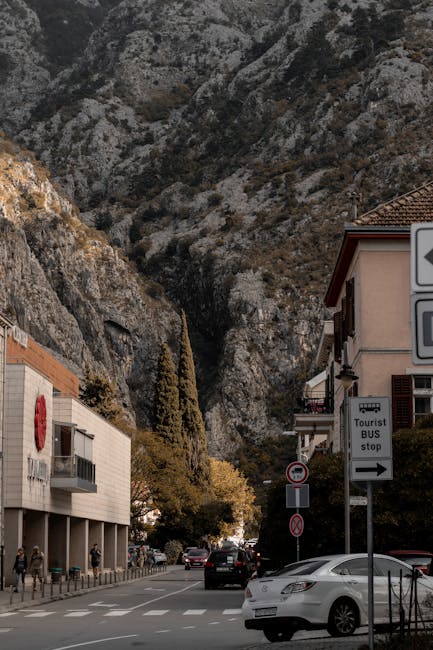
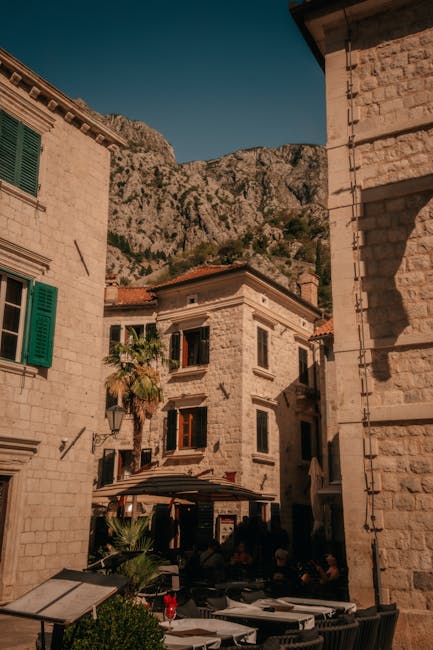
On arrival in Kotor, the station at Trg od Oružja places you a short walk from the old town and marina. To reach a hotel in the old town allow 5–10 minutes on foot. The bus is a good option if you travel light, want a budget-friendly fare and prefer arriving in the town center.
2) Taking the ferry/catamaran: the most picturesque choice
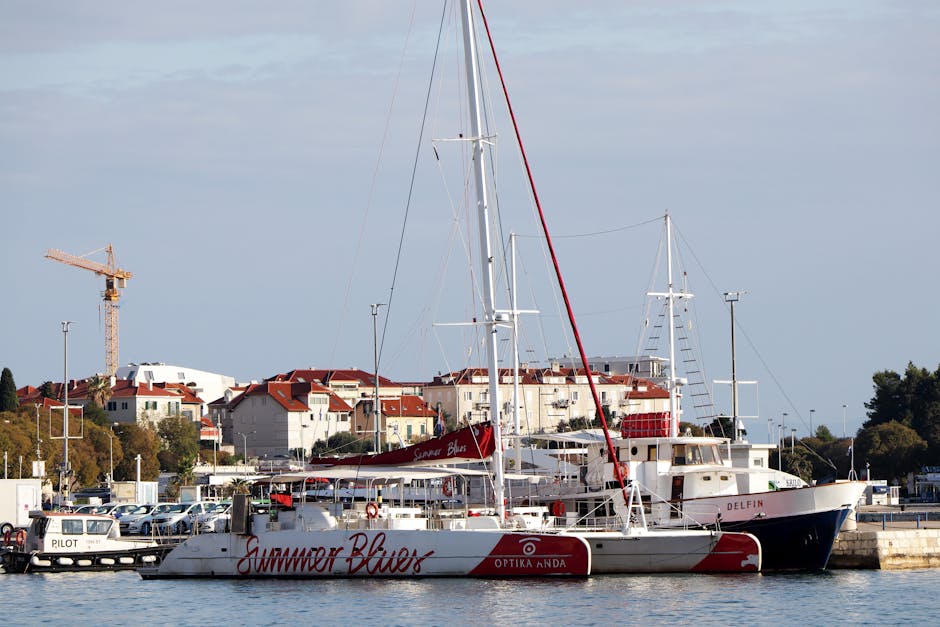
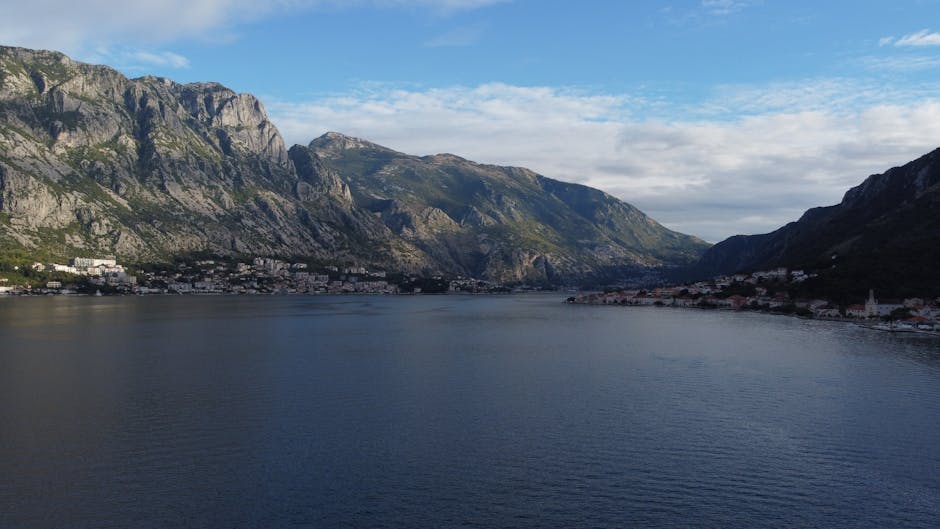
The ferry (or catamaran) is the most visually rewarding option: the Adriatic crossing skirts islands and gives a maritime perspective of Dubrovnik’s walls and the Bay of Kotor. However, it’s very seasonal — mainly running from May to September — and services can be limited or non-existent off-season.
Ports and addresses
- Dubrovnik – Gruž Harbour (Port of Dubrovnik / Luka Gruž) — Address: Obala Stjepana Radića 1, 20000 Dubrovnik, Croatia. Port phone: +385 20 640 700.
- Kotor – Port of Kotor (Riva) — Address: Riva, 85330 Kotor, Montenegro. The marine terminal sits right next to the old town.
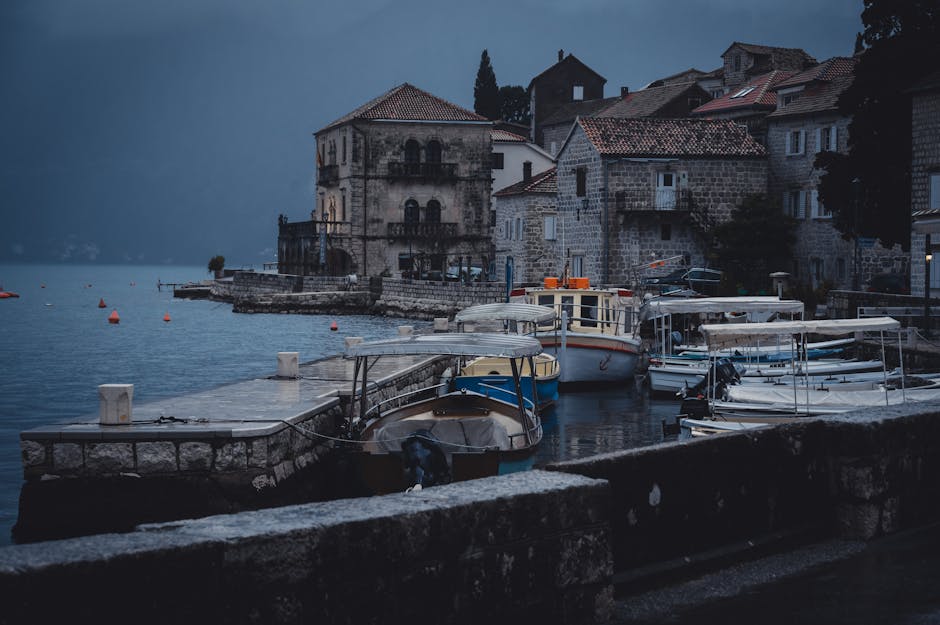
Seasonal operators that sometimes run Dubrovnik–Kotor include Jadrolinija (mainly national) and smaller private catamaran and water-taxi services. Morning departures (09:00–10:30) are common in summer. Duration varies: 2 h 30 to 4 hours depending on route and stops. Fares generally range from €25 to €45 per person depending on vessel type (fast catamaran vs. slower ferry).
Booking, procedures and tips
Book online through the operator’s site or at an agency in Gruž. Arrive 30–45 minutes before departure to validate tickets and for baggage checks. International ferries also require border control: often formalities are done at embarkation/disembarkation, which can take time. Have your passport ready and any required visa. The border buildings may have ticket machines and toilets, but services are generally more limited than on land.
Practical tips:
- Pick an outside seat or the upper deck for panoramic views.
- Bring a jacket: the sea can be cool even in summer.
- If you’re prone to seasickness, take motion-sickness medication before departure.
- Check baggage rules — large bags can sometimes incur extra charges.
Ferry pros and cons
Advantages: exceptional scenery, comfort, no long terrestrial border queues, arrival directly at Kotor’s port. Drawbacks: seasonal availability, sometimes pricier than the bus, weather-dependent (cancellations in rough seas), and limited frequency. If your schedule is flexible and you want an unforgettable crossing, the ferry is ideal.
3) Taxi, private transfer and rental car: comfort and speed
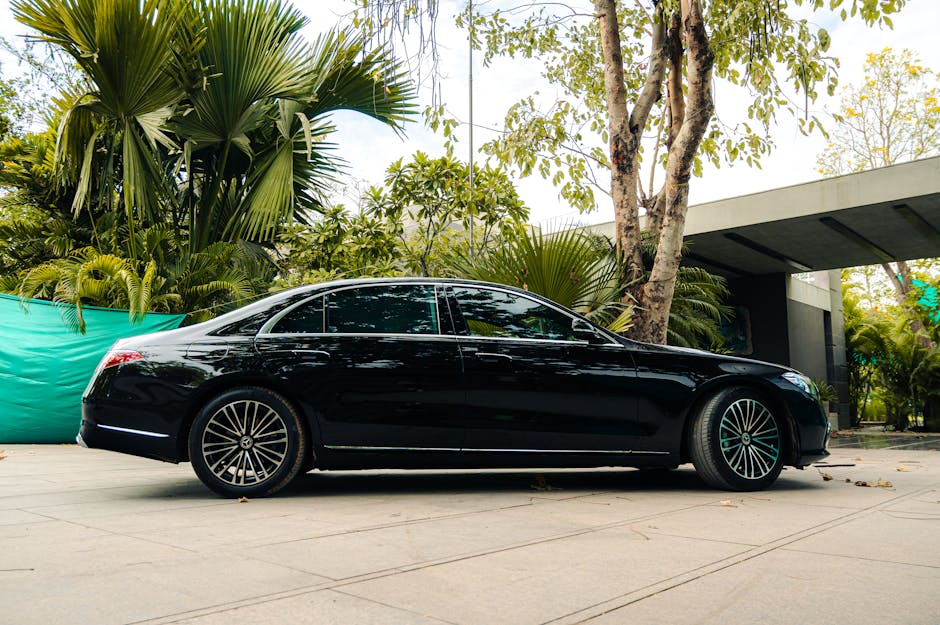
If you prioritize comfort, door-to-door service and flexible timing, a taxi or private transfer is the simplest option. It’s also the priciest. A direct car trip typically takes 1 h 30 to 2 h depending on traffic and border time.
Pickup points and taxi ranks in Dubrovnik
- Taxi rank – Ploče Gate (main taxi rank) — Address: Ul. od Puča / Ploče Gate, 20000 Dubrovnik, Croatia. This is the taxi point closest to the city walls.
- Taxi rank – Gruž Ferry Terminal — Address: Obala Stjepana Radića 1, 20000 Dubrovnik, Croatia. Taxis are plentiful here, especially early morning and in the evening.
Indicative fares: a standard taxi from Dubrovnik to Kotor usually costs between €150 and €220 depending on company, vehicle, time (nights and holidays are pricier) and number of passengers. For a larger vehicle (6–8 seater vans) expect €220–300. Pre-booked private transfers through agencies or hotels are often fixed-price (e.g. €180–260 depending on vehicle).
How to book and what to check
Book via:
- Your hotel (transfer booking service)
- Local transfer agencies (search online: « Dubrovnik to Kotor private transfer »)
- Taxi apps or local phone numbers (check reviews and get written price confirmation).
Checks to make:
- Confirm an all-inclusive price (tolls, border fees, waiting time) and whether fuel is included.
- Ask for an estimated travel time and the planned route (coastal road or highway when available).
- Verify the driver is authorized to cross an international border with passengers.
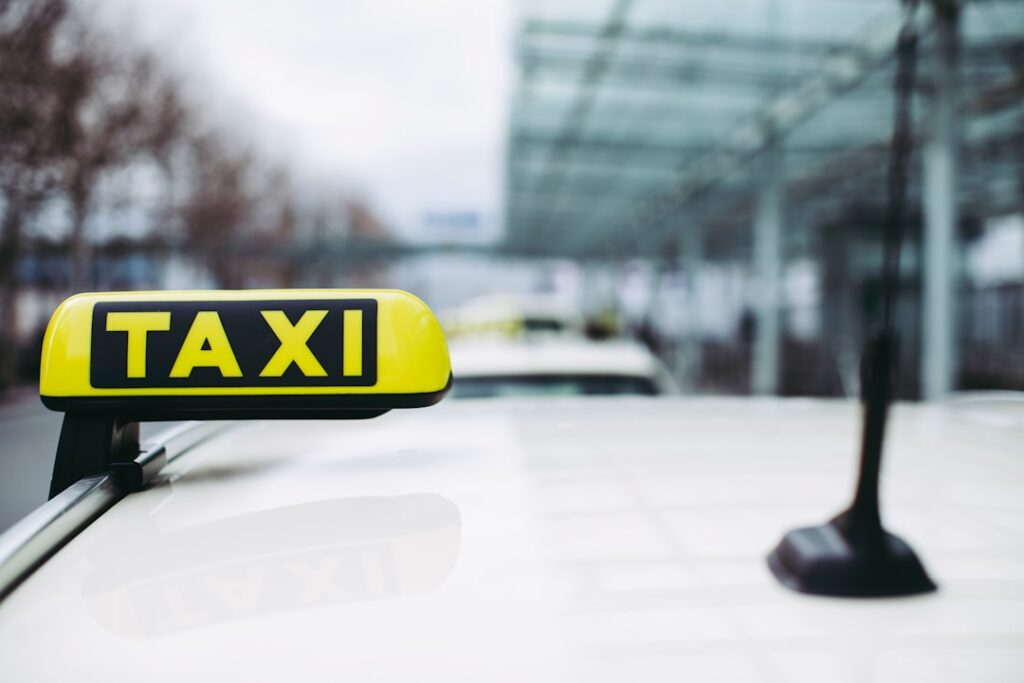
Local tip: agree a fixed price beforehand and ask for the driver’s contact. Official taxis usually have a roof sign and an ID number. Be wary of offers that are suspiciously cheap and insist on cash-only payment without any paperwork.
Car rental: freedom but paperwork
Renting a car gives you the freedom to stop for panoramic views. International and local rental companies have offices in Dubrovnik (city center and the airport). Expect €40–80 per day for a compact off-season and €70–150 in high season for larger vehicles. Check:
- That the rental agreement allows taking the vehicle into Montenegro (some companies forbid it or charge an additional insured fee).
- Cross-border insurance coverage and whether you need a « green card » for international travel (ask the rental company).
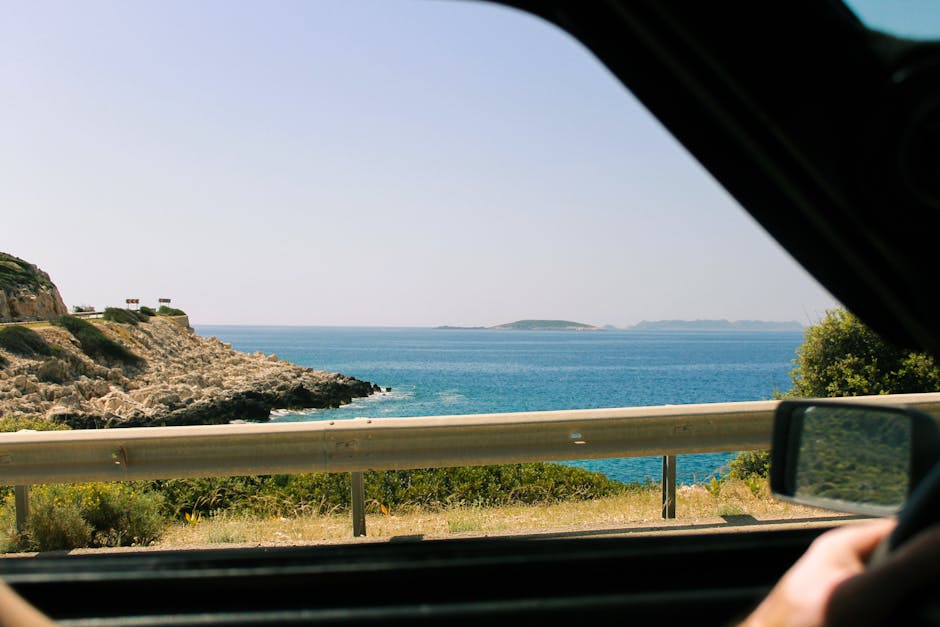
Driving is scenic but sometimes winding; park in official lots in Kotor (Parking Obala 84 — address: Obala 84, 85330 Kotor, daily rates typically €5–15) since the old town has restricted pedestrian zones.
4) Border formalities, currency, safety and practical tips
Traveling between two neighboring states comes with administrative formalities and practical realities you should know to avoid surprises.
Passport checks and waiting times
The main land border on this axis is at Debeli Brijeg (Montenegro) / Karasovići (Croatia-like point). Controls can be quick (10–20 minutes) or very long (up to an hour or more) in high season. Present a valid passport (recommended: at least 6 months’ validity). EU citizens generally don’t need a visa for short stays, but check requirements if you’re a national of a third country.
Currency and payments
Montenegro uses the euro (€) as its official currency. Croatia’s currency is/was the Croatian kuna (HRK) until full euro adoption in certain periods, but in many tourist places international cards (Visa, Mastercard) are accepted. Still, for local taxis or small purchases carry cash in euros for Montenegro and some kuna for Croatian providers. ATMs are available in Gruž and Kotor (watch for withdrawal fees).
Safety and health
The route is generally safe. Observe speed limits and avoid leaving valuables visible in a car or bus. Basic medical care is available in both towns; check that your travel insurance covers Montenegro. In an emergency dial 112 (European emergency number).
Local tips:
- Avoid traveling during peak hours (10:00–16:00 in summer) if you want to reduce border waiting times.
- Allow an extra 1–2 hours margin if you have a flight or ferry connection.
- Keep photocopies of your documents and a digital copy accessible online.
5) Practical itineraries, sample day plans and local recommendations
Here are practical scenarios depending on your goal: quick transfer, day trip, or scenic drive with stops. Each scenario includes typical times, costs and reference addresses.
Scenario A — Budget transfer (morning bus)
- Departure: Dubrovnik Bus Station, Čara 4 — 07:30.
- Estimated arrival: Kotor Bus Station, Trg od Oružja 1 — 10:00–10:30 (depending on the border).
- Cost: €10–15 per person.
- Tip: buy your ticket the day before at the ticket office or via FlixBus; sit on the sea side for the views.
This scenario is great if you arrive early in Dubrovnik and want to enjoy a half-day in Kotor.
Scenario B — Panoramic crossing by ferry
- Departure: Gruž Harbour (Obala Stjepana Radića 1) — 09:30 (seasonal catamaran).
- Arrival: Port of Kotor (Riva) — 12:00–13:00.
- Cost: €25–40 per person.
- Tip: book early, bring snacks and water, sit on the upper deck.
Perfect for travelers prioritizing the maritime experience and wanting to skip the road.
Scenario C — Comfort and flexibility (private transfer)
- Book via hotel or agency: pick-up from your address in Dubrovnik.
- Duration: 1 h 45–2 h 15 (depending on traffic and border).
- Cost: €150–260 depending on vehicle and number of passengers.
- Tip: agree an exact meeting point and get the driver’s phone number.
Ideal for families, passengers with heavy luggage, or anyone who wants to arrive at their accommodation’s door.
Conclusion — Choose based on your priorities and plan ahead
In short, choosing between bus, ferry and taxi to go from Dubrovnik to Kotor comes down to your priorities: budget, comfort, scenic experience and time constraints. The bus is the most affordable and reasonably comfortable option, with several departures daily and fares typically between €10 and €15. The ferry delivers an unforgettable maritime experience — sea views and direct arrival at Kotor’s port — but is very seasonal and usually costs €25–45. A taxi or private transfer gives you freedom and comfort, with prices usually in the €150–260 range for a direct trip.
Final tips for a stress-free journey: check schedules and availability in high season, build in buffer time for the Debeli Brijeg/Karasovići border, carry euros in cash for Montenegro, book ferries or taxis in advance if you’re on a tight schedule, and pick bus seats on the sea side to enjoy the views. If you plan to rent a car, make sure the rental company allows the vehicle to cross into Montenegro and that cross-border insurance is in order.
Finally, if you travel in summer consider an early morning departure: the light is beautiful, temperatures are cooler and border queues are often shorter. Once in Kotor, take time to stroll along the Riva (Riva, 85330 Kotor), climb some steps toward the San Giovanni fortress for an impressive bay panorama, and sample local specialties (fresh fish, kačamak, Montenegrin wines). Kotor deserves to be arrived at relaxed and ready to explore its medieval lanes and seaside views — and this guide helps you pick the best way to get there from Dubrovnik.