Introduction — Before heading straight to Kotor Public Hospital, read this
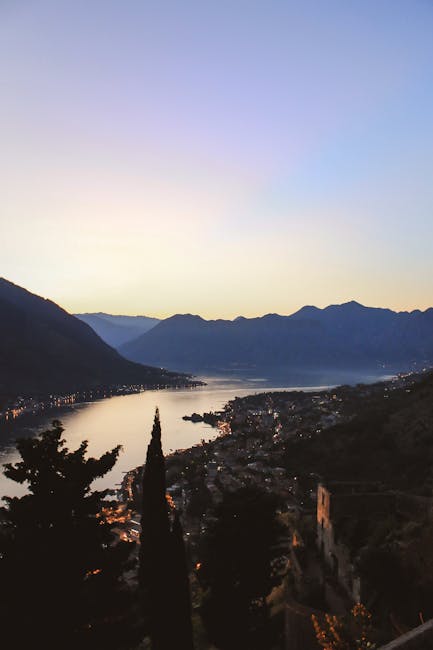
If you’re in Kotor, Montenegro, and thinking of rushing to the local public hospital, pause for a minute. Kotor is a small coastal town tucked into fjord-like bays and mountains — a beautiful holiday spot that can present logistical and administrative headaches if you have a health issue. The commonly referenced public facility is Opšta bolnica Kotor (General Hospital Kotor), which serves the municipality and acts as an access point for tourists and ambulance teams working along the Boka Kotorska Riviera. That said, your actual experience will depend on your status (resident, EU tourist with a health card, non-EU traveler), the time you arrive (night, weekend, peak season), and the nature of the problem (life‑threatening emergency versus minor issues).
In this practical guide I’ll walk you through what to check BEFORE you sprint to Kotor Public Hospital: exact addresses, opening hours, ballpark costs in euros for common treatments, local alternatives (private clinics, on‑call pharmacies), admission procedures, and tips for paperwork and payment. The goal is twofold: avoid panic, cut waiting times, and prevent unnecessary expenses. Many visitors who head straight to the hospital waste precious time, not realizing that a quick diagnosis or minor treatment is often handled more efficiently — and sometimes more cheaply — at a private clinic or local pharmacy.
What follows is designed to be practical and immediately useful: full place names, exact addresses, opening hours and estimated prices in euros, plus vivid descriptions to help you visually locate each spot. I’ll also explain how ambulances work, what documents to prepare (passport, insurance card, proof of payment), and share local tips — for example, where the nearest night pharmacy is or how to negotiate a lab test if you don’t have EU insurance.
Before we go further, a few simple rules: if your situation is a life‑threatening emergency (severe chest pain, major breathing difficulties, uncontrolled bleeding, loss of consciousness), call 124 immediately (national ambulance number in Montenegro) or get to the nearest hospital without delay. For everything else — fever, minor injuries, infections, non‑extreme abdominal pain — read this guide to choose the quickest and least expensive option.
1) Know the public hospital: Opšta bolnica Kotor — address, services and hours
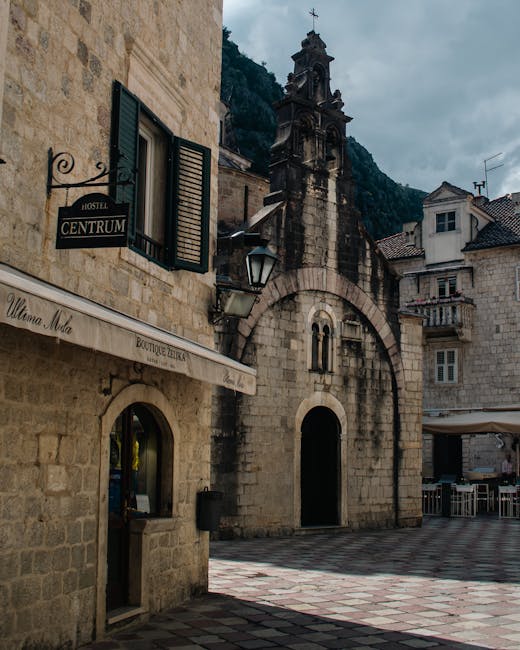
The main public facility is Opšta bolnica Kotor (General Hospital Kotor). Exact address: Opšta bolnica Kotor, Dobrota bb, 85330 Kotor, Montenegro. Phone commonly listed: +382 32 322 200 (check before you go). The hospital has an Emergency Department open 24/7 that handles severe cases. Outpatient clinics have more limited hours: ambulatory services are usually Monday to Friday, 08:00–15:00 for scheduled and specialist consultations.
What to know about available services: radiology (basic X‑ray and ultrasound), a lab for essential blood tests, trauma care, obstetrics and gynecology, pediatrics, and a small general surgery unit capable of handling urgent operations. MRI and CT capacity is limited; when advanced imaging is needed, patients are sometimes transferred to Titograd (Podgorica) or to the nearest private clinic.
For tourists, admission starts with registration at the emergency reception. Bring your passport, your European Health Insurance Card (EHIC/CPAM if you’re an EU national — note that coverage can be limited), and a payment card. Waiting times vary a lot depending on the tourist season: expect several hours for non‑critical issues during high season (June–August). On average, a non‑urgent emergency assessment for a tourist can cost between €50 and €100, not including tests and treatments.
Practical tip: ask to be triaged as soon as you arrive — if your symptoms are minor, triage can reduce your wait time. If you have valid private travel insurance, present your policy and ask whether direct billing with the insurer is possible. Otherwise, be ready to pay on the spot and claim reimbursement later.
2) Fees, payments and admin — what it really costs
Public facility costs vary, but it’s useful to know some realistic reference points. Official prices aren’t always displayed in English, and practices differ depending on whether you’re an insured resident or a paying tourist. Below is a rough price list based on local practice and international patient feedback — treat these figures as estimates and always confirm at the hospital’s admin desk.
- Emergency consultation (triage + initial exam): typically between €50 and €100 for a tourist without coverage.
- Basic X‑ray: around €25–€45 depending on the number of images.
- Ultrasound: between €40 and €80 depending on the area examined (abdomen, gyne, basic cardiac).
- Basic blood tests: full panel €25–€70 (electrolytes, CBC, CRP, liver panel), single tests €5–€20.
- Dressings or minor procedures: €10–€30.
- Urgent surgical procedure (minor surgery): variable, often €300 and up; costs increase with general anesthesia or hospitalization.
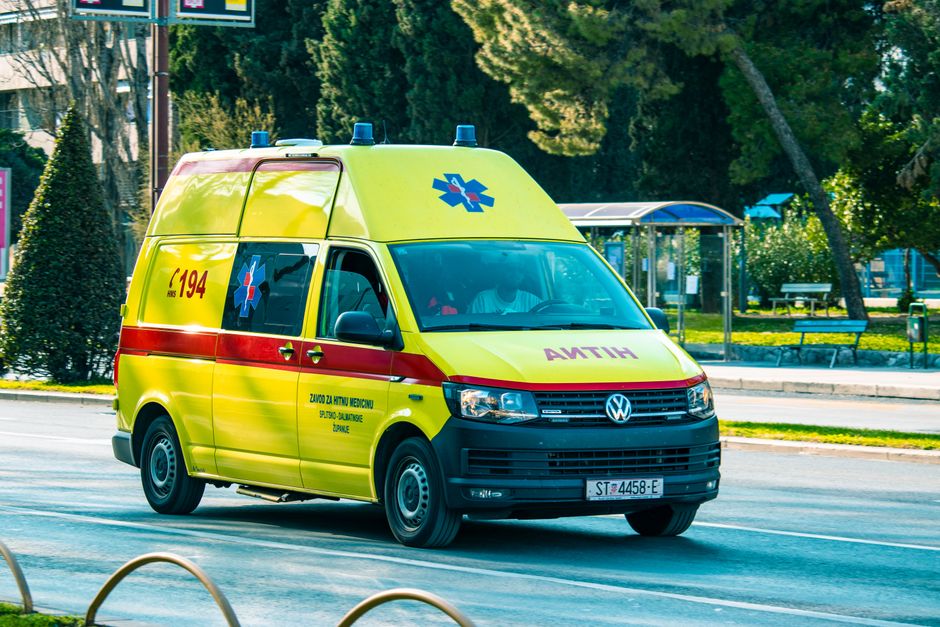
- Ambulance (local transport): €50–€150 depending on distance and paramedical intervention.
In practice, payment is often requested before or immediately after the service. Public hospitals generally accept bank cards (Visa/Mastercard) and the euro is widely used. If you have an EHIC, present it: it may cover certain urgent treatments but not necessarily all costs, and reimbursement isn’t always immediate.
Administrative tips: always get an official receipt (with hospital stamp and signature) if you plan to claim reimbursement. If you don’t speak Montenegrin, ask for an English‑speaking contact at reception — many staff understand English, but the quality of interpretation varies. Finally, to avoid surprise bills, request a written estimate before any non‑urgent additional exam (CT, MRI, hospitalization).
3) Practical alternatives: private clinics, 24h pharmacies and teleconsultations
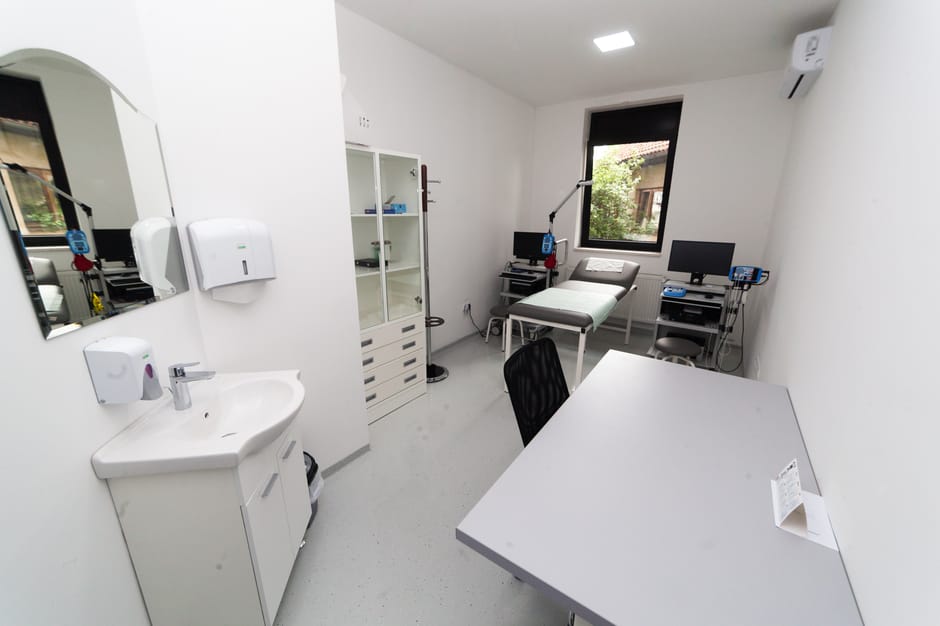
If your health issue isn’t life‑threatening, first explore private alternatives and pharmacies — they’re often faster and sometimes cheaper for routine care. In Kotor and the Boka Kotorska area, several private facilities offer consultations in English and accept card payments.
Examples of private clinics to consider:
- Poliklinika Medico Kotor — Address: Dobrota 33, 85330 Kotor, Montenegro. Hours: Mon–Fri 08:00–20:00, Sat 09:00–14:00. Phone: +382 69 210 555. General consult: around €30, specialist €50–€80. Offers ultrasound and basic lab tests in‑house.
- Private Medical Center Boka — Address: Njegoševa 10, Old Town Kotor, 85330 Kotor, Montenegro. Hours: Mon–Fri 09:00–17:00 (by appointment). Phone: +382 32 322 400. Urgent appointments possible by arrangement; prices vary by specialty.
Pharmacies and on‑call services:
- Apoteka Bokeška — Address: Njegoševa 2, 85330 Kotor. Hours: Mon–Sat 08:00–20:00, Sun 09:00–13:00. Over‑the‑counter meds, first aid kits, and limited English pharmacy advice.
- Pharmacy Dobrota 24h (seasonal on‑call pharmacy) — Address: Dobrota 117, 85330 Kotor. Hours: variable (check local notices or ask your hotel reception). On‑call pharmacies sometimes add a €2–€5 night surcharge.
Teleconsultation and remote advice: many private clinics now offer teleconsultations in English for initial guidance (typical fee €15–€30). These are handy for a quick medical opinion, an e‑prescription, or to determine if you need to visit the ER.
Local tip: if you’re staying in a hotel or holiday rental, always ask the front desk which private clinic they recommend — hotels often have partnerships and can book appointments or call a medical taxi faster than making an international call yourself.
4) Procedures, insurance and practical on‑the‑ground tips
Before you head to the hospital, check these items to speed up the process and reduce stress: what documents to have, who to call, and how to handle insurance. Here’s a handy checklist for travelers.
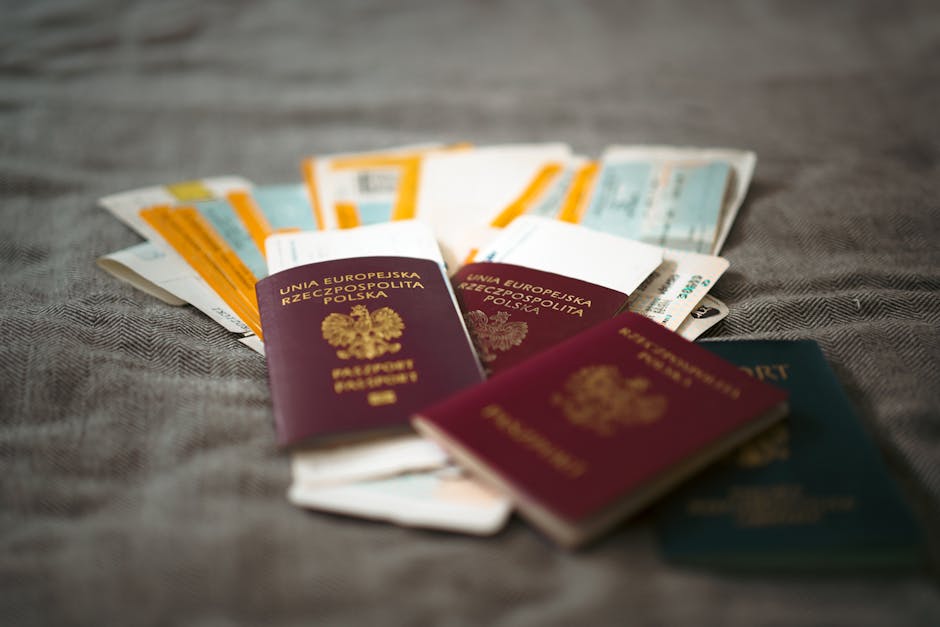
- Essential documents: passport or ID card, European Health Insurance Card (EHIC) if applicable, private travel insurance proof, your insurer’s contact details (policy number and emergency phone), and a list of any medications you’re taking.
- Payment methods: bank card (Visa/Mastercard) and a small amount of cash in euros for minor expenses or night pharmacies.
- Useful contacts: your country’s embassy or consulate contact (in Podgorica or Belgrade depending on your nationality), local tourist police, and national emergency numbers 124 (ambulance) or 122 (police).
- Language: learn a few key Montenegrin phrases or ask your hotel for a phone translator; most doctors in tourist areas speak English, but administrative paperwork may be in Montenegrin only.
Typical hospital procedure: register at emergency reception → triage (severity assessment) → basic exams (X‑ray, blood tests) → decision (outpatient follow‑up, treatment on site, admission, or transfer). If admitted, expect a more formal payment process: possible initial deposit, form filling, and you may need a translator.
Very practical local advice:
- If you have a drug allergy, write it down in English and Montenegrin on a card in your wallet.
- For families traveling with a sick child, bring a copy of the child’s health record or vaccination certificate; some pediatric treatments may require vaccination proof.
- If you need a transfer to Podgorica or Dubrovnik for specialized tests, ask the emergency department for written medical justification (a signed referral); this will make it easier for insurers or the receiving hospital.
Finally, remember that patience and a calm attitude go a long way: hospital staff often work under pressure, especially in high season. A polite question, a smile, and clarifying costs ahead of time can save time and sometimes get you friendlier, faster care.
Conclusion — Key takeaways and final tips for handling health issues smartly in Kotor
Make no mistake: Kotor Public Hospital, Opšta bolnica Kotor, Dobrota bb, 85330 Kotor, can treat many emergencies and provides essential 24/7 services. However, to avoid surprises and delays, check alternatives first (private clinic, pharmacy, teleconsultation) if your condition is not immediately life‑threatening. Always carry your essential documents (passport, EHIC or private insurance number) and request a receipt or written estimate to help with any later reimbursement.
Quick practical recap: the emergency department is open 24/7, outpatient consultations are usually limited (typically 08:00–15:00), and costs for non‑residents vary — budget from €50 to several hundred euros depending on tests and procedures. Private clinics such as Poliklinika Medico Kotor, Dobrota 33 often offer shorter wait times and English‑friendly services (consultations typically €30–€80), while local pharmacies and teleconsultations are excellent first steps for minor ailments.
Before any non‑urgent procedure, ask for a written estimate, check whether your insurer can bill directly, and if necessary request a transfer to a better‑equipped facility. In a life‑threatening emergency, call 124 immediately. Preparation is your best ally: a basic first‑aid kit, copies of your insurance, and knowing the addresses and numbers listed here can be the difference between a chaotic experience and smooth, timely care.
Travel smart, stay informed, and take care — Kotor is stunning, and with a little preparation your health issue can be handled efficiently without ruining your trip.