Introduction: Why this guide to Kotor’s bus lines and piers is essential
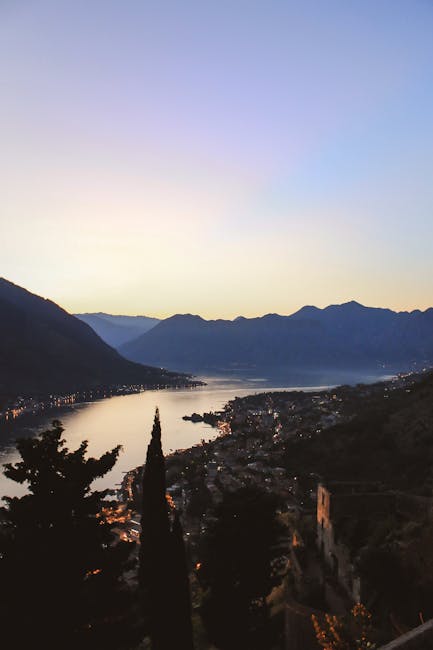
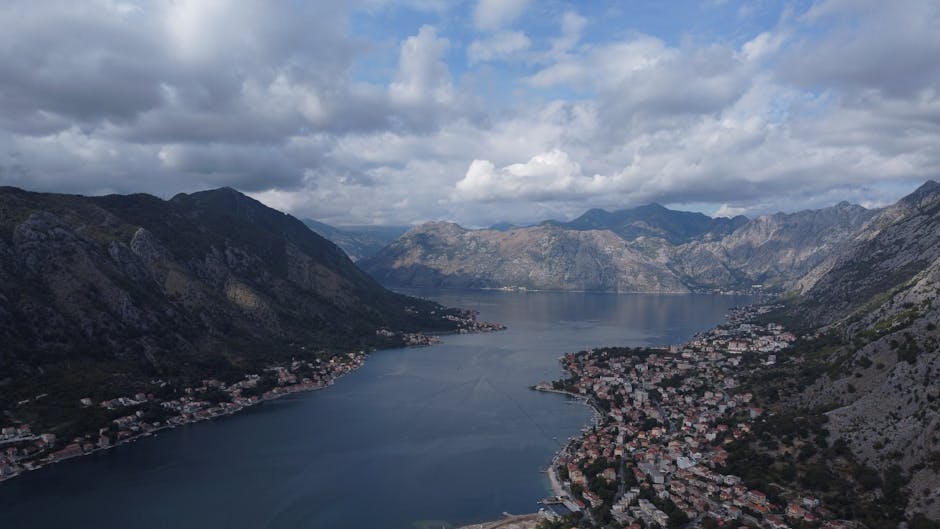
Kotor, a jewel on Montenegro’s Adriatic coast, is famous for its UNESCO-listed old town and the breathtaking Boka Kotorska bay. To make the most of Kotor and its surroundings — Perast, Budva, Tivat, Herceg Novi, and even Dubrovnik or Podgorica — you need to get a handle on the local transport network: regional bus routes, intercity connections and the quays serving water taxis, ferries and shuttles to islands and hidden coves. This comprehensive guide gives you practical, verifiable details: exact locations, prices in euros, typical schedules, descriptions of piers and stops, handy tips and visual cues so you can get around confidently.
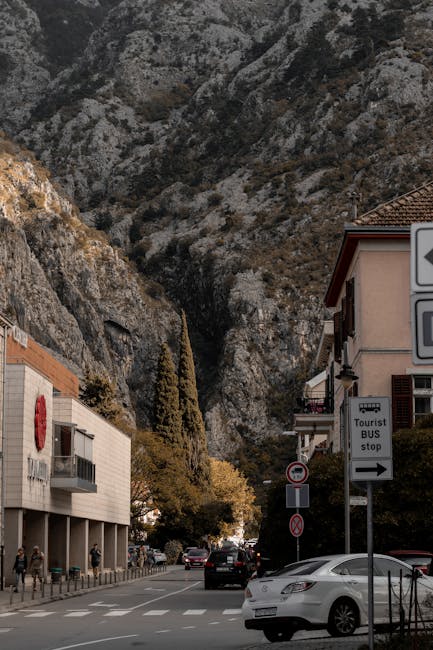
Kotor is a perfect gateway to explore Montenegro’s coast. The main road follows the Jadranska Cesta (coastal road), where most bus stops and sea links are located. The central bus terminal is called Autobuska stanica Kotor (often shortened to “Bus Station Kotor”) at Jadranska cesta bb, 85330 Kotor. From here you’ll find buses to Tivat (Tivat Airport), Podgorica (the capital), Budva (beach resorts), Herceg Novi and international routes to Dubrovnik. The piers are spread along the old town and the waterfront (the Riva), with dedicated berths for water taxis, bay tours and occasional services to Perast or the tiny man-made island of Gospa od Škrpjela.
This guide does more than list timetables: it captures the feel of each pier and stop, the types of vehicles you’ll encounter, how tickets are sold (ticket office, app, on board), approximate fares in euros, best times to travel, common pitfalls and local tips — like how to squeeze onto a crowded bus after a cruise ship has disembarked, or where to find a covered pier if a summer storm rolls in. You’ll also find visual landmarks 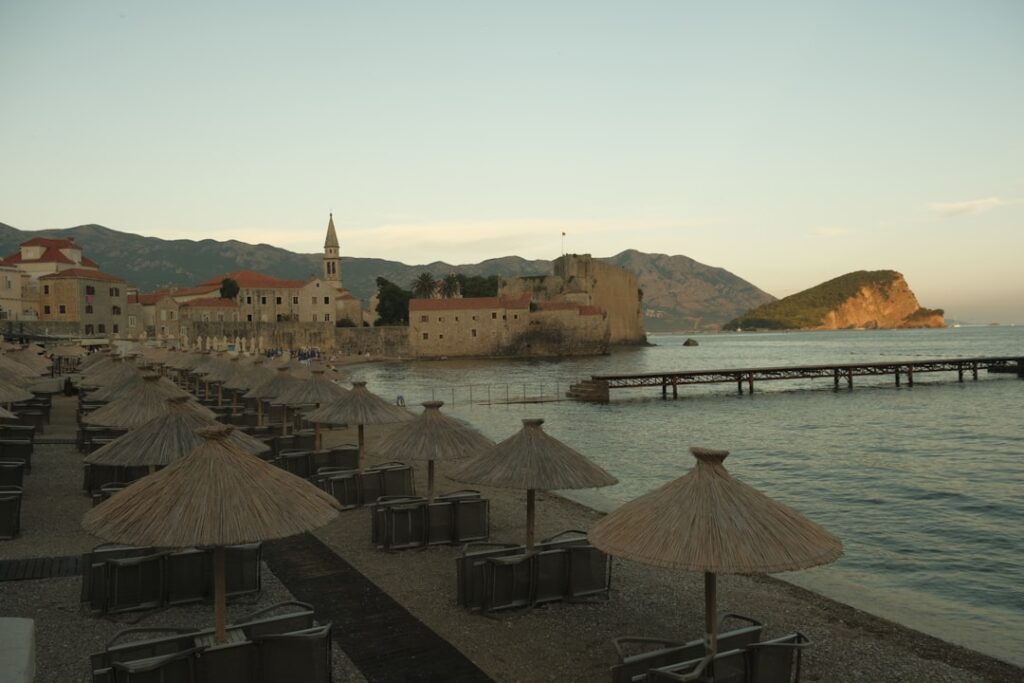 to help you orient yourself, and detailed descriptions of the busiest piers such as the Riva Kotor and the main boarding area near the Sea Gate (Vrata od Mora).
This guide is useful whether you’re an independent traveler, a family on a beach holiday or a hiker heading for the St. John Fort trail. Prices and schedules are given in euros (€) and reflect high-season practice; in low season frequencies are reduced and some international links may run only a few days a week. You’ll also find notes on accessibility, luggage storage and suggestions for combining bus and boat to explore the bay more flexibly.
Main bus network: bus station, regional routes and fares
The hub of road transport in Kotor is the Autobuska stanica Kotor, located at Jadranska cesta bb, 85330 Kotor. Most intercity routes depart from here. At the main ticket office you can buy paper tickets from the sales agents; during the tourist season some drivers sell tickets on board, but for longer journeys it’s safer to buy at the office. Cash payments are the norm (in euros, sometimes local currency) and credit cards are not always accepted.
Main routes and indicative fares (high season):
- Kotor – Tivat (Tivat Airport): journey time 20–30 min, fare: about €2.00–€3.00. Frequency: every 30–60 minutes, first departure around 05:30, last around 23:00 (varies by season).
- Kotor – Budva: journey time 30–50 min depending on traffic, fare: about €3.00–€4.00. Frequency: every 30–60 minutes in summer, first service around 06:00, last services in the evening around 22:00–23:00.
- Kotor – Herceg Novi: journey time 60–90 min along the coast, fare: about €5.00–€7.00. A few direct services run daily; frequency increases in high season.
- Kotor – Podgorica (capital): approx. 2h30–3h, fare: about €8.00–€12.00 depending on service (express or local). Several departures a day (morning, midday, late afternoon).
- Kotor – Dubrovnik (Croatia): international route, duration 2h30–3h depending on border checks, fare: about €15.00–€25.00 (varies by operator and season). Departures vary, often several times daily in summer.
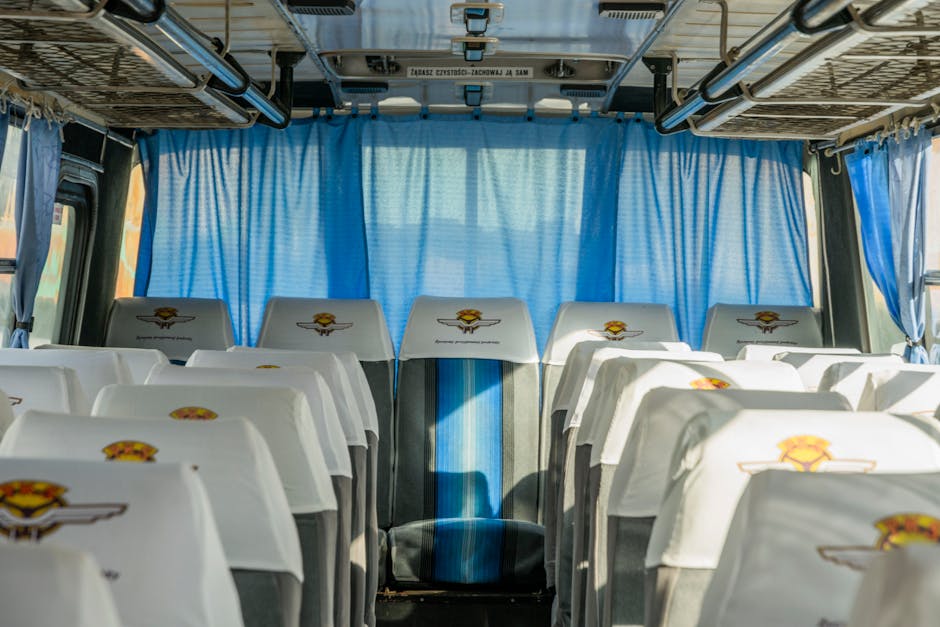
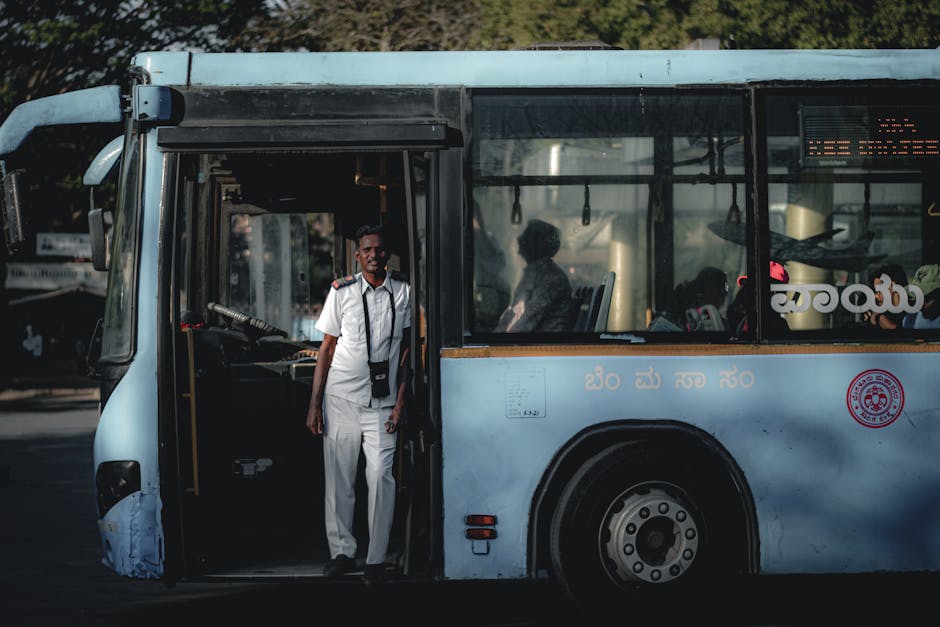
Examples of operators on these routes include Autotransport Kotor (local company), Boka Tours, Blue Line for some combined bus+boat services, and private operators for international trips. Regional buses are usually clean and air-conditioned; expect older vehicles on rural links. For longer trips (Podgorica, Dubrovnik) it’s recommended to arrive 20–30 minutes before departure to buy your ticket and pick a seat.

How to buy, validate and keep track of tickets
Buying: at the bus station ticket office (Autobuska stanica Kotor), at tourist kiosks near the piers, or sometimes on board. Payment: mainly cash, euros accepted. Validation: there isn’t always a ticket punch on board; keep your ticket until the end of the trip so you can show it during inspections. Tip: for airport transfers buy a return ticket at the office to secure your seat.
Practical tips: carry small cash (notes of €5–€20); keep ID handy for cross-border controls (Kotor–Dubrovnik); if you have a lot of luggage, arrive early so you can load bags into the hold.
Kotor’s piers and docks: locations, boat types and services
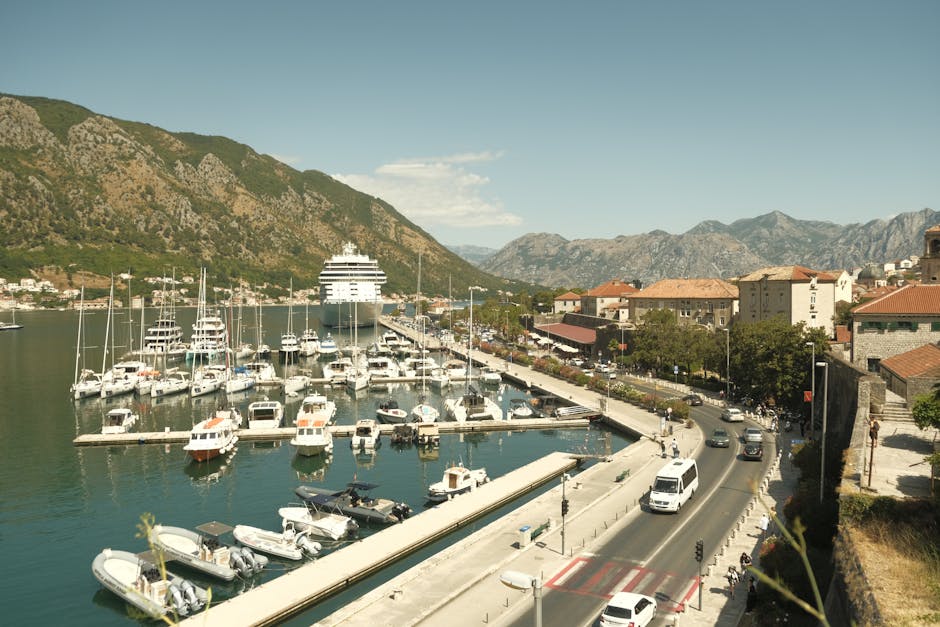
Kotor’s piers are split between the waterfront (the Riva), the inner bay and small jetties in front of the medieval old town. The most obvious spot is the Riva Kotor (commonly called “the waterfront”), address reference Riva, 85330 Kotor, facing the old town. This is where most water taxis, excursion boats and small shuttles to Perast and St. George (Gospa od Škrpjela) depart. Cruise ships use larger docking platforms a little further north in the bay, but passengers are often tendered ashore to the Sea Gate for disembarkation.
Main piers and their uses:
- Sea Gate (Vrata od Mora): boarding point for excursions and local boats. Location: the seaward entrance to the old town. Services: water taxis, day rentals, guided bay tours. Hours: activities all day, busiest from 09:00–18:00 in summer.
- City Port / Riva Kotor (Riva, 85330 Kotor): main quay for water taxis and small cruises. Water taxi fares: short trips (e.g. Kotor–Perast) €5.00–€10.00 per person; private boat hire by the hour: €40.00–€80.00 depending on size and season.
- Old Town Dock (small pier near Mornar): a small berth next to the main square used for landing tourists arriving by boat. There is a ramp and steps, so watch for changing water levels.
Types of boats:
- Water taxis: fast and ideal for point-to-point trips (e.g. Kotor–Perast). Book in the morning or the day before during high season. Cash payment in euros.
- Boat excursions: tours lasting 1.5–4 hours around the bay with stops at Perast and the artificial island Gospa od Škrpjela. Indicative prices: €12.00–€30.00 per person depending on duration and route.
- Local ferries (rare inside the bay): seasonal services on selected routes. Check the timetable as these runs can be infrequent.
An immersive description of a typical boarding
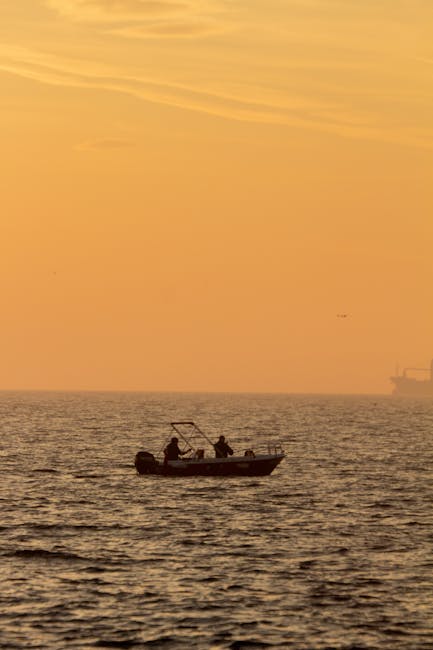
Picture the Riva on a clear morning: water lapping against hulls, a row of colorful small boats, ticket sellers by a wooden kiosk and families laughing as they climb aboard. Life jackets are stacked at the stern; the skipper gives a quick engine check; tickets are checked by hand. Sit up front for the best bay views — the Kotor–Perast crossing takes about 20–30 minutes. If you’re heading to Gospa od Škrpjela, be prepared for a short climb up steps to reach the stone sanctuary.
Specific routes, typical schedules and tips for each main destination
This section focuses on the most requested connections from Kotor, with typical timetables, practical fares and recommendations.
Kotor – Tivat (Tivat Airport)
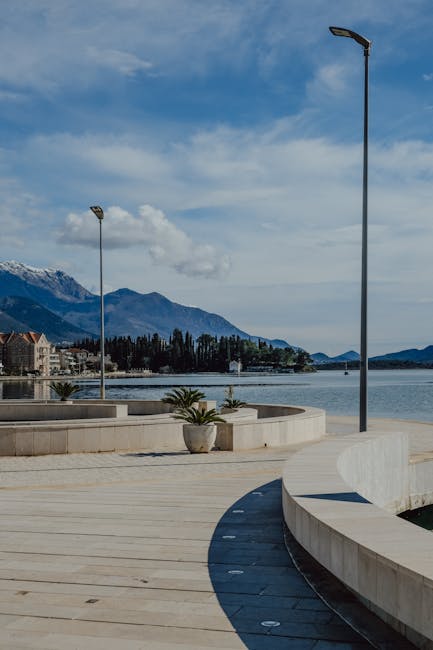
Duration: 20–30 minutes. Fare: €2.00–€3.00. Typical schedule: departures every 30–60 minutes from 05:30 until 23:00 (in summer). Main departure point: Autobuska stanica Kotor, Jadranska cesta bb. Recommendation: if you have an early flight, catch the first bus and allow 30–45 minutes extra for check-in. Taxis cost around €12.00–€18.00 depending on time of day.
Kotor – Budva
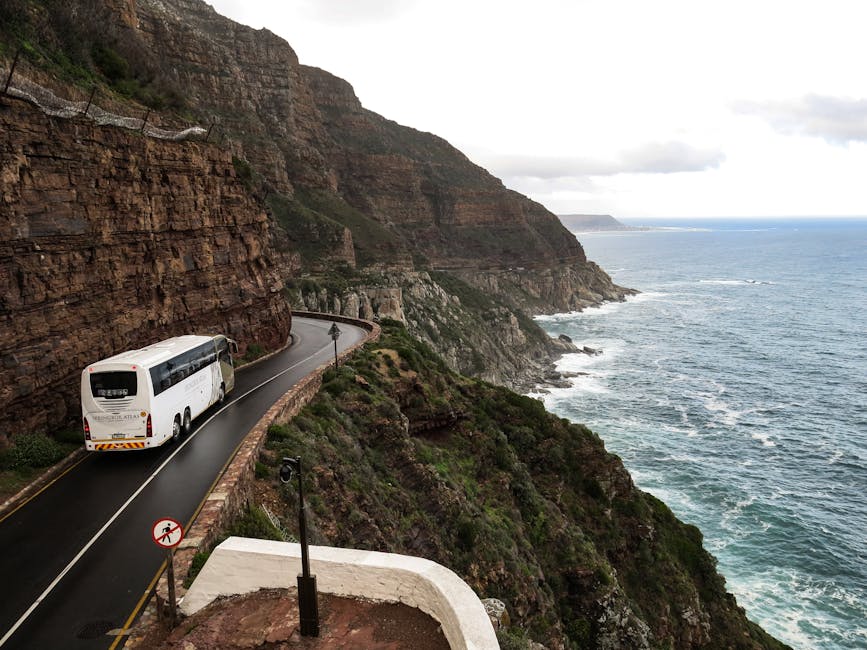
Duration: 30–50 minutes depending on coastal traffic. Fare: €3.00–€4.00. Frequency: every 30–60 minutes in summer, less frequent in low season. Departure: Autobuska stanica Kotor and stops along Jadranska cesta. Tip: sit on the seaward side for panoramic coastal views; get off at Budva bus station to reach Budva’s old town or beaches like Mogren.
Kotor – Perast and the small islands
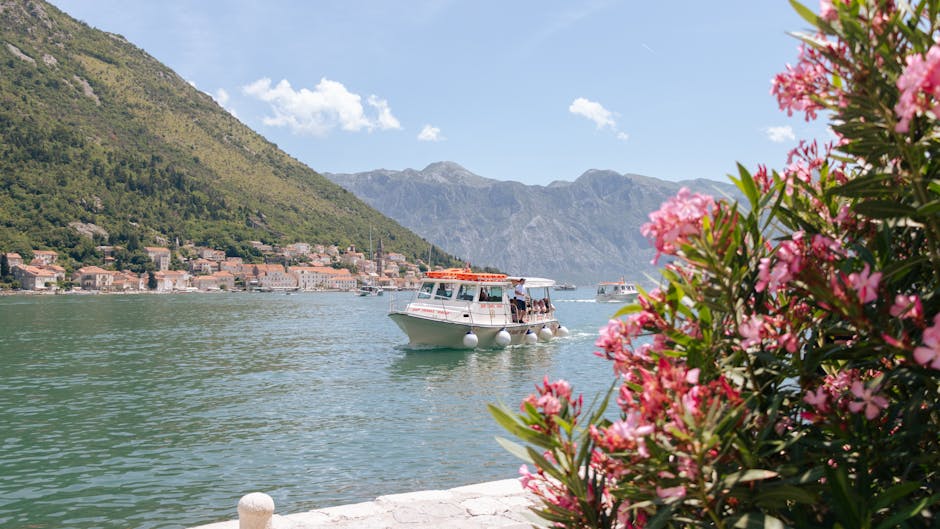
Perast isn’t always well-served by frequent buses; the most convenient way is a water taxi from the Riva. Kotor–Perast crossing: 20–30 min. Water taxi fare: €5.00–€10.00 per person for a crossing; guided boat trips €12.00–€20.00 depending on duration. Visiting Gospa od Škrpjela usually requires a small island entrance fee (about €2.00–€3.00).
Kotor – Podgorica
Duration: 2h30–3h. Fare: €8.00–€12.00. Departures: 3–5 times a day depending on season (morning, midday, afternoon). Buy your ticket at the bus station; for a more comfortable journey choose an “express” service if available. Some routes stop in Nikšić or Cetinje depending on the itinerary.
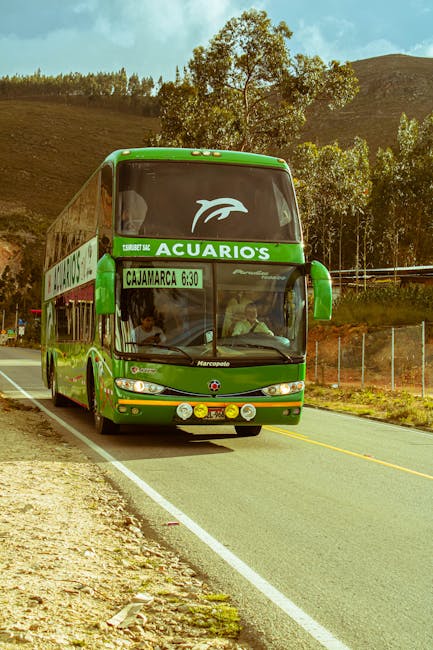
Kotor – Dubrovnik (international route)
Duration: 2h30–3h (including border control). Fare: €15.00–€25.00 depending on operator and season. Documents: passport required, visa if applicable. Timetable: several daily departures in summer; reduced services in low season. Tip: allow extra time for border crossing, especially in summer. Some operators offer direct non-stop trips, others make stops to pick up or drop off passengers.

Local tips, safety, accessibility and how to optimize your travel
Getting around Kotor is generally easy and safe, but here are some locally observed tips:
- Money and payments: carry euros in cash — they’re the most widely accepted. Small expenses (bus tickets, water taxis, snacks) are usually paid in cash. Some companies accept cards for higher-value trips, but don’t rely on it.
- Language and communication: Montenegrin (Serbo-Croatian) is the local language; English is widely understood in tourist areas. Drivers usually know the main town names in English and will often help you find your stop if you say “Budva” or “Tivat airport.”
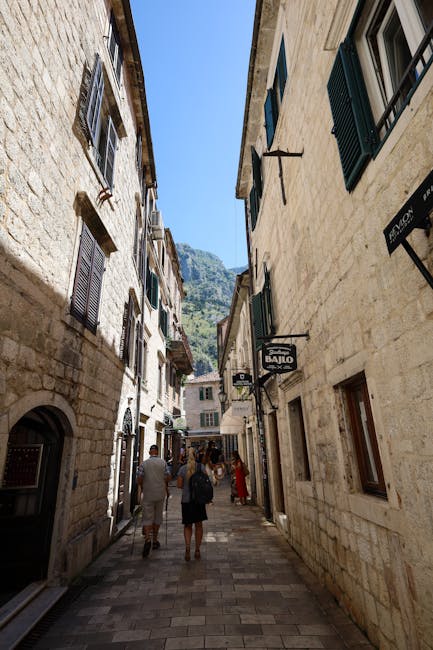
- Accessibility: Kotor’s old town has cobbles and steps (St. John Fort). Piers can be uneven and regional buses often have a high step — if you need accessibility accommodations, contact the company ahead to check for a suitable vehicle.
- Peak times: avoid 09:00–11:00 and 16:00–19:00 if possible during cruise ship arrivals/departures; buses and piers get very crowded.
- Luggage safety: watch your bags on buses and at busy piers; keep important documents and valuables on you.
- Combining bus and boat: to make the most of the bay, use buses for longer distances (e.g. Kotor–Budva) and water taxis for local points of interest (Perast, Gospa od Škrpjela). This cuts travel time and delivers spectacular views.
In an emergency, the European emergency number 112 works in Montenegro. For transport-related assistance the Autobuska stanica Kotor ticket office is a good starting point to get urgent information or rebook a ticket.

Conclusion: Plan ahead, stay flexible and enjoy the bay
Navigating Kotor’s buses and piers takes a little preparation, but the variety of options makes the region very accessible. This guide covered the essentials: the main hub Autobuska stanica Kotor (Jadranska cesta bb, 85330 Kotor), indicative fares in euros for key trips (Kotor–Tivat €2.00–€3.00, Kotor–Budva €3.00–€4.00, Kotor–Podgorica €8.00–€12.00, Kotor–Dubrovnik €15.00–€25.00), and the main piers like the Riva Kotor and the Sea Gate for marine excursions. You now know where to buy tickets, what types of boats to expect, and how to combine bus and boat for a practical and scenic experience.
A few final practical tips: book international or airport links the day before during high season; always keep some cash on you; check the timetables at the bus station (frequencies change between high and low season); and plan around cruise ship arrival times to avoid the heaviest crowds. Above all, savor the moment: a morning bus ride up to the fortress walls of St. John, or a sunset water taxi across the bay, are unforgettable parts of what makes Kotor so special.
Safe travels and happy exploring between the piers and coastal roads: Kotor reveals itself at the pace of its boats and buses, and every trip offers a unique window onto the rugged beauty of the Adriatic coast.