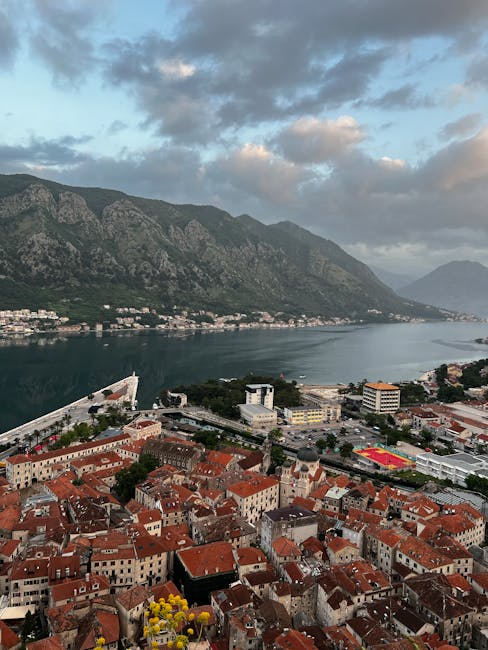
Introduction — Kotor: between sea, mountains and transport choices
Kotor, a medieval gem on the Bay of Kotor (Boka Kotorska), is a must-stop for anyone visiting Montenegro. Its UNESCO-listed old town, steep fortifications and cobbled lanes draw travelers arriving by land, sea or air. Picking the right way to get to Kotor — bus, ferry or taxi — depends on many factors: your starting point (Budva, Tivat, Herceg Novi, Dubrovnik, Podgorica), your budget, how much you value comfort, the size and type of your luggage, and your arrival time. This comprehensive guide helps you compare those options in a practical, down-to-earth way, with exact addresses, indicative prices in euros, typical schedules and local tips to avoid common mistakes.
Kotor is well served by intercity buses, a short scenic ferry crossing across the bay, and taxis or private transfers that offer speed and flexibility. Each option has perks: the bus is cheap and often direct from nearby cities; the ferry is a short, photogenic ride; and taxis are fast, door-to-door and convenient if you have lots of luggage or travel in a group. In this guide we describe departure and arrival points, main bus stations and ferry terminals, full addresses and approximate fares so you can plan your arrival with confidence.
We include typical schedules (keeping in mind they vary by season), prices in euros for easy comparison, visual descriptions to help you imagine the trip, and practical recommendations to save time or money. You’ll also find local tips — where to buy tickets, how to avoid queues during summer cruise peaks, which landing point to favor if you’re staying in the old town, and why booking ahead can make a difference on busy days.
Whether you land at Tivat Airport (Aeroport Tivat, TIV), cross the border from Dubrovnik (Croatia), or are coming from inland Montenegro, this guide will help you choose the best option for your route, budget and appetite for scenery. We’ll illustrate each section with visual markers to help picture the routes and key spots.
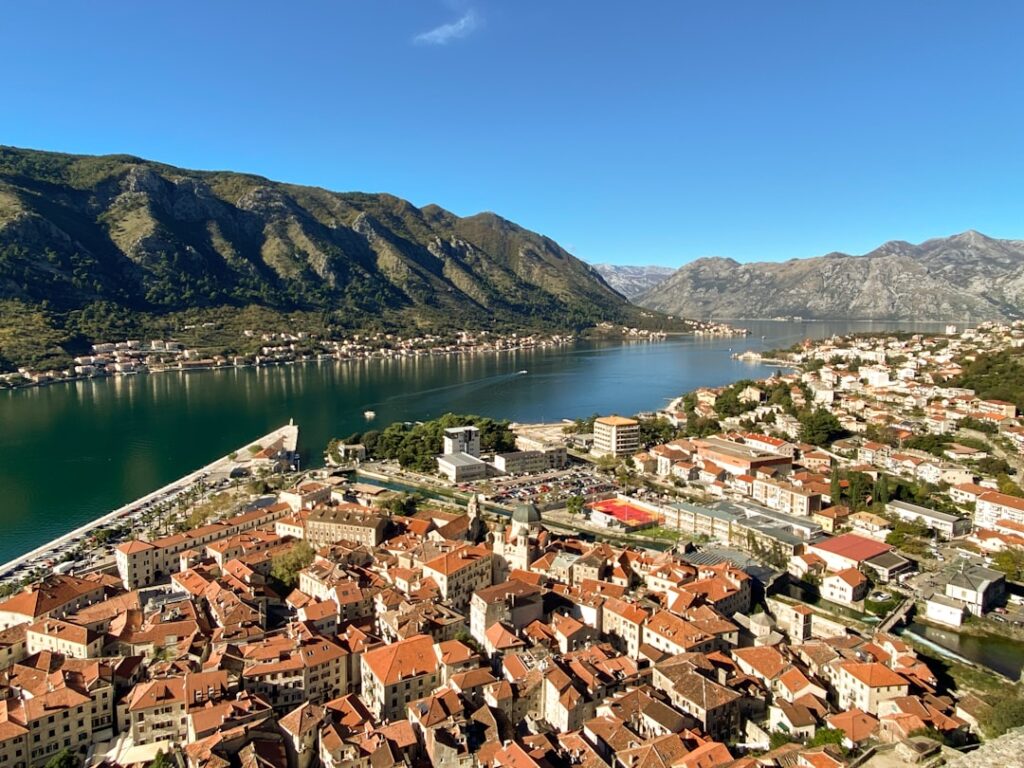
Transport options to Kotor: overview and decision criteria
Before diving into the practical details of each transport mode, it helps to set the decision criteria. Imagining the cool (or sun-warmed) stones of the old town, the curve of the coastal road or a short ferry crossing helps you decide what matters most: cost, travel time, comfort or the view.
Main criteria to consider:
- Budget: The bus is usually the cheapest option (€3–15 depending on distance). The ferry is very affordable for crossing the bay (€1–3 per person; more for vehicles). Taxis and private transfers are the priciest but provide direct service (from around €20 for Tivat–Kotor, €70–100 for Dubrovnik–Kotor).
- Travel time: A taxi from Tivat airport takes 15–25 minutes depending on traffic; from Dubrovnik expect 1h30–2h depending on border crossing. The bus from Budva takes about 25–30 minutes; from Podgorica 1h30–2h. The Lepetane–Kamenari ferry crosses the bay in around 10 minutes, but you must factor in time to reach the terminal.
- Frequency: Intercity buses run often (every 30–60 minutes on popular routes in high season). Lepetane–Kamenari ferries run throughout the day roughly every 30 minutes (seasonal variation applies). Taxis are available 24/7 but you may wait during quiet hours or peak season.
- Accessibility: If you have heavy luggage or mobility needs, taxis are the most practical (door-to-door pickup). Buses often require climbing steps; the ferry involves boarding as a pedestrian or vehicle.
- Travel experience: The ferry provides a memorable, photogenic maritime experience across the bay; the coastal road by car or bus offers dramatic views but can be winding.
Practicalities and safety: local schedules can change between seasons; winter timetables are usually less frequent. Bus tickets are bought at the station window, from drivers, or via local websites/apps. For the ferry you can often buy tickets at the terminal ticket office. For taxis, agree a fixed fare or use a prepaid transfer service to avoid surprises.
Key addresses for planning:
- Kotor Bus Station (Autobuska stanica Kotor) — Address: Stari Grad bb, 85330 Kotor, Montenegro. Main arrival/departure point for most intercity buses.
- Lepetane Ferry Terminal — Address: Lepetane, 85320 Tivat, Montenegro. Small port on the Herceg Novi/Lustica side for crossings to Kamenari.
- Kamenari Ferry Terminal — Address: Kamenari, 85331 Herceg Novi, Montenegro. Opposite terminal serving the southern coastal road toward Herceg Novi or directly to Kotor via the coast.
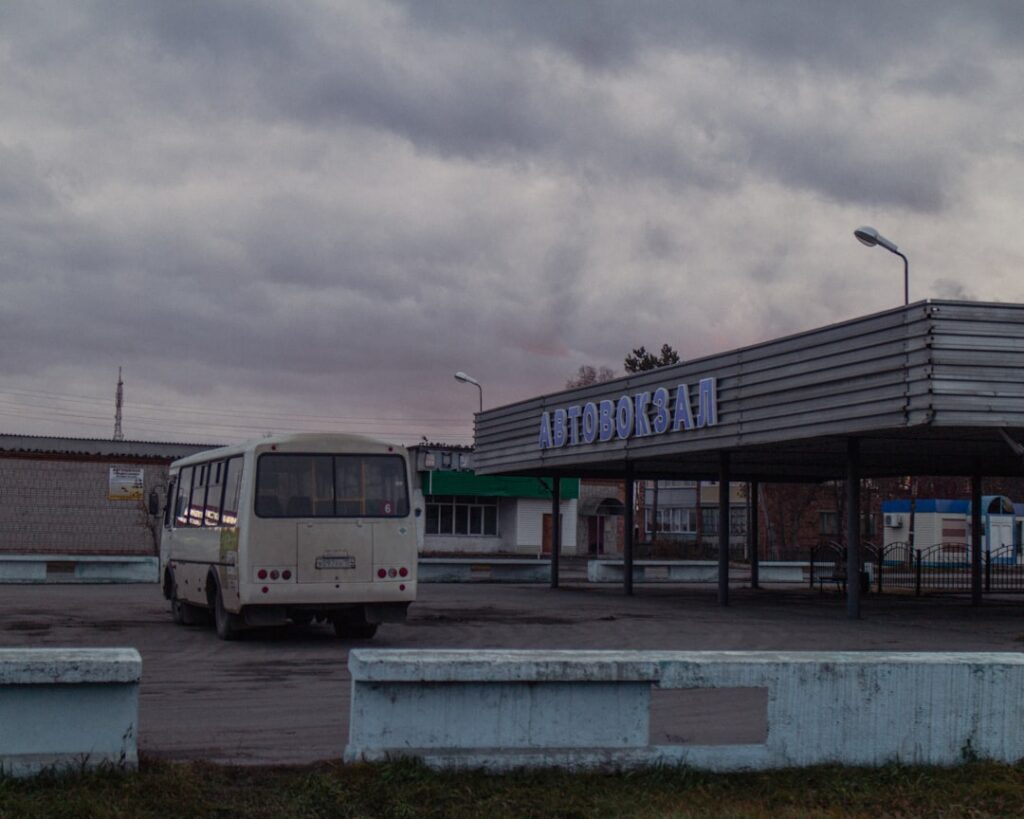
Buses to Kotor: stations, main lines, fares and practical tips
The bus is the most used option by budget travelers and those who like integrating with the local transport network. The main bus station is Autobuska stanica Kotor, located in the old town near the port: exact address Stari Grad bb, 85330 Kotor, Montenegro. This is where most intercity lines stop or start. Ticket offices open early; seasonal service generally runs from 06:00–22:00.
Popular lines and typical schedules:
- Budva — Kotor: frequent departures, usually every 30–60 minutes between 06:00 and 22:00. Travel time: 25–35 minutes. Price: €3–4 per person.
- Tivat (Tivat Airport) — Kotor: local buses and airport shuttles. Travel time: 20–30 minutes. Price: €2–4 depending on shuttle or local bus. A Tivat–Kotor bus also departs from Tivat Bus Station (Address: Tivat Bus Station, Trg Sava Kovačevića 1, 85320 Tivat, Montenegro).
- Herceg Novi — Kotor: lines run along the north shore of the bay; frequency is lower in low season. Duration: 45–60 minutes. Price: €4–6.
- Podgorica — Kotor: long-distance buses run 4–6 times a day in high season; duration: 1h30–2h depending on route. Price: €6–12.
- Dubrovnik (Croatia) — Kotor: several companies run direct seasonal buses; travel time including the border crossing: 1h30–2h. Price: €10–20 depending on season and comfort (tourist lines can be pricier).
Where to buy tickets: buy at the Kotor bus station ticket office (Stari Grad bb), directly from the driver for local lines, or via tourist vendors. For international routes (e.g. Dubrovnik), book online or at the ticket office the day before in high season. Montenegrin buses don’t always require electronic validation; keep your proof of purchase until the end of the trip.
Comfort and accessibility: Intercity buses are generally modern but can be crowded in summer. Air conditioning isn’t always powerful; bring a water bottle. If you travel with a bike or oversized luggage, inform the driver — small extra fees may apply (€1–3). Buses often stop en route: they’ll pick up local passengers in villages.
Local tips:
- Arrive 15–20 minutes early in high season to avoid queues.
- If traveling early morning or late at night, check the last bus—frequency drops off in low season.
- Carry cash (euros) for station purchases; some small stations don’t accept cards.
- For a drop-off directly in the old town, ask the driver to let you off near the port or the main gate to the city walls.
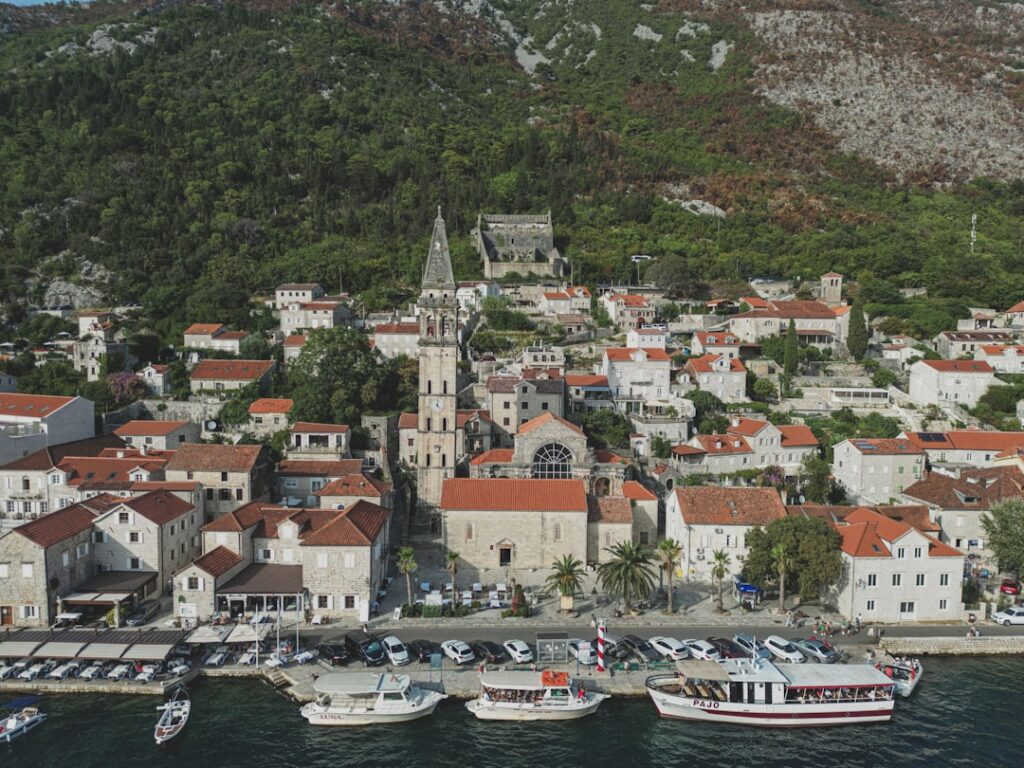
Lepetane–Kamenari ferry: short crossing, scenery and fares
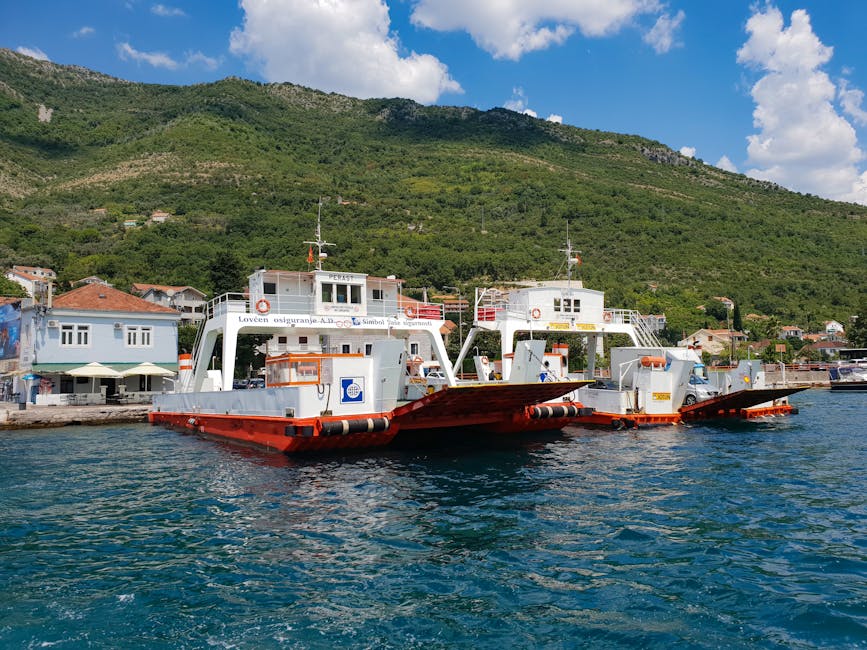
The ferry crossing between Lepetane and Kamenari is an iconic and very practical way to cross the Bay of Kotor without driving the long coastal detour. This short crossing — often under 10–12 minutes — is served by car and pedestrian ferries. The two main terminals are Lepetane Ferry Terminal (Address: Lepetane, 85320 Tivat, Montenegro) and Kamenari Ferry Terminal (Address: Kamenari, 85331 Herceg Novi, Montenegro).
Schedules and frequency: in high season (May–September) ferries run frequently, generally every 30 minutes during the day. In low season, frequency drops (every 45–90 minutes depending on the day). Many ferries operate from early morning until evening; some maintain late-night crossings but less often.
Indicative fares (in euros):
- Pedestrians: €1.00–€1.50 per person.
- Private car: €4–€6 (depends on vehicle size and season).
- Motorcycle: €1.50–€2.50.
- Commercial vehicle / bus: variable fares, generally €8–€20 depending on length.
Payment is made at the terminal ticket office or to the ferry staff; some places accept cards, but it’s wise to carry change in euros. Car queues can be long in summer, especially on weekends and market days. Boarding is usually first-come, first-served; private vehicle reservations are uncommon for most crossings.
Experience and photography: the crossing brings you close to the calm waters and the mountains surrounding the bay — a perfect photo moment. If possible, go up to the upper deck (when accessible) to feel the breeze and capture the light on the water. Watch out for gusts in autumn/winter and bring a windproof layer.
Local tips:
- If you travel by car, arrive at the terminal 20–30 minutes early in high season to secure a spot in the queue.
- If you’re a pedestrian, plan your transfer to the terminal: it’s usually a 15–25 minute taxi ride from Kotor; a local bus may serve Lepetane depending on the schedule.
- In rough seas ferries can be delayed; allow extra time if you have a flight or another ferry connection to catch.
Taxi and private transfers: addresses, fares, bookings and safety tips
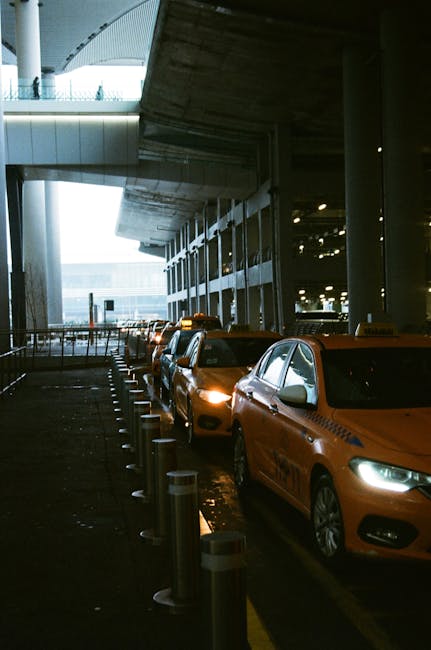
A taxi or private transfer is the simplest door-to-door option, especially if you arrive with heavy luggage, in a group or late at night. Official taxis are regulated and many private transfer companies also offer prepaid services. The fares below are indicative and vary by season, vehicle size and company.
Sample journeys and approximate fares (in euros):
- Tivat Airport (Aeroport Tivat, 85320 Tivat) — Kotor: €20–30, duration 15–25 minutes.
- Budva — Kotor: €25–30, duration 25–40 minutes.
- Dubrovnik (airport or city center) — Kotor: €70–100, duration 1h30–2h (border crossing included).
- Podgorica (Golubovci Airport) — Kotor: €80–100, duration roughly 1h45–2h15 depending on route and traffic.
- Kotor port (old town quay) — hotels in the old town: usually €3–8 for very short in-town runs.
Companies and useful contacts (examples):
- Taxi Kotor — central stand near the Old Port, Kotor. Local phone (example): +382 32 322 322 (check the current local number when booking). Taxis are often parked beside the port quay.
- Taxi Tivat — stand at Tivat Airport, address: Aerodrom Tivat, 85320 Tivat, Montenegro. Stands and services often run 24/7.
- Prepaid private transfers — many online agencies offer airport or port pickups; book by email or via their site (fixed rate guaranteed, often pricier but handy for late arrivals).
Safety and best practices:
- Always ask the driver to start the meter or agree a firm price before departure. Official taxis typically use a meter, but long-distance fares are often negotiated in advance.
- Check that the vehicle is properly licensed and that the driver displays identification or a visible permit. Prefer companies recommended by your hotel or recognized transfer agencies.
- For border crossings (e.g. Dubrovnik–Kotor), confirm whether additional fees apply for border formalities; choose a transfer that includes assistance at controls if you want to avoid queues or language issues.
Money-saving tips:
- Share rides: a shared transfer or taxi for 3–4 people often costs less per person than multiple bus tickets.
- Book ahead in high season to secure availability and better rates. Prepaid transfers offer a fixed price and peace of mind, especially for late-night flights.
- If you have bulky luggage, specify the vehicle size when booking (estate car, SUV or van) to avoid extra charges on the day.
Practical comparison and local tips to pick between bus, ferry and taxi
It’s helpful to summarize the pros and cons of each option by traveler profile. Here’s a mental checklist to guide your choice.
- Bus — best for budget-conscious, independent travelers: great value, high frequency on main routes, chance to mingle with locals. Downsides: less flexibility, baggage handling, sometimes crowded at peak times. Practical example: Budva → Kotor by bus for €3–4, departures every 30–60 minutes, ~30 minutes travel time.
- Lepetane–Kamenari ferry — best for photographers and drivers: short scenic crossing (€1–2 per foot passenger, €4–6 per car) that avoids the long coastal detour. Downsides: vehicle queues in high season and you may need a transfer to reach the terminal from Kotor.
- Taxi/private transfer — best for comfort, luggage and saving time: door-to-door service, full flexibility, ideal for airports and late arrivals. Downsides: higher cost (€20–100 depending on origin). Recommended for small groups or families.
Concrete scenarios:
- If you land at Tivat airport alone or as a couple, take a taxi (€20–30) if you have lots of luggage or arrive late. If you’re light and want to save, take the bus (€2–4).
- If you’re coming from Dubrovnik, weigh the direct bus (€10–20, convenient) against a private transfer (€70–100, faster and more comfortable — good for families).
- If you’re driving the coast, the Lepetane–Kamenari ferry (€4–6 per car) saves time and rewards you with excellent bay views.
Final local tips:
- In high season, expect queues at terminals and book ahead when needed.
- Always carry some euros in cash for small purchases, ferry tickets and taxis that don’t accept cards.
- For international trips, allow extra time for border crossings (especially Dubrovnik–Kotor).
- Ask your hotel if they provide a shuttle — many hotels in Kotor offer paid transfers at competitive rates.

Conclusion — which option for your arrival in Kotor?
Choosing between bus, ferry and taxi to reach Kotor depends mainly on your priorities: budget, comfort, time and the kind of experience you want. For budget-minded travelers wanting to soak up local life, the bus is an excellent choice — affordable, frequent and easy to book on the spot. If you prefer a short, scenic drive and are in a car, the Lepetane–Kamenari crossing is a near-ritual, economical and quick way to enter the maritime atmosphere of the Bay of Kotor. Finally, taxis or private transfers are tailor-made for late arrivals, families and visitors with lots of luggage: costlier but unmatched for comfort and simplicity.
When planning, take the season into account: high season (May–September) brings more travelers, queues and fuller timetables, while low season reduces bus and ferry frequency — making taxis relatively more appealing despite their price. Always check updated schedules before departure: this guide gives time windows and indicative fares (Budva–Kotor bus €3–4, Lepetane–Kamenari ferry €1–6, Tivat–Kotor taxi €20–30), but companies and weather can cause changes.
Finally, for a stress-free arrival: keep some euros in cash, note your hotel’s exact address (taxi drivers appreciate precise directions), and if photography matters to you, favor the ferry crossing or a daytime coastal drive to catch the best light on the bay. Kotor is worth the effort: whichever way you arrive, the approach to the old town — framed by sea and mountains — will always leave a powerful first impression of your Montenegro stay.