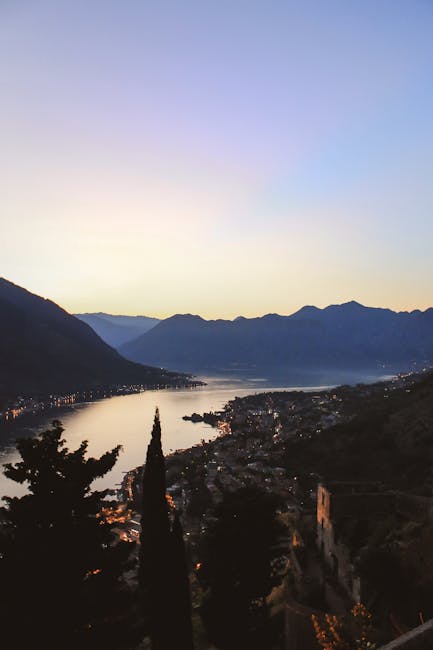
Introduction: Why consider alternatives to hostels in Kotor
Kotor, the jewel of the Bay of Kotor (Boka Kotorska), draws travelers from around the world with its maze of medieval streets, impressive city walls and mountain panoramas plunging into the Adriatic. Many visitors stay just a night or two and opt for the quick, budget-friendly hostel. But if you want a more authentic, independent, quieter or economical longer-term experience, there are solid alternatives: renting an apartment, camping and Couchsurfing. These options help you soak up local life, save smartly and enjoy private space — a balcony overlooking the bay, a kitchen to cook fresh fish from the market, or a little terrace opening onto the old town.
This practical guide, aimed at solo travelers, couples and families alike, explores these three alternatives in detail. You’ll find concrete examples of apartments and neighborhoods to rent in, recommended campsites and how to camp legally and comfortably, plus practical tips for using Couchsurfing in Kotor safely. For each option we provide clear addresses, price ranges in euros, opening hours and local tips to make the most of your stay: where to shop, where to park, which markets to visit for cheese and olive oil, and how to avoid peak tourist times in the old town.
Alternatives to the hostel suit different needs: a self-contained studio for remote work with reliable internet, a budget campsite to enjoy nature and hidden coves, or a local host via Couchsurfing for cultural exchange and tailored recommendations. We describe apartments located both in the old town — convenient to be at the heart of history but potentially noisy — and in the residential neighborhoods of Dobrota and Prčanj, where calm and bay views are exceptional.
Finally, this guide includes practical tips: how to negotiate for a long stay (weekly or monthly discounts), off-season versus high-season rates, local rules about wild camping, and precautions to take with Couchsurfing (profile verification, prior communication, meeting in public places). Whether you’re planning a long weekend or several weeks, these alternatives will help you experience Kotor differently — with more privacy, flexibility and a deeper sense of place.
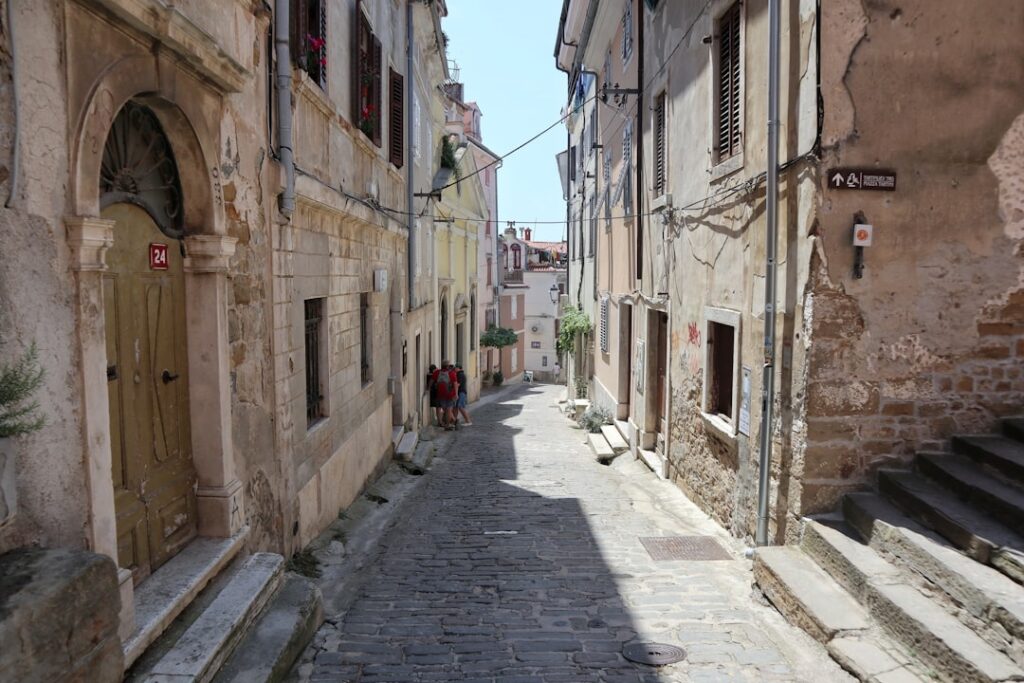
Apartments in Kotor: where to stay, addresses, budgets and practical tips
Renting an apartment in Kotor is probably the best alternative for travelers seeking autonomy and comfort. Apartment types vary: studios for one person, one-bedroom flats for couples, and larger family units with two or three bedrooms. There are three main areas: the old town (Stari Grad), the Dobrota waterfront and the village of Prčanj. Each offers different advantages in atmosphere, access and price.
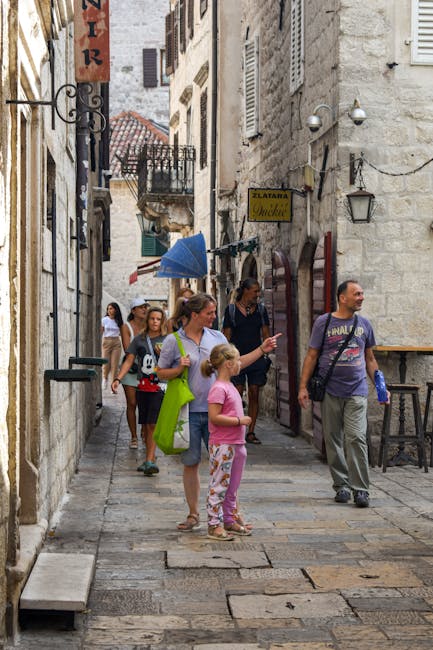
– Stari Grad / Old Town: staying here means you’re steps from historic sites (Cathedral of Saint Tryphon, Trg od Oružja). Pro: immediate proximity to restaurants and museums. Con: narrow streets, some units don’t have windows facing the street, and parking isn’t always available. Examples:
- Apartment Old Town View, Stari Grad 58, 85330 Kotor — indicative price: €60–120/night in high season, €35–60/night off-season. Small units with kitchenette, balcony overlooking a medieval alley. Often accessed by stairs. Book via Airbnb/Booking recommended.
- Studio Trg od Oružja, Trg od Oružja 2, 85330 Kotor — indicative price: €50–100/night. Very central, useful for short stays of 1–3 nights. Internet quality varies by building; ask about speed before booking (generally 3–20 Mbps).
– Dobrota: this residential area along the coast offers lovely apartments with bay views, local beaches and promenades. It’s a good balance of calm and quick access to Kotor (5–10 minutes by bus or car).
- Apartments Villa Palma, Dobrota bb, 85330 Dobrota, Kotor — price: €45–90/night, suites with balconies overlooking the bay. Address often listed as Dobrota bb (bb = no exact number), but hosts provide an exact meeting point by message. Amenities: air conditioning, equipped kitchen, private parking on request (€5–10/day).
– Prčanj and Morinj: quieter villages, ideal for longer stays and travelers with a car. Prčanj is 6–8 km south of Kotor, reached via a scenic road. Apartments here often include parking and gardens.
- Seaside Apartment Prčanj, Prčanj 12, 85330 Prčanj, Kotor — price: €40–80/night, often a weekly discount from 7 nights (5–15% off). Easy to reach by car; local bus runs 8–10 times daily to Kotor.
Practical tips before booking:
- Check for extra fees: cleaning fees (€5–30), tourist tax (€0.50–2/day depending on season and municipality), security deposit.
- For month-long stays, negotiate: many hosts offer discounts (10–30% depending on length and season).
- Ask for the exact address and arrival instructions (some old town addresses are tricky: deliveries via Trg od Oružja then a walk uphill).
- Arrival times: most hosts allow check-in between 14:00 and 20:00; ask if you arrive late. Check-out is usually before 10:00–11:00.
Camping around Kotor: recommended campsites, wild spots and regulations
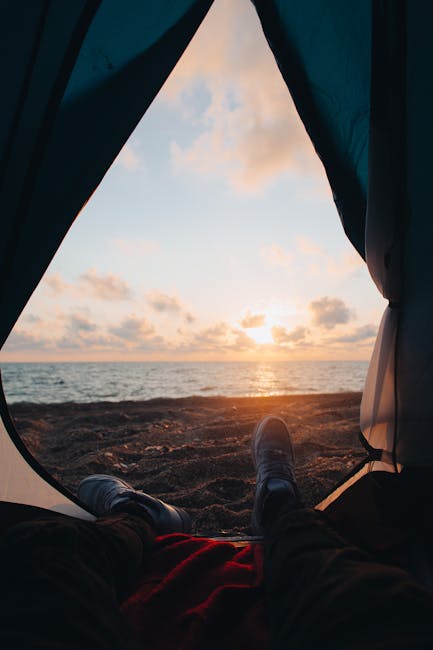
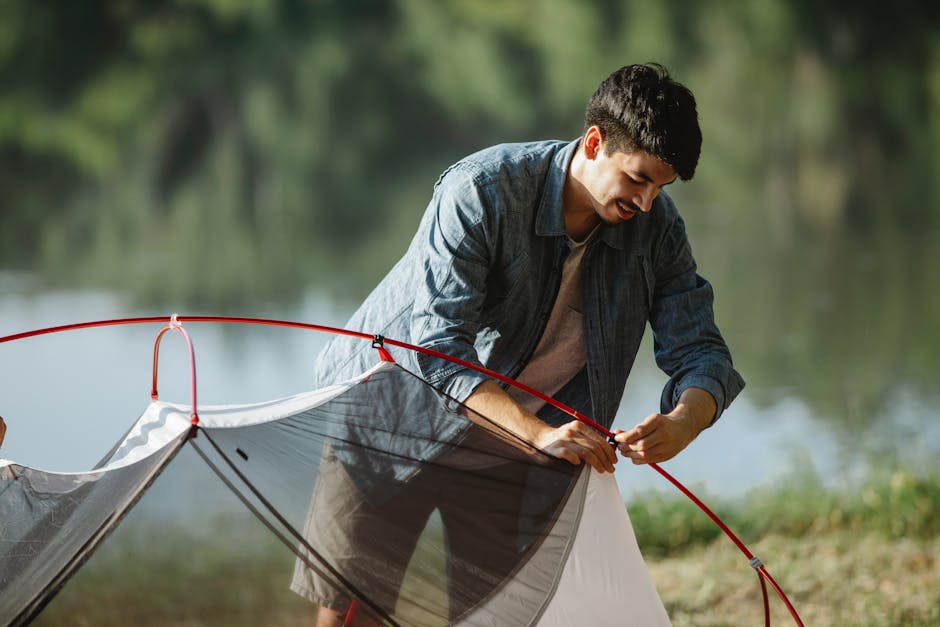
Camping is a great option for nature lovers, hikers and budget-conscious travelers. Areas around the Bay of Kotor offer established campsites as well as wild camping possibilities, but local regulations and environmental respect are essential. In Montenegro, wild camping (bivouacking outside designated areas) is tolerated in some remote spots but prohibited in national parks and near houses; it’s best to use official campsites or designated areas.
Recommended campsites and practical info:
- Camping Kumbor (Camp Montenegro), Kumbor 85320 Herceg Novi — located about 20 km from Kotor, at the northern entrance to the bay. Phone: +382 31 655 000 (check locally). Prices: tent pitches €10–18/night, caravan pitches €12–25/night, bungalow hire €50–90/night. Reception hours: 08:00–20:00 in season. Facilities: hot showers (€0.5–1), washing machine (€3–5), small grocery shop. Access by car: A-highway then coastal road. Book ahead in high season (July–August).
- Auto Kamp Jaz (near Budva), Jaz bb, 85310 Budva — although 35–45 minutes from Kotor, popular for beaches and summer concerts. Prices: €12–25/night depending on pitch. Very busy in July/August.
Spots close to Kotor:
- Risan Bay parking & bivouac, Risan (near Muo), 85332 Risan — some travelers pitch tents on authorized plots near the shore; check with Kotor municipality. Prices: typically €5–15/night if run by a local operator, otherwise tolerance varies. Tips: don’t leave trash, avoid open fires, respect private property.
Practical camping tips:
- Equipment: bring a good sleeping bag (nights can get chilly outside summer), a portable stove, water reserve and a headlamp. Electricity isn’t guaranteed at every pitch.
- Safety: keep valuables in your car or on you; secure your tent where possible. Let a local host or campsite reception know if you plan to arrive late.
- Transport: if camping outside Kotor, check bus times or have a car ready. Taxi from Kotor to nearby campsites: €15–30 depending on distance.
- Environmental respect: pack out all waste, avoid damaging vegetation and keep noise down at night (especially near houses or other campers).
Couchsurfing in Kotor: free stays, safety and tips for genuine local encounters
Couchsurfing is an attractive option for travelers who want to meet locals, save on accommodation and live Kotor in an authentic way. The platform (Couchsurfing.com) lets you contact hosts who offer a couch, a spare room or simply a meetup. In Kotor the community is smaller than in major European cities, but several locals — students, young families or retirees — do host travelers. Success depends on a strong profile, clear communication and respect for hosting etiquette.
Securing a Couchsurfing stay:
- Profile: complete an honest profile, add photos, describe your travel plans and personality. References (verifications) and recommendations make hosts more likely to accept you.
- Personalized messages: send specific, tailored requests to each host; explain why you want to stay with them and what you can offer (help in the kitchen, language exchange, small tasks).
- Safety: prefer hosts with several positive, verified references. Arrange an initial public meeting (a coffee in the center) if the host suggests it. Always tell a trusted person the address where you’ll be staying.
Examples and good practices:
- Evening at a Dobrota local’s home: dinner with a Montenegrin family, learning local songs, tips on secluded coves to visit. Exchanges often include a home-cooked meal and personalized restaurant tips (burek, ćevapi, freshly grilled fish).
- Cultural exchange: offer to teach a language, bring a small local gift from your country (a tiny bottle of olive oil, chocolate) or cook a dish from your region. These gestures help build lasting connections.
Logistics:
- Arrivals: tell your host your exact arrival time (taxi from Tivat Airport costs €20–40, Podgorica €60–100 depending on distance and passengers).
- Public transport: Kotor is served by regional buses (local companies); a Tivat–Kotor trip costs around €1.5–3. Ask your host for morning/evening timetables because frequency drops after dark.
- Length of stay: respect the host’s rules (1–3 nights typically); if you want to stay longer, offer to contribute (groceries, help with chores) rather than overstaying for free.
Comparing the options: budget, comfort, immersion and accessibility
Choosing between an apartment, camping and Couchsurfing depends on four main criteria: budget, comfort, level of cultural immersion and ease of access to Kotor’s attractions. Here’s a practical comparison to help you decide.
Budget:
- Camping: cheapest short-term — €10–25/night for a pitch (tent), sometimes less off-season. Ideal for travelers with gear and flexibility.
- Couchsurfing: potentially free, but expect to offer time, exchanges or small gifts. Additional costs: transport, food, occasional contributions.
- Apartment: €35–120/night depending on area and season; for a month expect €600–1,500 depending on size and location. Higher cost but optimal comfort and autonomy (kitchen, laundry).
Comfort:
- Apartment: best comfort (private bathroom, kitchen, comfortable bed). Great for families, remote workers and long stays.
- Camping: comfort varies with personal gear and campsite facilities (paid showers, limited electricity).
- Couchsurfing: comfort depends heavily on the host — can be variable (sofa bed, spare room). Human connection is the real added value.
Cultural immersion and accessibility:
- Couchsurfing: maximum immersion — you learn daily life, get exclusive tips and participate in everyday routines.
- Apartment: moderate immersion — you can live like a local if you shop at markets and use small stores; interaction depends on your initiative.
- Camping: immersion in nature and outdoor activities (hiking, kayaking), but less daily contact with locals except at small family-run campsites.
Final tips for choosing:
- For a short stay (2–4 nights): choose a central apartment or Couchsurfing for a quick local experience.
- For a longer stay (more than a week): apartments in Dobrota or Prčanj offer a good balance of comfort and cost.
- For active travelers: camp near hiking trails (e.g. Lovćen National Park nearby) and alternate with nights in an apartment to wash and dry clothes.
Practical local tips: transport, food, safety and recommended spots
A few practical tips and precise addresses to get the most out of your stay in Kotor, whatever your accommodation choice:
Transport:
- Local buses Kotor–Tivat–Budva: frequent stops, fares €1.5–5 depending on distance (buy tickets from the driver or at kiosks at the Kotor bus station, address: Bus Station Kotor, 85330 Kotor, near Trg od Oružja). Hours: 05:30–22:00 in season, reduced frequency off-season.
- Taxi Kotor – Old Town to Tivat Airport: approx. €25–40 (negotiable). Local companies: Taxi Kotor +382 69 123 456 (example local contact — confirm when booking).
Food and markets:
- Green Market Kotor (Local Market), Stari Grad 4, 85330 Kotor — fresh local produce: cheese, vegetables, fish. Hours: 07:00–14:00 (best in the morning).
- Konoba Stari Mlini (restaurant), Dobrota bb, 85330 Dobrota — great for grilled fish and local specialties; price range: €10–25/person. Hours: 11:00–23:00.
Safety and health:
- Pharmacy (Apoteka Kotor), Njegoševa 8, 85330 Kotor — hours: 08:00–20:00 weekdays, 09:00–13:00 Saturday. For medical emergencies, the nearest public hospital: General Hospital Kotor, Dobrota bb, 85330 Kotor — phone: +382 32 322 000 (call ahead for instructions).
- General safety: Kotor is a safe town, but use normal precautions (keep bags closed, avoid displaying valuables). Keep a copy of your documents and an electronic backup.
Useful services:
- Tourist Information Kotor, Trg od Oružja 2, 85330 Kotor — hours: 09:00–17:00 (high season 08:00–20:00). They provide maps, bus timetables and info on guided tours (rates and times vary).
- Currency exchange and ATMs: banks and ATMs are available near the old town (fees vary; check the rate).
Conclusion: picking the alternative that suits you in Kotor
Kotor offers a range of accommodation options well beyond the traditional hostel. Apartments suit travelers seeking autonomy, comfort and the chance to live like a resident, with prices that vary by location and season; the neighborhoods of the old town, Dobrota and Prčanj cater to different needs and help you find a balance between authenticity and convenience. Camping is ideal for nature lovers and tight budgets: official campsites around the bay provide basic infrastructure (showers, electricity, small shops) while wild camping should be done respectfully and cautiously, following regulations and protecting the environment. Finally, Couchsurfing opens a door to local life, meaningful encounters and cultural exchange, provided you follow safety rules and etiquette.
Before deciding, weigh your priorities: are you after peace and a view (choose Dobrota/Prčanj), full immersion (Couchsurfing), contact with nature (camping), or comfort for work and cooking (apartment)? Also think about logistics: transfers to Tivat or Podgorica airports, taxi costs and bus availability, parking needs if you rent a car. For long stays, negotiate discounts and check hidden fees (cleaning, deposit). Also be aware of local opening hours — many shops close in the mid-afternoon for a short siesta off-season, and tourist attractions may have extended hours in high season.
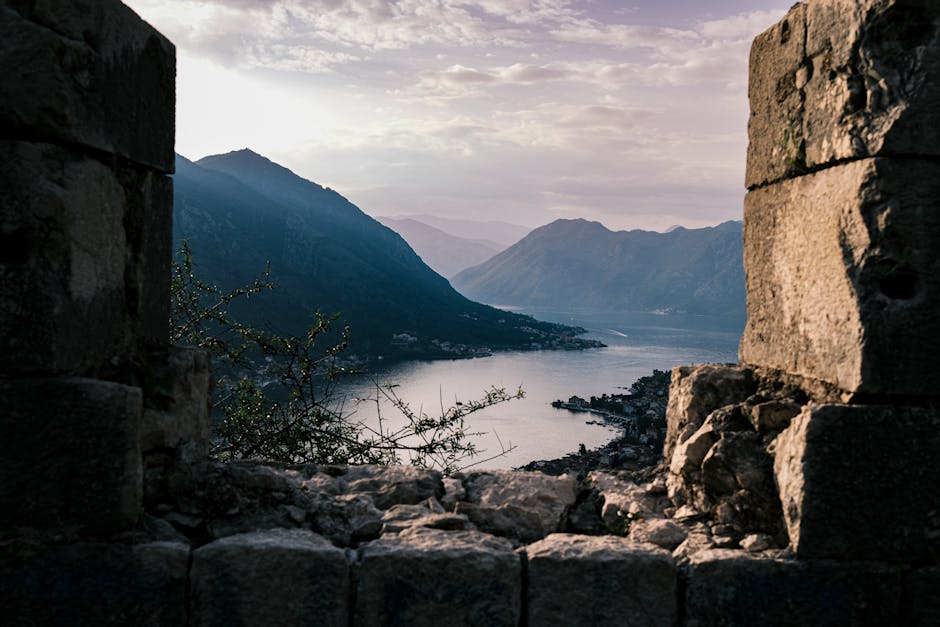
By combining these options (for example, an apartment for comfort with one or two nights camping for adventure, or a week of Couchsurfing followed by an apartment for stability), you can craft a tailor-made trip that maximizes immersion, savings and comfort. Kotor deserves to be explored at your own pace: drink a coffee at Trg od Oružja at sunrise, climb the walls for sunset panoramas, or fall asleep to the sound of waves in Dobrota. Whether you choose an apartment, a tent or a local’s couch, respect the place, the people and the environment — that’s how you’ll bring home the best memories of the Bay of Kotor.