Introduction — Why these 8 lesser-known Kotor spots deserve your attention
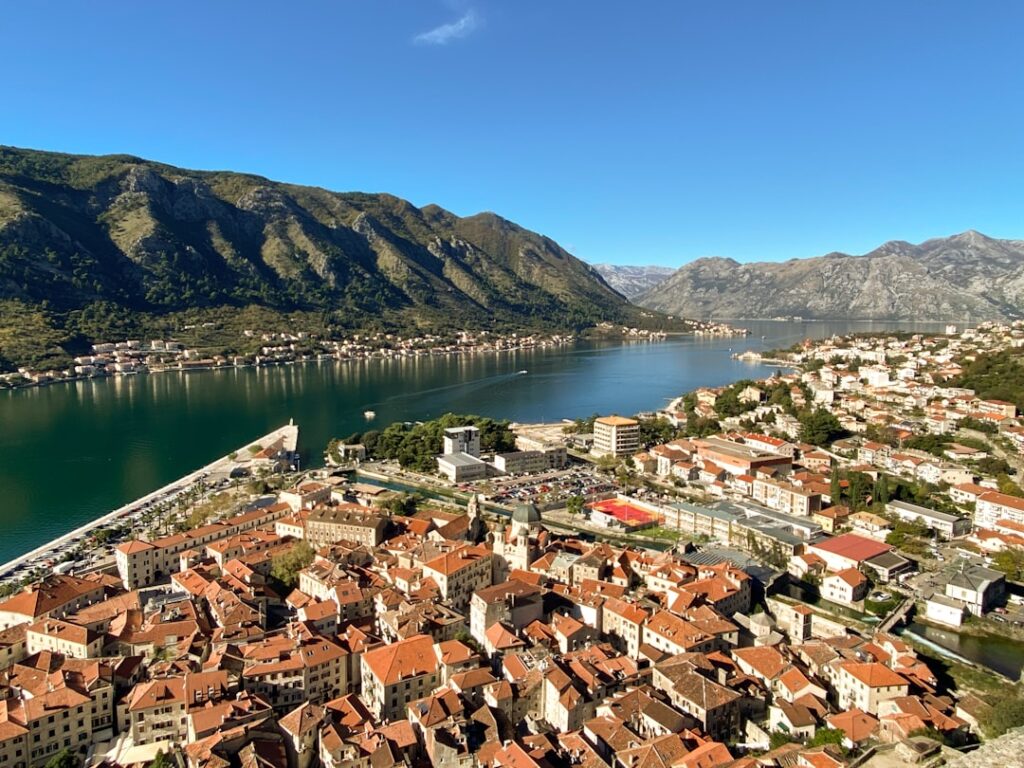
Kotor, tucked into the eponymous bay on Montenegro’s Adriatic coast, is often reduced to images of its fortified Old Town, St. Tryphon Cathedral and the views from St. John Fortress. Yet behind those tourist icons lie quieter sites, forgotten alleys and secret viewpoints that tell the social, maritime and military story of the region with rare intimacy. This article presents the “8 hidden Kotor gems that guidebooks overlook,” chosen for their authenticity, heritage value and ability to offer a different — slower, more immersive — experience of Kotor Bay.
You’ll find precise practical information here: full place names, exact addresses (where available), prices in euros and opening times, plus vivid visual descriptions and local tips to make the most of each visit. Some of these spots sit squarely inside the Old Town (Stari Grad), others up on the heights or along the shoreline; all are reachable by foot, boat or a short hike. The goal is twofold: help savvy visitors escape the crowds and encourage more sustainable tourism by spreading interest to lesser-visited sites.
The addresses given are as precise as possible (streets, squares or embarkation points), and prices are listed in euros according to the latest information at the time of writing. Opening hours — which can vary by season (high season: June–September, low season: October–May) — are noted so you can plan your days without surprises. Finally, each section includes one or two local tips — how to avoid queues, when the light is best for photos, which footwear to favor, and even which local café to head to afterward.
Image markers are inserted at the most visual spots to help you picture each place before you go. Use them to search for royalty-free photos on image banks (Pexels, Unsplash, Pixabay) if you’re putting together an album or printed guide.
1. St. Luke’s Church (Crkva Svetog Luke) — A Byzantine treasure on Ars Square
Full name: St. Luke’s Church (Crkva Svetog Luke)
Address: Trg Svetog Luke (Saint Luke Square), Stari Grad, 85330 Kotor, Montenegro
Opening hours: generally open 09:00–17:00 (high season), 10:00–15:00 (low season). May be closed for religious ceremonies. Check locally at the town hall or Kotor tourist office.
Price: free entry; suggested donation €1–3 for upkeep.
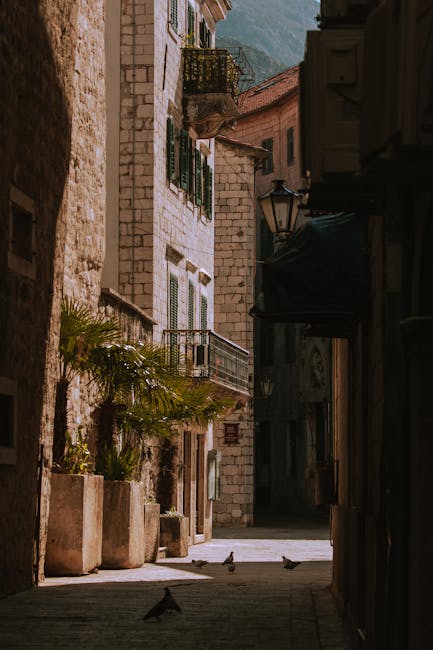
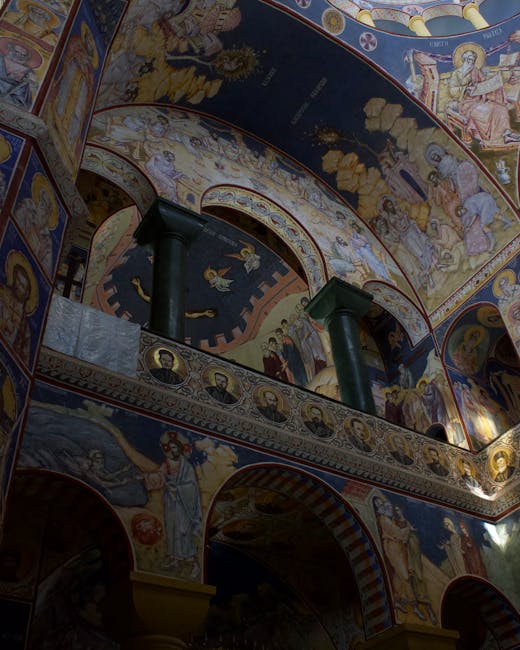
Description: Perched on one of the quieter squares in the Old Town, St. Luke’s is an outstanding example of late Byzantine architecture flavored by Venetian influence. Its modest bell tower, partially restored interior frescoes and time-worn stone speak of a maritime community that, over centuries, hosted merchants, priests and sailors. The church is often overlooked because it doesn’t appear on quick itineraries: most visitors rush to St. Tryphon Cathedral and the North Gate. But those who take a few minutes to sit inside will find an almost silent space ideal for contemplation.
Local tips: Arrive in the late afternoon for soft light filtering through the windows; amateur photographers will appreciate the warm tones on the stone. On your way out, cross the square for a coffee at Café Luža (address: Luža Square, Stari Grad) — a favorite with Kotor regulars.
2. Gurdić Tower (Kula Gurdić) — Small fort, big stories
Full name: Gurdić Tower (Kula Gurdić / Gurdić Tower)
Address: Gurdićev Trg, Stari Grad, 85330 Kotor, Montenegro (inside the Old Town, near the North Gate)
Opening hours: visible from the outside 24/7; interior access and occasional exhibits: 10:00–16:00 depending on local events.
Price: interior access during events or exhibitions €2–5; private guided visits possible from €20.
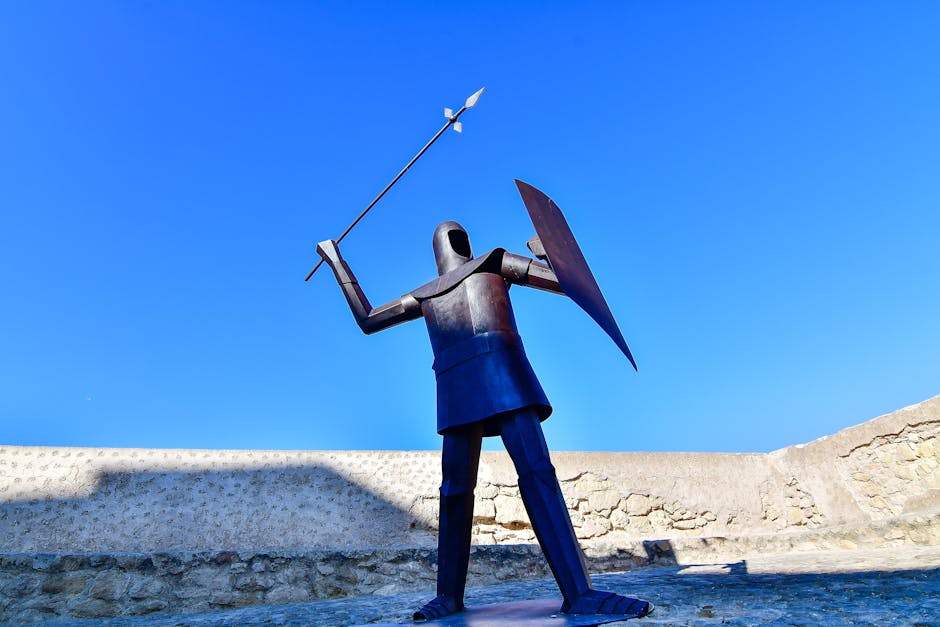
Description: Gurdić Tower is a small but sturdy medieval structure often overshadowed by the larger walls. It’s part of the urban defense network and features interesting architectural details: gun slits, alcoves and carved stones. It’s a great spot to understand Kotor’s defensive layout on a human scale — you get a sense of how daily security protected shops and homes, not just castles and cathedrals.
Local tips: Ask locals or the small municipal museum if there’s an exceptional opening; sometimes craft workshops or mini-concerts are held there. If you love architecture, inspect the stone joints: some bear stonemasons’ marks dating from the 15th–17th centuries.
3. Secret terrace at the Maritime Museum of Kotor — A discreet port panorama
Full name: Panoramic terrace of the Maritime Museum of Kotor (Pomorski Muzej Kotor terrace)
Address: Trg od Oružja 1, Stari Grad, 85330 Kotor, Montenegro (Maritime Museum of Kotor)
Museum hours: Maritime Museum: 09:00–19:00 (June–September), 10:00–16:00 (October–May). Terrace accessible during museum hours or on request.
Price: Maritime Museum: €5 (adult fare, high season); reduced rates €2–3 for students/seniors. Terrace access is often included in the museum ticket; ask at reception.
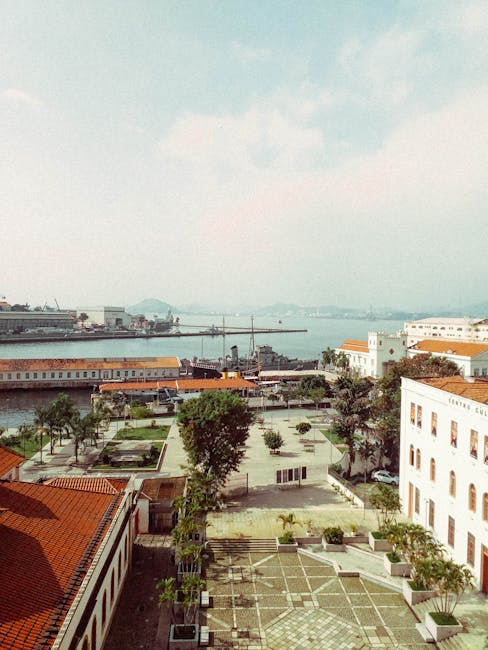
Description: Located above the rooms displaying ship models, navigation instruments and archival material, this small terrace offers one of the most intimate perspectives on Kotor’s harbor and the maritime life that animates it. Unlike the more famous viewpoints (St. John Fortress), the terrace is rarely crowded and lets you watch fishing boats and yachts setting off while you read the historical notes in the gallery below.
Local tips: The terrace is perfect for a mid-visit break: bring a bottle of water and linger for 20–30 minutes. At the end of the day, low light creates golden reflections on the water and boat hulls. If you’re a photographer, ask permission to use a small tripod; staff are usually accommodating if you explain politely.
4. St. Anne’s Chapel and the Ottoman cemetery (Crkva Sveta Ana) — A multicultural memory site
Full name: St. Anne’s Chapel (Crkva Sveta Ana) and the adjacent Ottoman cemetery
Address: Ulica Kapetana Rića / Kapetan Rιća Street, Stari Grad, 85330 Kotor, Montenegro (a small street near the quay)
Opening hours: chapel freely accessible during daytime; the cemetery is outdoors and accessible 24/7. Some sections may be closed for maintenance.
Price: free.
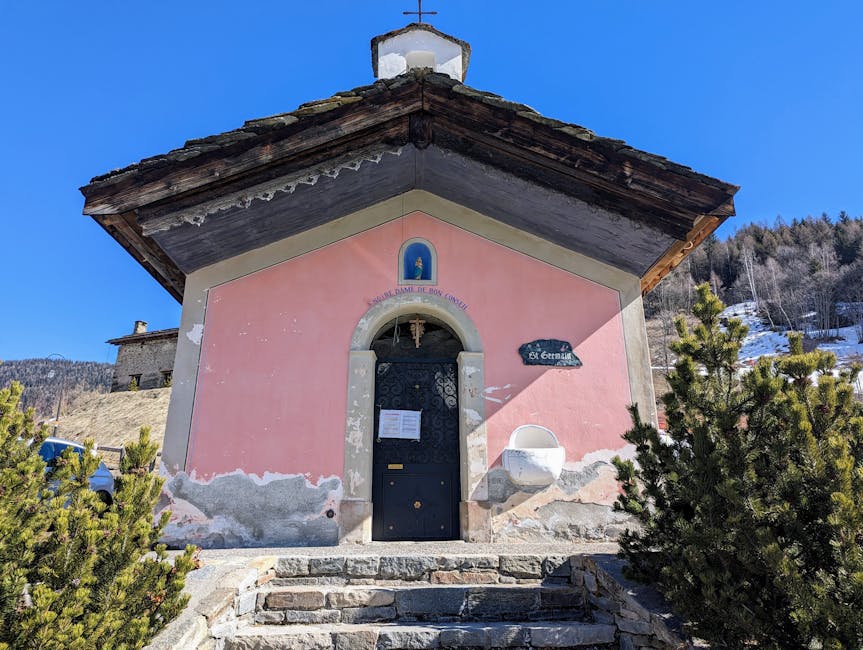
Description: A few steps from the docks, St. Anne’s Chapel and the small Ottoman cemetery form a moving testament to the multi-ethnic past of Kotor Bay. Ottoman gravestones, sometimes inscribed in Arabic, sit alongside Christian markers, illustrating centuries of commercial coexistence. The spot breathes serenity; the scent of bay laurel and the distant hum of engines create a striking contrast between memory and modern life.
Local tips: Respect the funerary character of the place: no loud antics or picnicking on graves. For a richer visit, stop by the tourist office first to pick up information sheets on the epitaphs — some have been translated and provide valuable details about the families of sailors.
5. Herceg Beach (Hidden Herceg Beach) — A quiet dip away from the crowds
Full name: Herceg Beach (Herceg Beach / Mali Beach near Kotor)
Address: Obala 21, Kotor Bay access point (small quay near the village of Morinj, southbound), access via the coastal path from Kotor Old Town, 85330 Kotor, Montenegro
Opening hours: beach freely accessible; best visited early morning (07:00–10:00) or late afternoon (17:00–20:00).
Price: free access. Some private areas (sunbeds) €5–10/day depending on the owner.
Description: Little promoted on official tourist routes, Herceg Beach is a small pebbled cove with crystal-clear water, sheltered from prevailing winds. It’s ideal for those seeking a more authentic swim than the packed beaches by the ferry terminals. The seabed is rocky but offers good snorkeling around the small cliffs. There’s little sand — expect to walk on polished pebbles, so bring water shoes.
Local tips: Bring water and snacks — infrastructure is limited. The best swimming times are early morning, when the water is clearest, and evening to enjoy often vivid skies without the midday heat. If you arrive by boat, anchor in shallow water and respect marked swimming zones.

6. Vrmac Fort tunnels and casemates — Open‑air military history
Full name: Tunnels and casemates of Fort Vrmac (Fort Vrmac Austro‑Hungarian casemates)
Address: Vrmac Ridge Trailhead hiking route, Vrmac, 85320 Kotor (main access from Kotor — D8 road then footpath)
Opening hours: trails accessible 24/7; avoid nighttime for safety reasons.
Price: free access. Local guided tours: about €15–30 per person depending on group size.
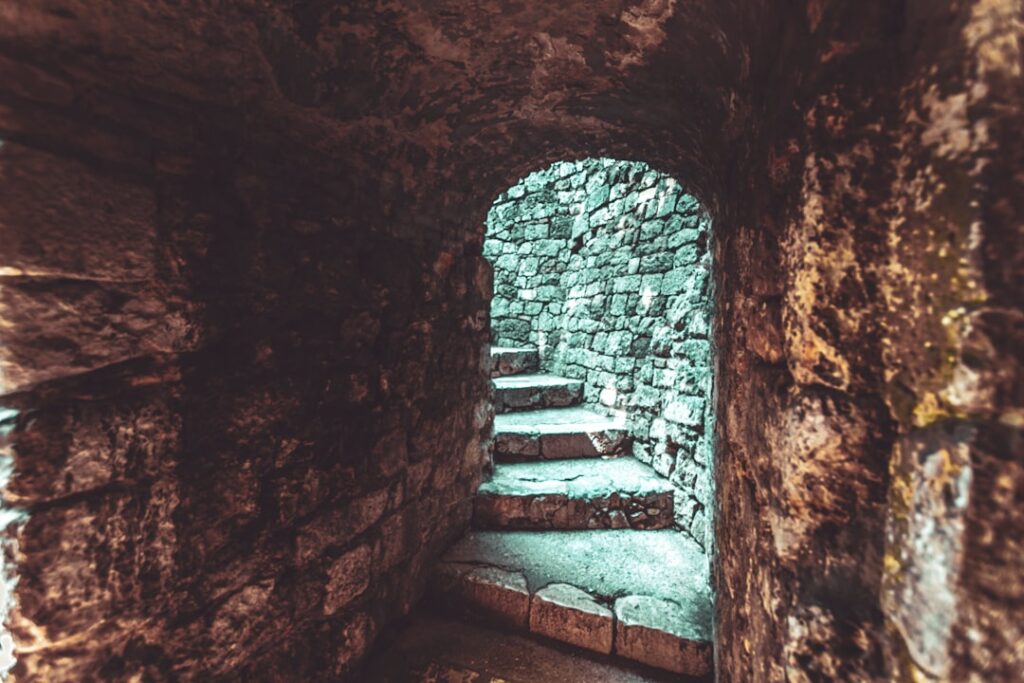
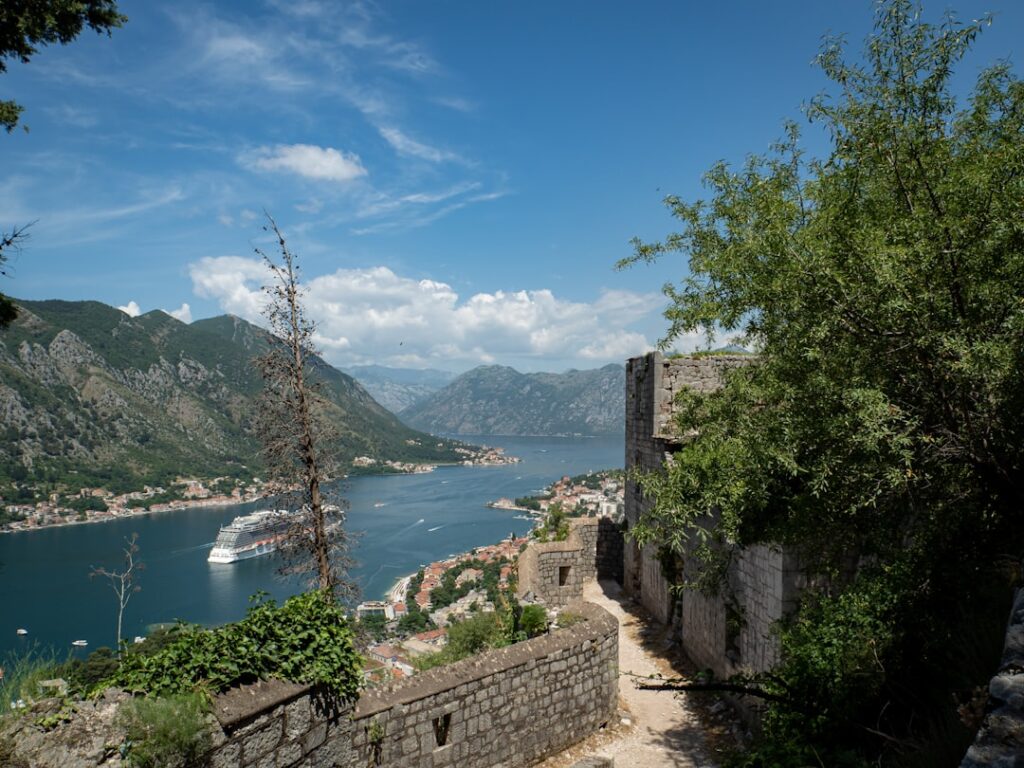
Description: A short hike from the Old Town brings you to the Vrmac ridge, where impressive remains of Austro‑Hungarian military infrastructure sit: dug-out tunnels, concrete casemates and defensive lines with strategic views over the bay. Often overgrown, these structures create a striking atmosphere — the sense of a modern past slowly being reclaimed by nature. The terrain can be rough; the hike mixes shaded paths, open meadows and rarely-visited panoramic spots.
Local tips: Wear sturdy hiking shoes and carry at least 1.5 L of water. If possible, hike early for cooler temperatures and sunrise light. Local guides can share precise anecdotes (battery positions, WWI stories) that bring the site to life. Do not enter unstable tunnels without proper equipment and a guide.
7. Short cruise to the Blue Cave and secluded coves — An off‑route excursion
Full name: Mini‑cruise to Blue Cave (Short boat trip to Blue Cave and secluded coves in Kotor Bay)
Departure point: Luka Kotor (Kotor Marina), Obala bb, 85330 Kotor, Montenegro — the quay near the marina, in front of the old customs house
Schedule: frequent departures in high season (08:00–18:00, every 1–2 hours depending on operator). Booking recommended.
Price: €25–45 per person for a 2–4 hour trip (depending on operator, season and inclusions: snorkel mask, drinks). Private boat rental: from €80–120 per hour.
Description: The Blue Cave (a sea cave with blue-tinted reflections caused by light) sits in the bay and draws fans of short nautical adventures. While some caves are more famous, local operators offer routes that skirt the usual tourist masses and land in tiny coves accessible only by boat — perfect for swimming away from ferry crowds. These short trips combine geological sightseeing with relaxing swims.
Local tips: Pick a small family-run operator for a more personalized experience; they know the coves where depth and water clarity are best. Bring your own snorkel and mask, water shoes, biodegradable sunscreen and a dry bag for belongings. Be mindful of return-times if you’re prone to seasickness.
8. Malak’s Workshop luthier and art gallery — Living craft
Full name: Malak Workshop Gallery (Malak’s Workshop — luthier & contemporary craft gallery)
Address: Ulica Kruševac 7 (near Stari Grad southern alley), 85330 Kotor, Montenegro (workshop hidden in a southern lane of the Old Town)
Opening hours: 10:00–13:00 and 16:00–19:00 (high season), closed Sunday morning off-season; open by appointment.
Price: visit and demonstration: suggested donation €3–7; small instruments and crafts: €15–120 depending on the item.
Description: This discreet workshop is run by a master luthier and collector of restored maritime objects. You’ll see traditional techniques for making stringed instruments used in Dalmatian and Montenegrin music, alongside wooden sculptures inspired by the sea. The space is cozy, often filled with the smells of glue, varnish and resin, and offers a hands-on look at local craftsmanship that large museums can’t replicate.
Local tips: Call ahead for a demonstration or to reserve a unique piece. If you buy an instrument, ask for a short introductory lesson — the artisan loves to share local tunes. Attentive visitors will leave with a story about the origins of the woods and the conservation techniques used along the Adriatic coast.

Conclusion — Slow travel in Kotor: the art of finding the unexpected
Kotor deserves to be explored beyond the postcard highlights. The eight places listed here reveal sides of the town that standard guides tend to downplay: small chapels, little-known towers, discreet terraces, military remains, hidden coves and artisan workshops. Together they form an alternative map of Kotor — a map of quiet moments, ancient textures and human experiences.
Planning visits to these sites requires curiosity: wander the Stari Grad lanes without rushing, ask locals where the best views hide, take a small family boat instead of a tourist ferry, or book a local guide focused on social and maritime history. The benefit is twofold: you’ll enjoy a more authentic visit and help distribute tourist impact to less exposed sites, which is a gesture of responsible travel.
Bring comfortable shoes, water, and deep respect for places of memory and the people who live there. Above all, give yourself time: the value of these places often reveals itself through slowness, in listening to a local guide’s stories or reading a carved stone at a chapel threshold. By stepping off the beaten track you’ll discover a lively, layered Kotor where every stone has a story to tell.