Introduction
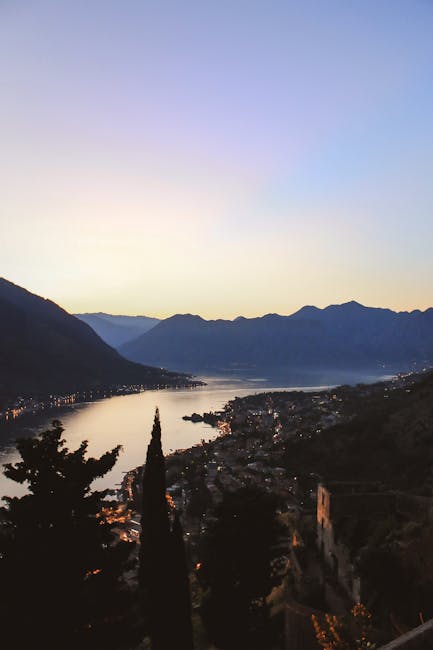
Waking up to the calm blue of the Bay of Kotor, well away from tour buses, helmeted guides and conveyor-belt sightseeing: that’s the aim of this 3-day Kotor itinerary designed to dodge the main tourist circuits. Kotor, a small gem on Montenegro’s coast, boasts a remarkably well-preserved medieval old town, fortifications clinging to steep mountainsides, quiet coves and charming nearby villages. Still, in high season the town can be overrun. This guide lays out a practical, immersive plan to enjoy the essentials of Kotor in three days while avoiding the busiest streams of visitors, favoring quiet hours, local spots, off-the-beaten-track excursions and restaurants frequented by residents.
I give full addresses, suggested times, prices in euros and practical tips so your trip is both independent and full of genuine discoveries. Each day focuses on a specific area (old town and ramparts, the bay and nearby islands, mountains and inland villages) and offers alternatives if the weather or your mood changes. You’ll also find recommendations for meals, cafés, photo viewpoints and local transport options (buses, water taxis, hiking routes). The goal: memorable experiences without wasting time in queues or at overcrowded attractions.
This guide is aimed at independent travelers who want to take time to observe, walk, taste Montenegrin specialties and chat with locals. Prices reflect 2026 rates and are indicative: always bring a little extra cash because some small kiosks or local boats don’t accept cards. Times are provided to help plan your days (some sites open very early and are at their best at sunrise). Finally, the local tips will help you avoid pitfalls: where to park, how to book an affordable private boat, which hours to avoid cruise-ship crowds, and how to behave in a Montenegrin village.
1. Day 1 – Old Town Immersion and Ramparts Ascent (Stari Grad & Fortifications)
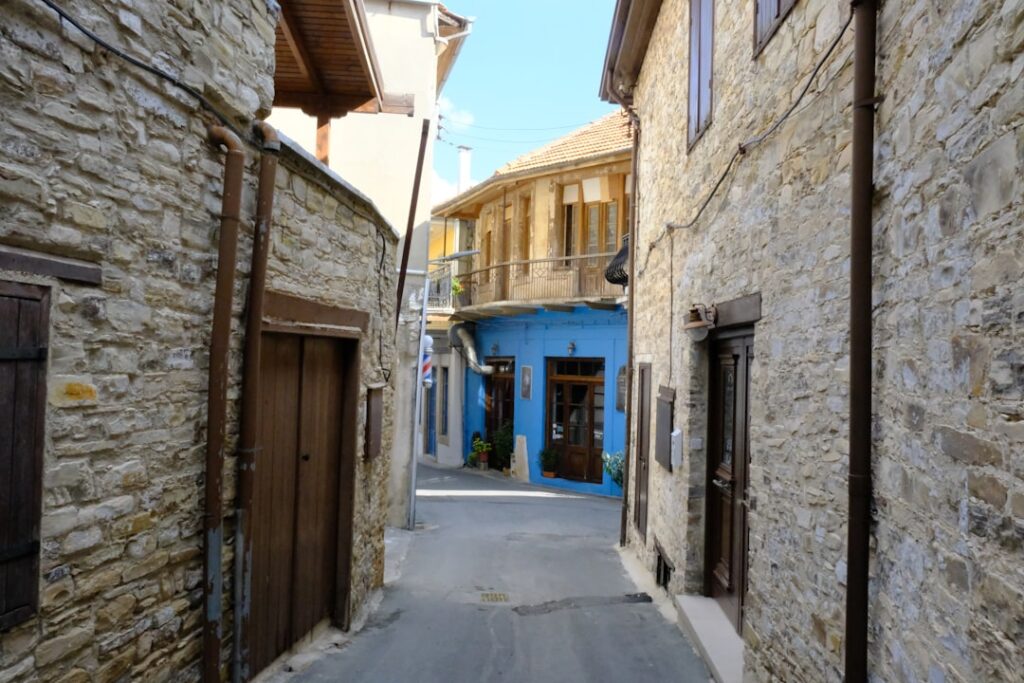
Start with the essentials but avoid peak times: Kotor’s old town (Stari Grad) is a maze of cobbled lanes best explored early in the morning and late in the day, when the atmosphere feels most authentic. Reference address: Trg od Oružja, Stari Grad, Kotor 85330, Montenegro. Entry to the old town is free; shops and cafés typically open between 08:00 and 10:00 in low season and from 07:30 in high season. To avoid cruise-ship groups, aim to be in the main streets (Trg od Oružja, Ulica 4. Jula) before 09:00 or after 17:00.
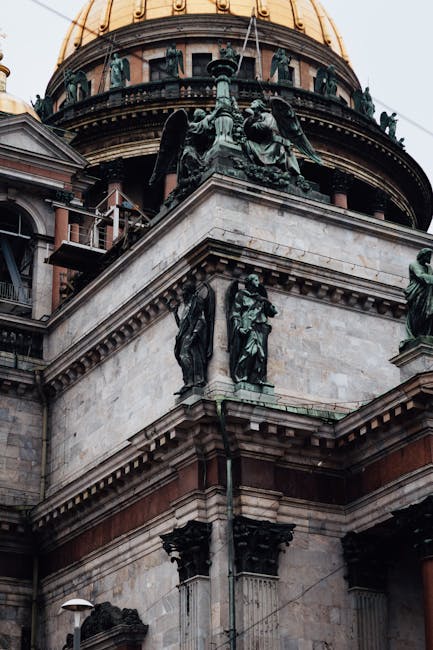
Don’t miss the Cathedral of Saint Tryphon (Katedrala Svetog Tripuna), located at Trg od Oružja 5, Kotor 85330. Hours: roughly 08:00–19:00 (may vary with season and services). Entry: cathedral visit is free; small museum and treasury around 2–3 EUR. This 12th-century Romanesque cathedral is perfect for soaking up history: thick walls, carved capitals and a religious library. Right next door is the Maritime Museum of Kotor (Pomorski Muzej Kotor) at Trg od Oružja 3, Kotor 85330. Hours: 09:00–17:00 (closed some Mondays – check locally). Fee: 3–5 EUR. The museum is small but rich in models, charts and stories about the Montenegrin relationship with the Adriatic.
For a panoramic experience away from the crowds, climb the ramparts to St. John’s Fortress (Tvrdava Sv. Ivan). Main access: the staircase from the old town near Gospoština. Approximate address: Stairway to Castle of San Giovanni, Stari Grad, Kotor 85330. Hours: generally 07:00–19:00 (May–Sept), 08:00–16:00 (Oct–Apr). Price: 8 EUR for the climb (ticket often paid at a booth at the base of the stairs); reduced rates for students/seniors around 4 EUR. The climb is steep (around 1,350 steps depending on the route), so wear closed shoes, allow 1.5–2 hours round-trip depending on photo stops, and bring water in summer. The best times are early morning or late afternoon for light and quiet—at midday cruise groups often crowd the base of the walls.
Practical tips for Day 1:
- Parking: If you’re driving, park outside the walls: Parking Kotor (Obala, Obala 4, Kotor 85330). Price: 1–2 EUR/hour in the town center; limited spaces, arrive early.
- Recommended café: Forza Café, Trg od Oružja 7, Kotor 85330. Hours: 07:30–22:00. Price: espresso 1.50 EUR; brunch 6–10 EUR. Great spot for a coffee before the climb.
- Lunch: Konoba Scala Santa, Gospoština 145, Kotor 85330. Hours: 12:00–22:00. Main courses: 8–15 EUR. Homely local cooking, generous portions, popular with locals in the evening.
- Photography: The lanes north of Trg od Oružja have the best morning light. Bring a small tripod for low-light shots inside the cathedral.
2. Day 2 – Bay of Kotor, Perast and Nearby Islands: Local Boat Trips and Coastal Villages
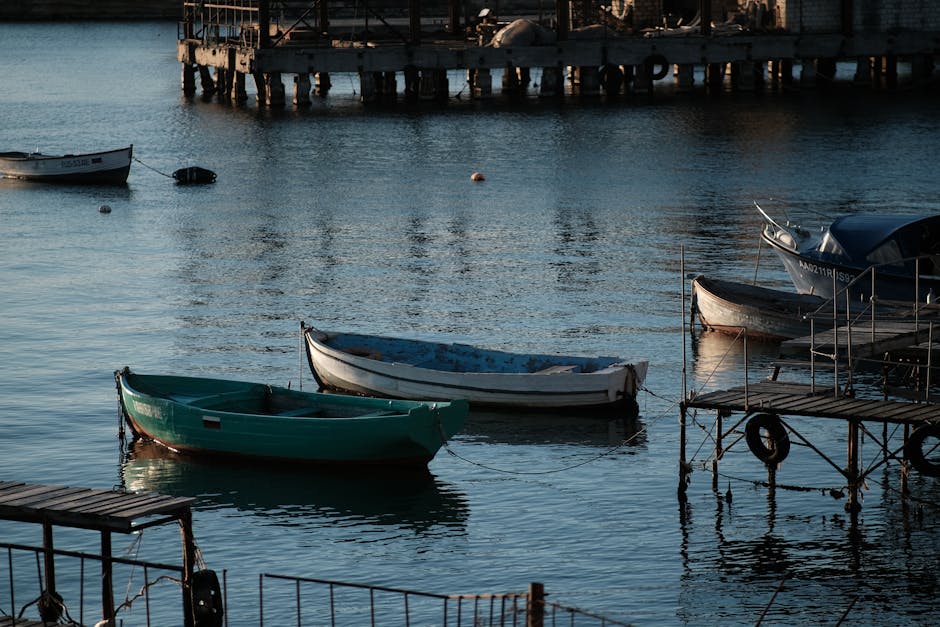
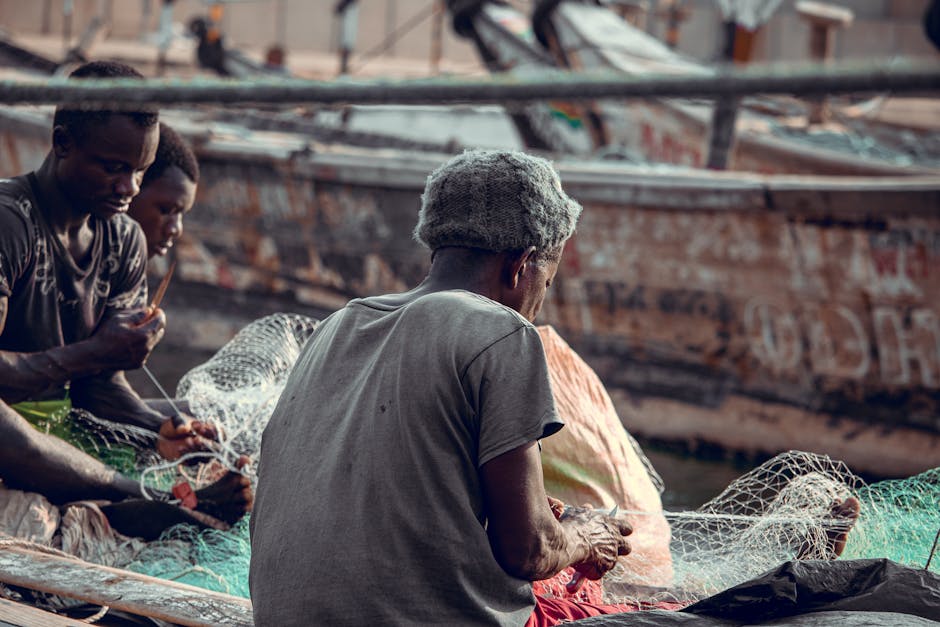
Day two is dedicated to the bay, Perast and its emblematic islets, while avoiding standard group tours. Take the first local boat from Kotor Port (Porto, Obala 18, Kotor 85330). Times: local boats leave between 08:30 and 10:00 for Perast, returning in the afternoon; book the day before if you can. Typical round-trip fare Kotor–Perast on a shared boat: 5–10 EUR. For more freedom, book a private water taxi directly at the port: around 30–50 EUR round-trip for 4 people (price negotiable depending on season).
Perast (Perast, 85333) is an aristocratic baroque village 15–20 minutes by boat from Kotor. The lanes are wider and the maritime atmosphere feels genuine. From Perast Harbor (Perast Pier, Perast 85333) stroll along the waterfront to the churches of St. Roch and St. Nicholas. Church opening times: roughly 09:00–17:00, some close for services. Allow 2–3 EUR for small local museums. To visit the artificial islet Gospa od Škrpjela (Our Lady of the Rocks), take a falkuša (traditional boat) from Perast Harbor. Boat hours: 09:00–17:00 (operator-dependent). Price: 6–10 EUR for the crossing and about 2–3 EUR for entry to the site/museum.
Why avoid the big tours? Cruise ships often unload waves of visitors in Perast between 10:00 and 15:00. Tip: depart early from Kotor (08:30) to see Perast between 09:00 and 11:00, then return to Kotor for lunch, or stay in Perast but avoid the main waterfront during peak hours. A more intimate alternative is to follow the bay westward and land in quieter coves (rocky beaches and small villages) by private water taxi for a morning swim away from groups.
Lunch and a local hangout:
- Restaurant: Conte Nautika, Perast, Obala Kralja Nikole 3, Perast 85333. Hours: 11:00–22:00. Main courses: 10–18 EUR. Attentive service, local seafood.
- Café and snacks: Bar & Bistro Perast, Perast Harbor, Perast 85333. Hours: 07:30–19:00. Sandwiches 3–6 EUR, coffees 1.50–2.50 EUR.
Afternoon alternative: head to Mamula island (if open to the public) or boat to Risan (Risan, Obala 23, Risan 85331) to explore the Roman mosaics in the bay. If you prefer walking, follow the coastal path to the village of Prčanj (Prčanj, Perast Road), less visited, with waterside cafés and an impressive baroque church. The local Kotor–Perast–Risan bus costs about 1–2 EUR and is an economical way to mix boat and road travel.
3. Day 3 – Mountains and Inland Villages: Njeguši, Lovćen and Wild Vistas
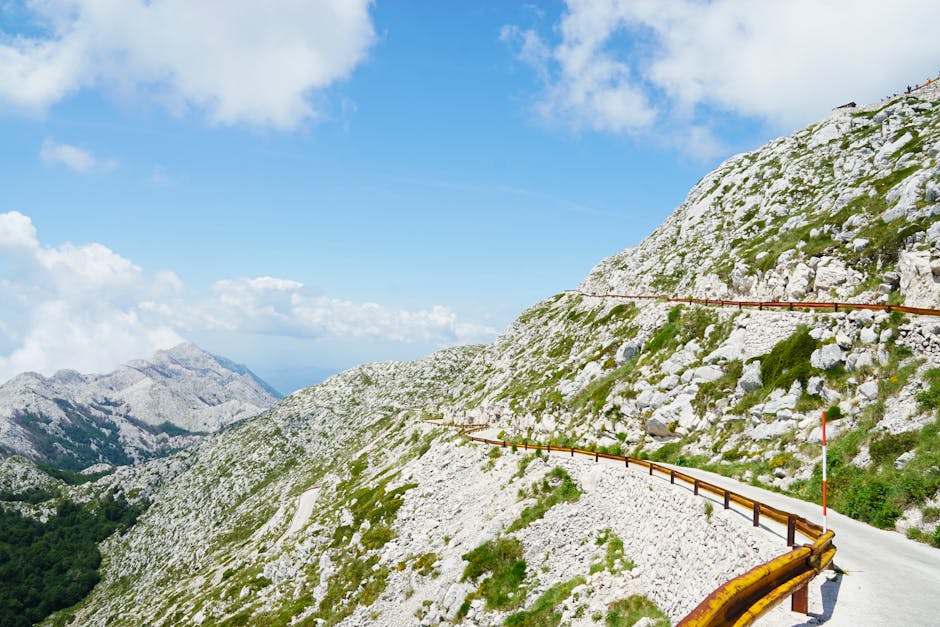
On day three, change the scenery entirely: take the road up to Njeguši and Lovćen National Park for cooler air, mountain panoramas and hearty mountain cooking away from the coast. Recommended start: Kotor Bus Station, Obala 76, Kotor 85330. Kotor–Njeguši–Lovćen buses depart early — check schedules at the bus station desk (tickets 3–6 EUR, 30–60 minutes depending on stops). If you have a car, the switchback road offers many photo stops; drive carefully, especially after rain.
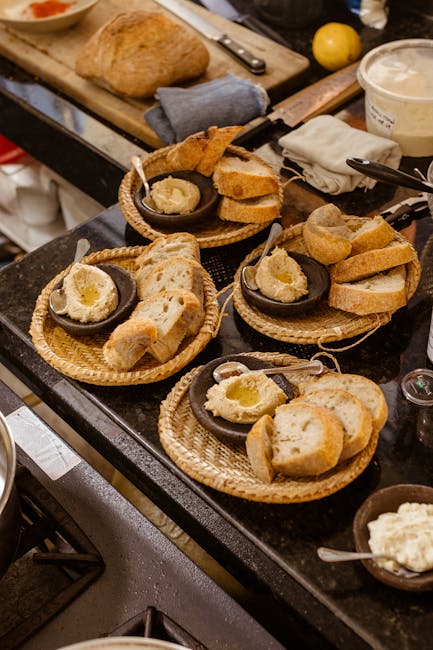
First stop: Njeguši (Njeguši village, Cetinje Municipality, 81250), famous for its smoked ham (Njeguški pršut) and cheese. Visit a small family farm (many households welcome visitors; there’s no single official address—ask in the village). Tasting: 5–10 EUR for a platter of cold cuts/cheese with homemade bread and local wine. Farm hours: often 10:00–18:00, but it’s best to call ahead or ask via your accommodation. The village makes a perfect stop for a traditional mountain lunch—simple, hearty and welcoming.
Continue to the Njegoš Mausoleum (Petar II Petrović Njegoš) at the summit of Mount Lovćen. Address: Mausoleum at Jezerski Vrh 1, Kotor/Lovćen area (access via Lovćen National Park roads). Hours: 09:00–17:00 (subject to change). Entrance to the park and mausoleum: about 2–6 EUR (depending on which areas are open and the season). The final climb includes a number of steps (around 461 steps up to the mausoleum); the reward is a spectacular panoramic view of the Bay of Kotor, often clearest early morning or late afternoon. Bring a windproof jacket—the summit is frequently breezy.
Alternative activities and tips:
- Hiking: Trails around Lovćen National Park (Park Lovćen). Choose short circuits if you have limited time (1–3 hours): walks around the mausoleum or descents to secondary viewpoints. Park maps available at the visitor centre (Lovćen National Park Visitor Center, Cetinjski Put, Lovćen). Centre hours: 09:00–16:00. Park entrance fee varies: 2–5 EUR.
- Mountain dinner: Restaurant Šura, Njeguši Village (local family-run tavern). Hours: 11:00–20:00. Main dishes (roasts, vegetables, local specialties): 8–15 EUR. Book ahead in summer.
- Easy return: Drop down to Cetinje (Cetinje 81210) for a cultural stop if you have time: National Museum of Montenegro, Njegoševa 2, Cetinje 81210. Hours: 09:00–17:00. Entry: 3–5 EUR.
Logistical tips for Day 3:
- Bring water, snacks and a lightweight rain jacket — mountain weather can be unpredictable.
- Respect park rules: don’t feed wildlife, take your trash with you and stay on marked trails.
- If traveling by bus, confirm return times to Kotor the day before, especially off-season: services drop and it may be wise to budget for a taxi (expect 40–60 EUR Kotor–Lovćen depending on distance and negotiation).
General tips, accommodation and safety
Accommodation: to avoid the busiest areas, pick a place just outside the old town but well connected by shuttle or bus. Examples:
- Apartments Boka Sunset, Obala 54, Kotor 85330. Rates: apartments 40–80 EUR/night depending on season. Perk: bay views and a kitchen for preparing your own meals.
- Guesthouse Villa Perast, Obala Kralja Nikole 12, Perast 85333. Rates: 50–100 EUR/night. Quiet location, ideal for extending Day 2.
Safety: Kotor is generally safe. Still, watch your belongings in the old town and avoid leaving valuables visible in a parked car. Carry a small first-aid kit and check pharmacy hours (Pharmacy Kotor, Njegoševa 21, Kotor 85330 — typically 08:00–20:00).
Indicative budget for 3 days (per person):
- Accommodation: 40–90 EUR/night → 120–270 EUR for 3 nights depending on comfort.
- Meals: 10–25 EUR/day → 30–75 EUR.
- Local transport (buses, regular boats, occasional water taxi): 20–60 EUR.
- Entrance fees (museums/ramparts/mausoleum): 15–25 EUR.
- Estimated total: 185–430 EUR for 3 days depending on choices.
Conclusion
Three days in Kotor might seem short, but with good planning they’re enough to feel the region’s soul while sidestepping the main tourist circuits. This plan is gradual: old town immersion and ramparts on day one, a calm bay cruise and Perast on day two, and mountain immersion in Njeguši and Lovćen on day three. Each stage is designed to favor time slots and alternative options that help you avoid crowds (early mornings, local boats, lesser-visited villages and mountain trails).
The addresses, prices and opening times give you a practical framework for each day; nonetheless, Kotor is a place where the unexpected is part of the charm: a cheese-maker’s invitation in Njeguši, an impromptu konoba meal with locals, or a memorable sunset from the ramparts. Final tips: book central accommodations but sleep off the main thoroughfares if you want quiet nights, carry cash for small transactions, and adapt plans according to weather and cruise-ship movements (especially in summer).
Finally, respect local culture and the environment: Montenegrins value hospitality and politeness, and the Bay of Kotor is an ecosystem that needs protection. Take your rubbish with you, avoid unregulated parachute or speedboat activity in protected zones, and always ask permission before photographing residents or private interiors — that helps preserve this unique place for future generations. Have a great trip, and most of all: take the time to listen to the sea and the stones — Kotor tells its story slowly, away from tours, and that’s its true reward.