[COUNTER-CURRENT] Walking the city walls beats the tourist cruise — here’s why — Kotor
Introduction
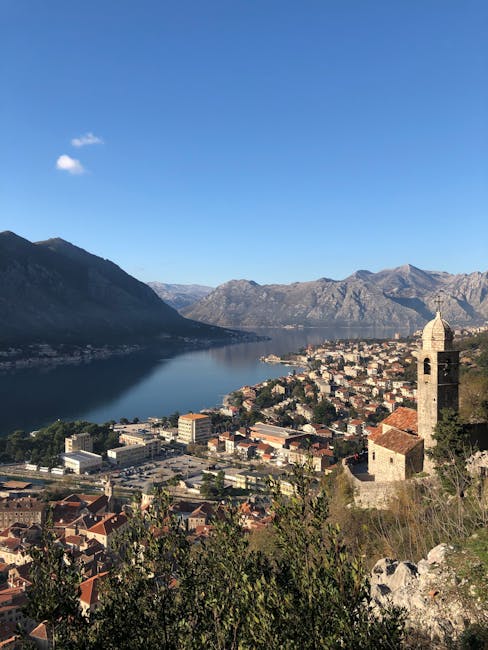
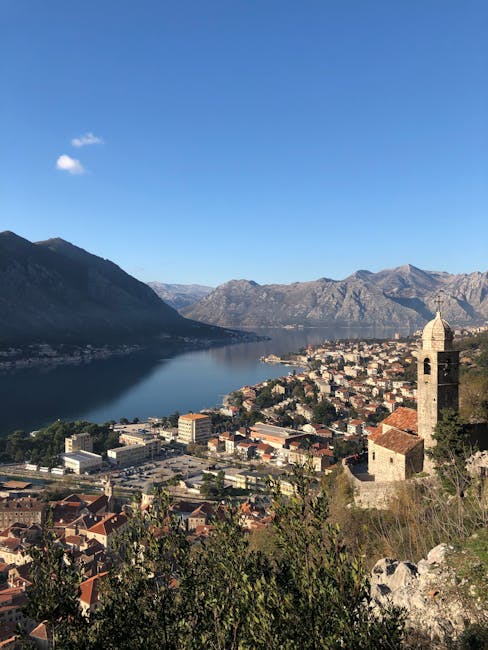
Kotor, that tucked-away gem of the Bay of Kotor (Boka Kotorska) in Montenegro, has enchanted visitors for centuries with its medieval lanes, baroque churches and—most of all—those monumental walls that climb the hillside up to St. John’s Fortress (Sveti Ivan). Travelers tend to split between two signature experiences: hopping on a tourist boat to cruise the bay—quick stops at Perast and Our Lady of the Rocks (Gospa od Škrpjela)—or hoofing it up the city walls to earn that panoramic fortress view. This article offers a clear, practical comparison between “Walking the Walls” and “The Tourist Cruise,” with addresses, opening times, ballpark prices in euros, immersive descriptions, local tips and verdicts tailored to different traveler types.
Why focus on this? Because Kotor is often seen in neat slices (the boats, the old town). Yet the urban hike along the walls delivers a sensory and cultural experience a boat can’t replicate: sun-warmed stone, jasmine on terraces, the bells of Saint-Luka, steps carved into the cliff. Conversely, a cruise gives you a geographic reading of the bay, easy access to coastal sights without the effort, and a water-level perspective that reveals façades you can’t see from shore. Both options have their strengths; our job here is to weigh pros and cons across concrete criteria: price, duration, comfort and convenience.
We’ll include practical info: where the wall hike starts (main entrance by the Sea Gate / Vrata od Mora, approximate address: Ul. 29. Novembra, Stari Grad, Kotor), where to buy entrance tickets for the climb (ticket booth at the base of the path), best times to climb (sunrise or late afternoon for golden light), and cruise departure points (Port of Kotor — Obala 22. Aprila / Riva Kotor). We’ll also list typical prices: wall-entry tickets around €8–€10, short bay cruises of 1–2 hours €20–€35 depending on season—with notes on seasonal schedules and local advice about crowds, weather and kit.
To help you choose we’ll give a compact comparison table, then clear verdicts by traveler profile: hiker, family, mobility-impaired visitor, photographer, budget traveler, romantic couple. You’ll also get concrete tips: where to buy water (Pemo minimarket, Obala 22. Aprila), what shoes to wear, and how to avoid peak crowd windows. If you’re chasing visual adventure and historical immersion, the walk has serious advantages; if you prefer comfort and an effortless overview, the cruise is the better bet. Let’s dive in, section by section.
1) Walking the walls: total immersion, effort and unmatched views
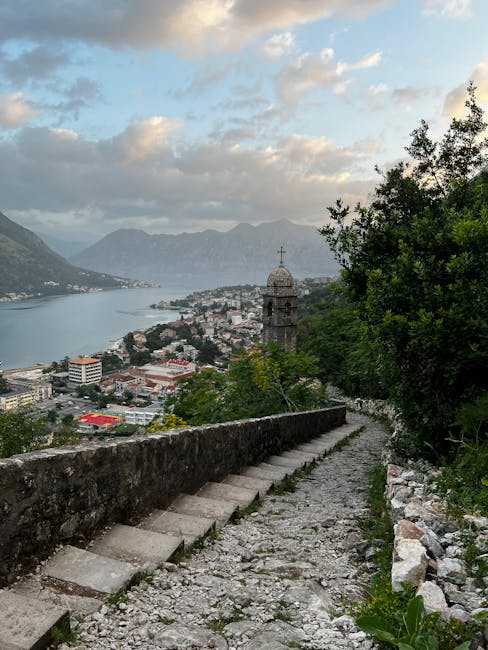
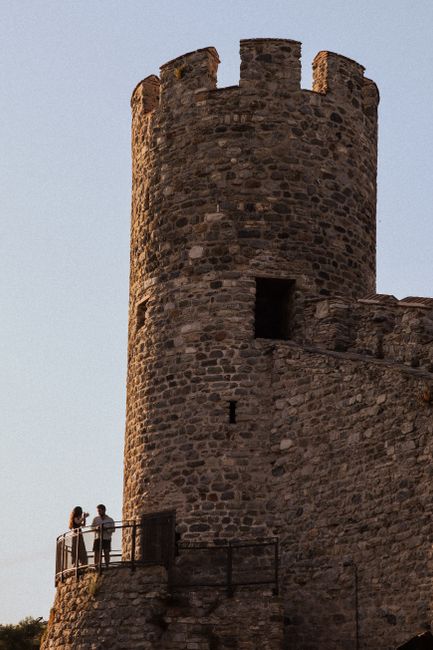
The climb up Kotor’s walls starts right in the Old Town (Stari Grad). Main entrance: Sea Gate / Vrata od Mora, Ul. 29. Novembra, Stari Grad, Kotor, Montenegro (practical landmark: near the Arms Square — Trg od Oružja). The path ascends via the Pima gate, follows rocky stone steps that snake along the cliff and ends at St. John’s Fortress (Kastio Sv. Ivan), perched about 260 meters above sea level. Tickets are sold at the booth at the base of the ascent: typical adult price around €8 in high season, with concessions for children and students; ticket hours often run roughly 07:00–18:00 in summer (the trail is accessible early morning and in the evening, but the booth can close earlier off-season).
On a sensory level, the walk is immersive: the scrape of your shoes on centuries-worn steps, successive reveals of red-tiled roofs, fishing boats moored along the quay and dark headlands closing the bay. Midway viewpoints frame Our Lady of the Rocks from a peak-centered angle. The trail can be narrow and steep at times—light hiking shoes or grippy trainers are essential.
- Duration : about 45–60 minutes to climb from the old town at a relaxed pace; round-trip 1h30–2h depending on stops.
- Comfort : physically demanding; little shade on some stretches; no public restrooms along the full route (plan ahead).
- Convenience : starts right from the historic core (great if you’re staying in Stari Grad), no reservation needed unless you’re in a guided group.
- Local tips : go before 10:00 or after 16:00 in summer, bring 1–1.5 L of water (Pemo minimarket, Obala 22. Aprila, sells bottles from about €0.80), wear a hat and take a light windbreaker for the evening.
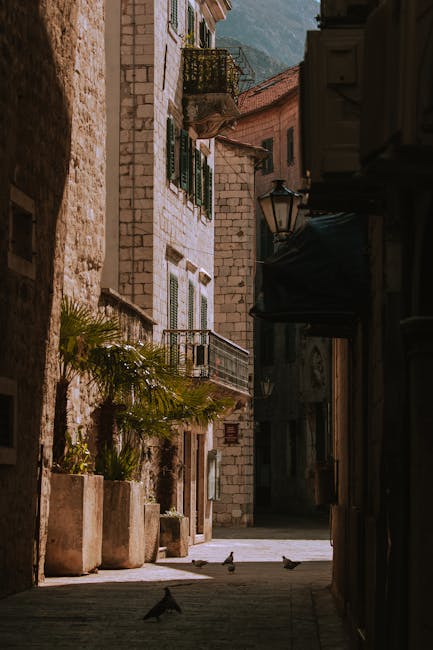
Historically, walking the walls connects you to Venetian and Austro-Hungarian eras: every layer of wall, tower and bastion tells the story of a town built to repel invaders. On-site interpretive panels (multiple languages) and local guides add context and anecdotes—often far richer than the short commentary you’ll hear on a boat.
2) The tourist cruise: comfort, a maritime viewpoint and accessibility
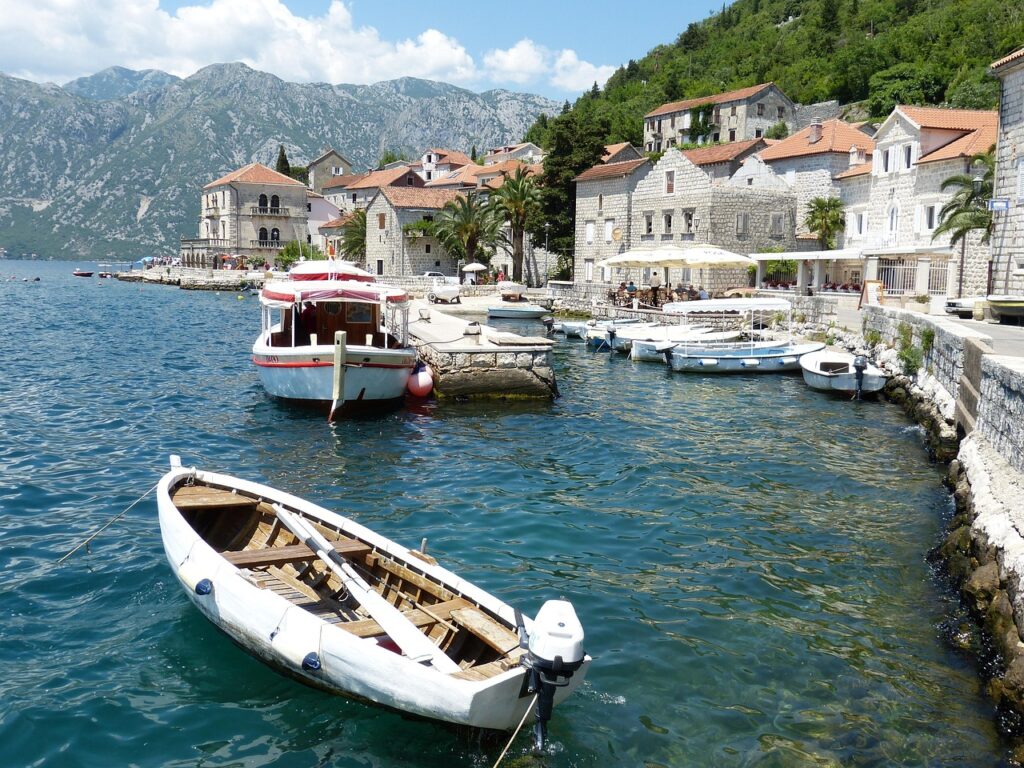
Mini-cruise departures leave from Kotor’s port (Port of Kotor, Obala 22. Aprila, Riva Kotor — main quay near the Sea Gate). Tours marketed as “Bay of Kotor cruise” usually last between 1 and 3 hours: the most popular option is a 1h30–2h loop that heads toward Perast (recommended Perast address for the excursion: Perast, Trg Nikole Đurkovića 1), stops in front of Our Lady of the Rocks (Gospa od Škrpjela), and sometimes includes a short stop at Mamula beach or Mamula island depending on the operator. Typical fares: €20–€35 per adult for a 1h30–2h trip; longer or private excursions can run €60 and up.
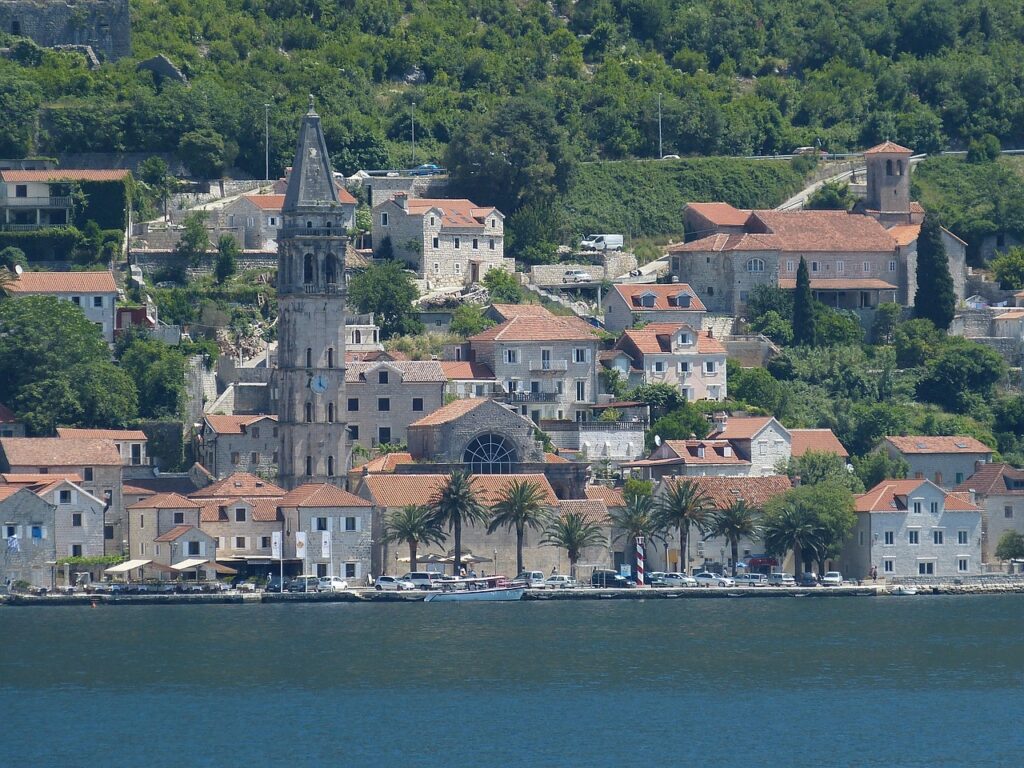
Cruises are comfortable: sheltered seating, on-board drinks and snacks for sale, audio commentary or a guide, and an immediate grasp of the bay’s layout—you’ll see the geology, amphitheatrical villages and sheer cliffs from a marine perspective. They’re particularly suited to visitors with mobility limits, families with small children and travelers who want a quick, low-effort introduction to the bay.
- Duration : 1h30–2h for the standard loop; some half-day or full-day cruises (with lunch) extend to 6–8 hours.
- Comfort : high—seating, shade, toilets on some vessels; but boats can be crowded in high season and weather-dependent.
- Convenience : bookable online or at the port (frequent departures between 09:00–17:00 in summer). Great for fitting into a short itinerary.
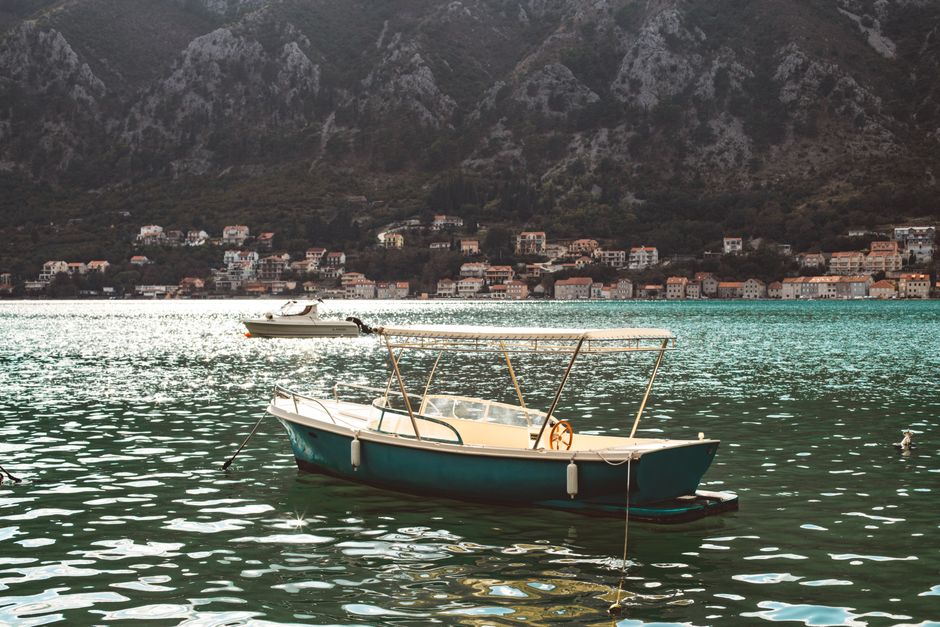
Downsides: the cruise glosses over the old town’s tactile character—floating offshore you miss the texture of alleys, craft workshops, cozy cafés and micro-events that animate Kotor. Stops tend to be brisk and geared toward Instagram-style highlights, sometimes at the expense of local immersion. Large cruise ships can also dump sudden crowds into town, increasing queues at shops and restaurants.
3) Comparison table and practical analysis
| Criterion | Option A | Option B |
|---|---|---|
| Price | X€ | Y€ |
| Duration | 45–120 minutes (round-trip) | 90–240 minutes depending on option |
| Comfort | Physical and minimal (stairs, little shade) | Seated comfort, shelter, drinks available |
| Convenience | Starts in Stari Grad, no reservation needed | Accessible from the port, booking recommended in high season |
About that table: the “Price” row uses X€ and Y€ as generic placeholders per the presentation instructions. To be specific: the wall climb generally costs around €8–€10 per adult (varies by season and local policy). A short bay cruise typically runs €20–€35 per adult for a 1h30–2h tour, with pricier options for private or half-day trips. Financially, the walk is often the cheaper choice if you’re traveling solo or as a couple; cruises can be more cost-effective for families (child fares often reduced) or travelers prioritizing comfort and accessibility.
In terms of time, the climb can take just part of a morning or afternoon (45–120 minutes depending on pauses). Cruises lock you into a scheduled window and can take a half day if you include stops and transfers. Comfort and practicality tilt toward the cruise for vulnerable or less active visitors; the walk is best for the curious, photographers and history buffs. Your lodging matters too: if you’re staying inside the Old Town, the walk is instantly accessible; if you arrive by coach or bus, a cruise might be simpler to work into your plans.
4) Clear verdicts by traveler profile
To help you decide, here are specific verdicts by profile. Each explains the practical and emotional reasons behind the choice.
- Hiker / panorama lover — Verdict: Walk the walls. Why: sensory experience, unique landscape shots, the climb is rewarded by the view; lower cost (~€8–€10) and flexibility on timing.
- Family with young children — Verdict: Cruise. Why: less fatigue for kids, seating and onboard facilities, safety; typical cost €20–€30 per adult with child discounts.
- Mobility-impaired traveler — Verdict: Cruise. Why: easy access from the Port of Kotor, minimal physical effort, possible toilets onboard; walls not recommended (stairs, slopes).
- Photographer / detail-lover — Verdict: Walk the walls (plus a cruise if time allows). Why: diverse frames (alley, wall, fortress, tiered views), unbeatable morning/evening light for wide shots.
- Romantic couple — Verdict: Walk the walls at sunset. Why: intimate trails, secluded viewpoints for a picnic, sweeping golden-hour views of the bay—unforgettable. Check ticket booth hours for your descent.
- Budget traveler — Verdict: Walk the walls. Why: low entrance fee, no hidden extras; bring water and snacks to keep costs down.
In short: if your stay is brief and you want a quick “see the bay” experience, a cruise does that job perfectly. If you seek a closer meeting with the town, photography opportunities, the gratification of effort and a sense of history, the wall walk is superior. Many locals recommend doing both: hike the walls in the morning and take a boat in the afternoon, or vice versa depending on weather.
Conclusion
There’s no one-size-fits-all winner in the duel between walking Kotor’s walls and taking a tourist cruise—your priorities decide the outcome. The wall hike (start at Sea Gate / Ul. 29. Novembra, Stari Grad, Kotor) is immersive, physically demanding but deeply rewarding—moderate cost (around €8–€10), dramatic panoramas and direct contact with the Old Town’s living history. It fits hikers, photographers, thrill-seekers and couples chasing a sunset moment. By contrast, the tourist cruise (departing from Port of Kotor, Obala 22. Aprila) offers ease, comfort and a geographic overview of the bay: ideal for families, mobility-impaired visitors and those short on time or not keen on exertion. Typical prices (€20–€35 for the standard excursion) reflect the convenience and service.
Final practical tips: if you opt for the climb, go early (roughly 07:00–09:00) to beat crowds and heat, buy water at Pemo (Obala 22. Aprila) before you set off, wear sturdy shoes and allow about 1h30 round-trip including photography stops. If you choose the cruise, book in high season (June–September) and check departure times (commonly between 09:00 and 17:00), get to the quay 15 minutes early and ask whether the boat has toilets and covered seating. Many visitors find the best plan is a combo: climb the walls at sunrise, wander the Old Town, then take a short afternoon cruise—get the best of both worlds.