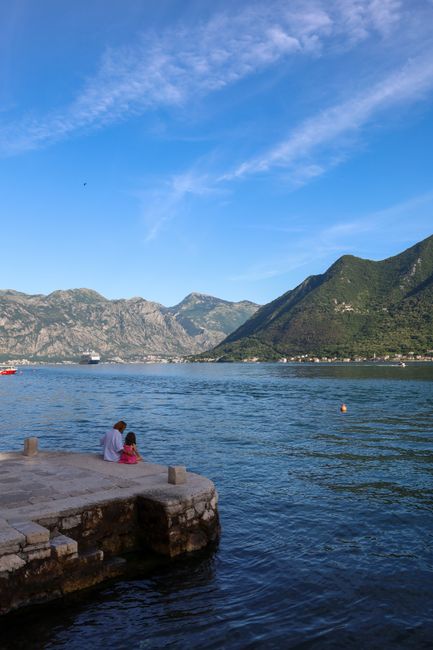
Introduction — Why climbing Kotor’s city walls isn’t the whole story
Kotor, a UNESCO-listed gem, is known for its compact medieval old town pressed up against the deep waters of the Bay of Kotor and for the dramatic climb up to the city walls and Saint John Fortress (San Giovanni). Still, there’s a persistent notion among visitors: “if you don’t climb the walls, you haven’t really seen Kotor.” This piece takes an against-the-grain view and lays out, with practical details and specific alternatives, why the wall climb isn’t essential — and why, depending on your travel style, you might prefer other, more fulfilling, accessible and authentic experiences instead.
The climb, while spectacular, comes with downsides: queues in high season, an entry fee (about 8 EUR per adult), slippery stones, steep pitches and a view that, though very photogenic, isn’t the only way to get to know Kotor’s character. Parts of the route run along narrow, sun-exposed stretches that can be tough for families with young children, people sensitive to heights, or anyone visiting during peak summer heat. Beyond these practical points, it’s important to put the climb in perspective: Kotor is first and foremost a port town with a maritime history, lively alleys, intimate squares and noteworthy coastal food — things you mainly discover at ground level, by talking to locals, taking a boat to Perast or exploring coastal and Vrmac plateau trails.
This guide is general, professional and detailed. It offers concrete alternatives to the wall climb: historical strolls through the old town, museum visits, boat trips, food-focused routes, less vertical hikes and cultural experiences that deliver as much — if not more — insight and wonder than a rooftop photo. You’ll find exact addresses, opening hours, prices in euros, immersive descriptions and local tips to plan a richer visit without dismissing the iconic attraction. The aim isn’t to demonize the climb, but to refocus attention on what really makes Kotor tick: its maritime past, its people, its flavors and viewpoints you can reach in other ways.
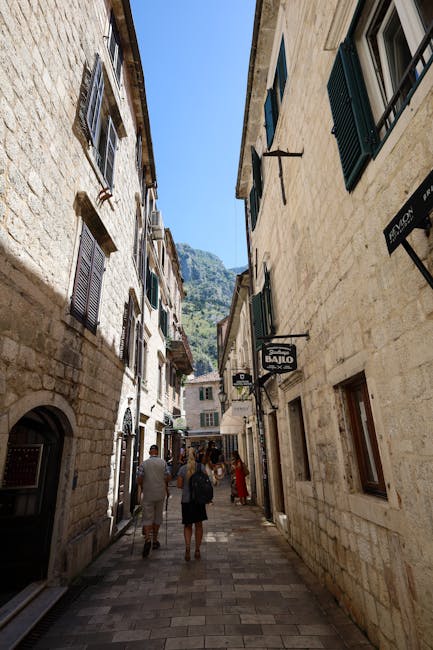
1) Get lost — Kotor’s soul lives in its alleys and squares
Kotor’s old town (Stari Grad) is a maze of cobbled lanes, inner courtyards and small squares where history is written in every stone. The main entrance is the Sea Gate (Vrata od Mora / Sea Gate), officially at Plantaža Trg od Oružja, 85330 Kotor, Montenegro (historic center). When you come through the main gate, resist the pull of lines to the wall ticket office and dive straight into the side streets.
Nearby points of interest to explore on foot:
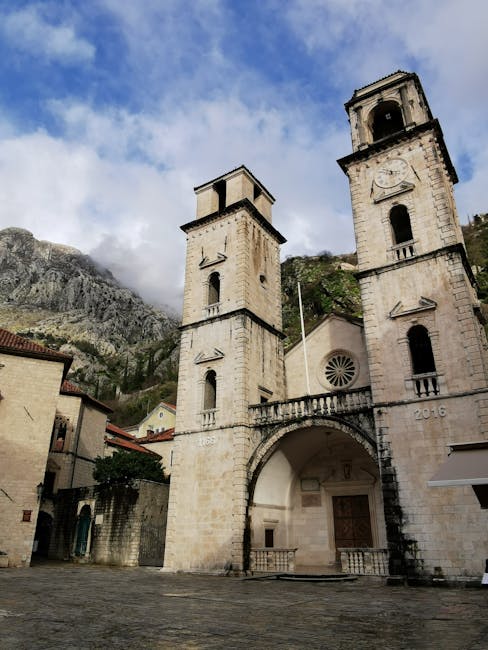
- St. Tryphon Cathedral (Katedrala Svetog Tripuna) — Trg od Oružja, 85330 Kotor, Montenegro. Opening hours: generally open from 09:00 to 19:00 in summer; closes earlier in low season (check on site). Entry: free to visit the cathedral, with occasional paid exhibitions and treasury access (about 2–3 EUR).
- Maritime Museum of Montenegro (Pomorski muzej Crne Gore) — Trg od Oružja 1, 85330 Kotor. Hours: 09:00–17:00 (variable), closed on some public holidays. Price: around 4 EUR. What you’ll see: model ships, navigation instruments and archives on bay trade — essential to understanding Kotor beyond its military past.
- The Clock Tower (Sahat Kula) — Trg od Oružja. An iconic landmark at the heart of the main square, surrounded by cafés and small artisan shops.
Getting lost also means sitting down at Café Galion (Obala 46, 85330 Kotor — waterfront address) or grabbing coffee at the Café del Mare (central Old Town waterfront) to watch boats, listen to languages, read the architecture and feel daily life. The alleys will lead you to artisan workshops, intimate galleries and small shops selling salted anchovies, artisanal olive oil and Njeguški cheese. Prices in the old town vary: a coffee costs roughly 1.50–3 EUR, a simple lunch in a konoba (tavern) around 8–15 EUR. Suggested walk time: allow 2 to 4 hours for a thoughtful wander without aiming for a high viewpoint.
2) By boat — The Bay of Kotor from the water
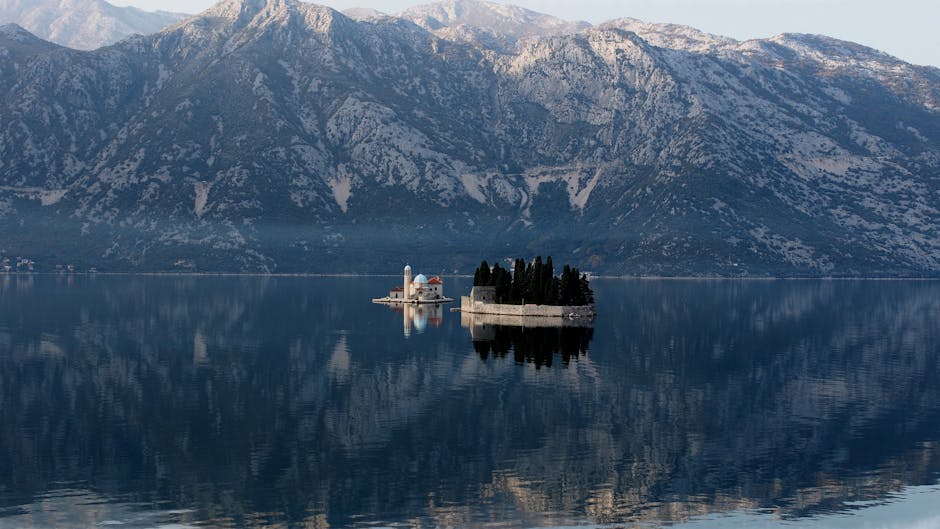
Taking to the water is one of the best ways to grasp Kotor’s maritime significance and to enjoy angles of the bay the wall climb won’t give you. Boat trips, regular connections to Perast and the island of Our Lady of the Rocks are must-dos: accessible, less tiring and extremely photogenic.
Popular, practical options:
- Kotor — Perast — Our Lady of the Rocks boat trip: departures from Kotor’s main quay (Obala 1, 85330 Kotor) or from Perast (Obala 1, Perast, 85332 Kotor Municipality). Price: about 5–15 EUR for a one-way Perast-Kotor shuttle; guided visits 20–35 EUR depending on length and skipper. Schedule: frequent departures from 09:00 to 18:00 in high season; reduced frequency off-season. What to expect: a short crossing (15–30 minutes), a visit to the man-made island Our Lady of the Rocks (entry about 2–3 EUR), a small museum and a baroque chapel.
- Private water taxi hire: several skippers offer half-day or full-day trips to Perast, the small islet of Gospa od Škrpjela, the Luštica peninsula or swim stops. Price: ~40–120 EUR depending on duration and season (split per person if you’re in a group).
- Sunset cruise in the Bay of Kotor: very popular, departures in the evening from the quay at Obala 81, Kotor. Price: around 15–30 EUR per person. Perk: great light, cooler temperatures and coastal villages lighting up.
Local tips: book early in July–August to secure your spot; ask the skipper to hug the coastline so you can see hidden chapels and villas; bring a windbreaker for evening trips. The water perspective highlights the natural amphitheater formed by the mountains around Kotor — something you don’t always get from a single high vantage point on the walls.
3) Markets, food and konobas — Taste Kotor differently
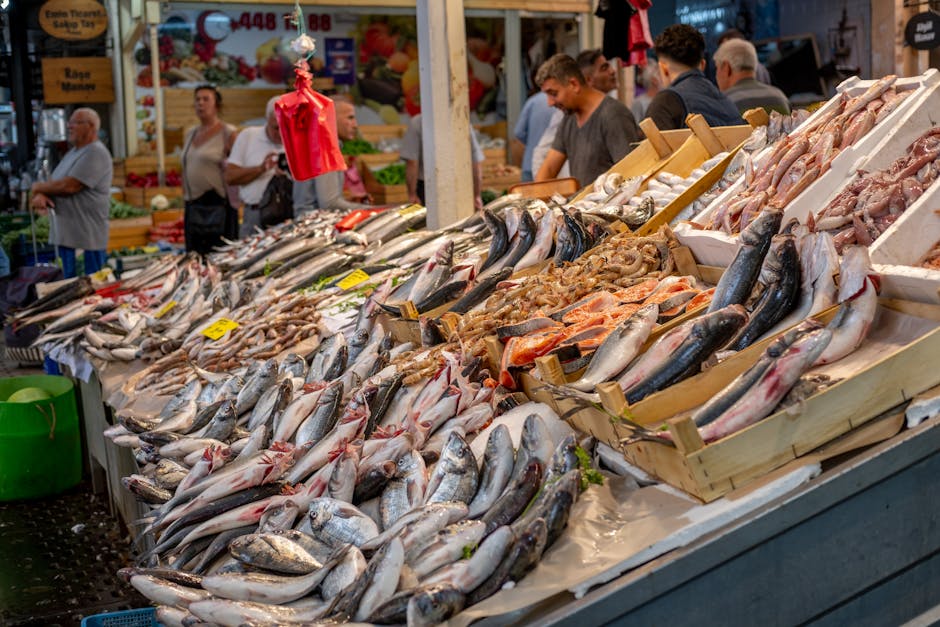
Food and local markets tell the story of a place better than most panoramas. Kotor has both maritime and agricultural traditions — fresh fish, seafood, local olive oil, vegetables and mountain charcuterie like Njeguški prsut — all worth lingering over. Meals taken at the pace of the town offer flavors and encounters.
Recommended food spots and markets:
- Local Market Kotor (Pijaca Kotor) — Obala 33, 85330 Kotor. Hours: mornings 07:00–13:00 (especially Tuesday, Thursday and Saturday). What you’ll find: fish stalls, vegetables, cheeses and artisanal products. Tip: arrive early for the best selection and to bargain quantities for a picnic by the water.
- Konoba Stari Mlini — Obala 36, 85330 Kotor. Hours: 12:00–23:00. Dishes: grilled fish, calamari, seafood risottos. Price: mains between 10–22 EUR. Atmosphere: rustic interior, stone tables, warm service. (Check seasonal hours.)
- Restaurant Galion — Obala 54, 85330 Kotor. Hours: 12:00–23:00. Price range: 15–35 EUR depending on dishes and wine. View: terrace overlooking the bay entrance, great selection of Montenegrin wines.
- Mjesečina Gelato & Coffee — Stradun / central alley, near Trg od Oružja. Hours: 08:00–22:00. A gelato stop made with local ingredients, price ~2–4 EUR.
Practical tips: order dishes to share — konoba dining is communal; try fërges (Mediterranean-style grilled fish), octopus salad and, for dessert, a local plum tart. Montenegrin wines to try: Vranac (red) and Krstac (white). Restaurant prices vary; factor in a service charge or tip (5–10% if service is good).
4) Hike alternatives — Vrmac, Lovćen and coastal walks
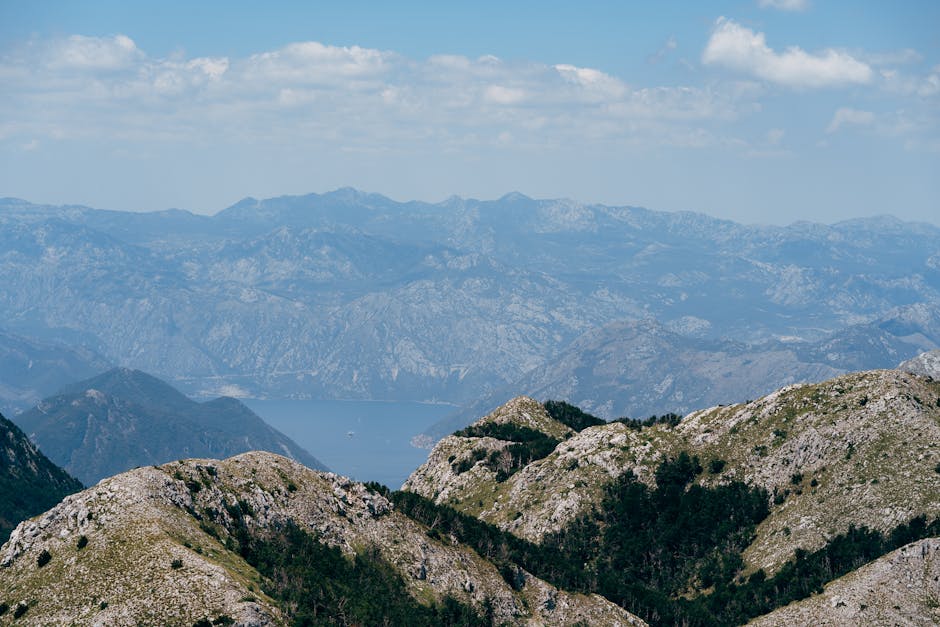
If you want to avoid the steep, crowded wall climb but still connect with nature and panoramic views, several routes offer equally beautiful — sometimes broader — views and a deeper sense of place. The Vrmac ridge, Lovćen National Park and coastal paths are great options.
Routes and practical info:
- Vrmac Ridge Hike — trailheads from Donja Lastva or Trojica (about 10–20 minutes by car from Kotor). Practical address: Parking near Donja Lastva, 85331 Tivat Municipality. Duration: 2–4 hours depending on route. Difficulty: moderate. Perk: panoramic views over the Bay of Kotor without the urban climb; less crowded than the walls. Tip: bring water, a hat and hiking shoes; start early to beat the heat. Free.
- Lovćen National Park — climb to Njegoš Mausoleum: access via Njeguši (Njeguši village, 85325 Cetinje Municipality). Hours: the park is open year-round, mausoleum usually 09:00–17:00. Price: combined park/mausoleum ticket around 3–6 EUR. What you’ll get: sweeping views of the bay and Montenegrin coast, traditional villages and local cheesemakers. From Kotor, allow 45–60 minutes by car.
- Kotor–Tivat coastal walk — from Kotor Old Town toward Muo and Stoliv (along the Obala, strolling the bay). Distance: 5–10 km depending on route. Easy, relaxing, with access to small beaches and waterfront restaurants. Perfect for late afternoon.
Local advice: if you rent a car to reach Vrmac or Lovćen, park where indicated and follow signage; some paths aren’t well marked, so bring a map and a phone charger. The panoramas from these alternatives encompass the whole bay and surrounding ranges, giving a fuller reading of the landscape than the limited slice you get from a single spot on the city walls.
5) Culture, events and local life — festivals, music and artisans
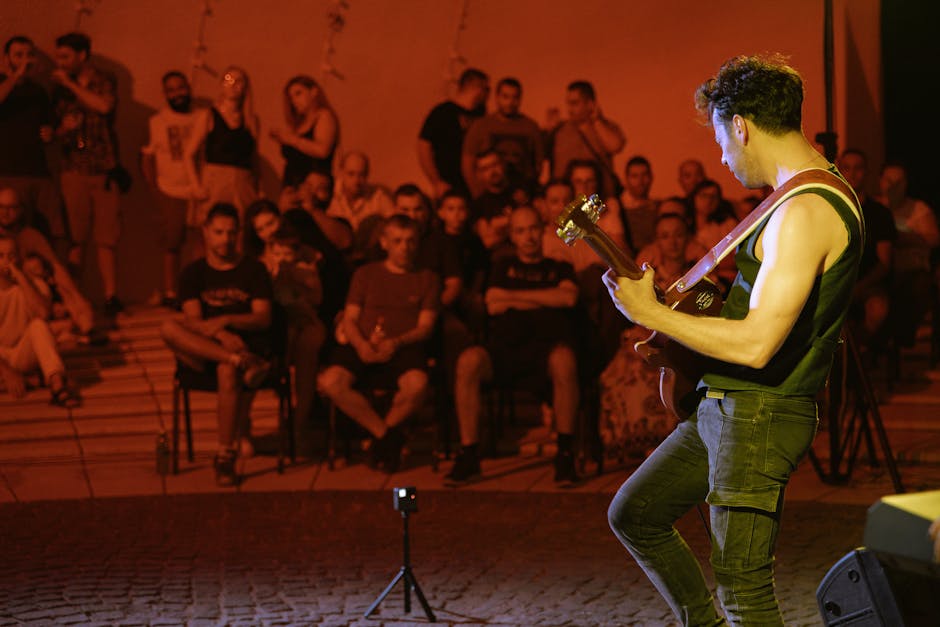
Kotor is a living town, not just a backdrop for photos. Cultural life — festivals, concerts, exhibitions and craft traditions — is what gives the destination depth. Going to a church concert, a classical music festival or simply watching a local procession will enrich your connection with the place more than collecting panoramic selfies.
Cultural activities and addresses:
- Kotor Festival (Kotor Festival of Theatre and Music) — various venues across the old town, often around Trg od Oružja and St. Tryphon Cathedral. Dates vary (summer season); tickets: from 5–30 EUR depending on the event. Perk: music, theatre and dance performed in a remarkable historic setting.
- Open Art Contemporary Gallery — Stradun / central alley, Kotor Old Town. Hours: 10:00–18:00. Entry often free or donation-based. Rotating exhibitions by local artists.
- Craft workshops (stone carving, filigree, textiles) — sprinkled through Stari Grad (check local signs). Many artisans open their doors for demonstrations; you can buy directly from them, which supports the local economy.
Tip: check with the local tourist office (Kotor Tourist Organization, Trg od Oružja 7, 85330 Kotor — typically open 08:30–16:30) for current programming. Attending a local event lets you meet residents, hear stories and better understand Bay of Kotor life — things a wall selfie won’t give you.
Conclusion — Redefining what matters in Kotor
The wall climb and Saint John Fortress are undeniably impressive and worth visiting for those who want and can manage the effort. However, treating that ascent as the essence of Kotor is limiting. The town reads best at street level — through its winding alleys, fragrant squares, markets, museums and, importantly, from the water. The alternatives in this guide — strolling the old town, taking a boat to Perast and Our Lady of the Rocks, dining in authentic konobas, hiking Vrmac or visiting Lovćen and joining cultural events — provide a richer, more nuanced understanding of the area.
Specifically, a visit to the Maritime Museum (Pomorski muzej Crne Gore, Trg od Oružja 1, 85330 Kotor, price ~4 EUR, typically open 09:00–17:00), seeing St. Tryphon Cathedral (Trg od Oružja, varying hours), and a boat crossing to Perast (Obala 1, Perast — shuttle approx. 5–15 EUR) are direct experiences that tell the story of the locals’ relationship with the sea. Don’t forget the local market (Obala 33) to touch, taste and smell bay produce, nor the Vrmac trails or Lovćen National Park for panoramas without the crowds on the walls.
Practical final tip: if your goal is a human and culinary immersion, spend several hours in the old town, seek out small museums and galleries, book a short cruise and plan an outing for late afternoon for the best light and cooler temperatures. If, on the other hand, the high-altitude view is non-negotiable for you, go early in the morning (or late afternoon) to avoid heat and crowds, and complement the experience with a boat trip the next day. Kotor is multi-faceted; the essential thing isn’t one climb but the ability to discover it from different angles — maritime, culinary, cultural and human.