Introduction — Why a local morning in Kotor is worth every minute
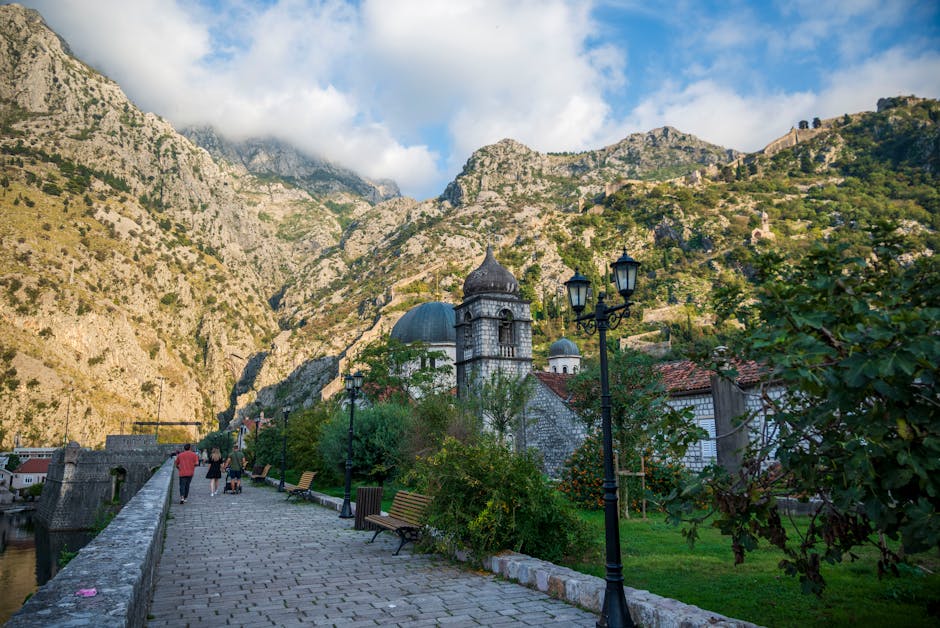
Kotor, a medieval town clinging to the fjord of the Bay of Kotor (Boka Kotorska), is best explored on foot and especially early in the morning, when the light grazes the ramparts and the cobbled lanes still hold the coolness of night. This step-by-step local morning is designed for travelers who want to skip generic tourist circuits and experience Kotor like a resident: specific cafés, the local market, accessible monuments and viewpoints to breathe in the bay before the cruise-ship crowds arrive.
The plan below is a roughly 3–4 hour itinerary, timed to start between 07:30 and 09:00 depending on your pace. It mixes traditional cafés, a focused visit to a major monument, a stroll through the local market and a short but panoramic climb on the city walls. Each step includes exact addresses, prices in euros and typical opening hours so you can set off right away without hunting down extra info on site. Recommendations take practical constraints into account: public toilets, drinking-water refill points, alternate options if a place is closed, plus safety and comfort tips (shoes, light clothing, sun protection).
Why 4 steps? Because a local morning should stay light: no overload of sights, just memorable, concrete highlights. You’ll have time to chat with shopkeepers, buy fresh produce at the market, sit on a café terrace popular with locals, and climb a section of the walls for a view that alone makes the early start worthwhile. The step-by-step format prevents wandering, helps you respect venues’ schedules and optimizes walking through the often-narrow lanes of the old town.
Before you start, here’s a minimal checklist to prepare the night before:
- Documents: bank card (many places accept card payments), ID
- Clothing: light walking shoes with grip, hat or cap, sunglasses
- Gear: reusable water bottle (refill points noted), small backpack, charged camera or smartphone
- Cash: €20–40 in small notes for minor purchases (cafés, tips, market)
- Times: check your afternoon boat, bus or guided tour departure time
Step 1 — Local breakfast and coffee (45–60 minutes)
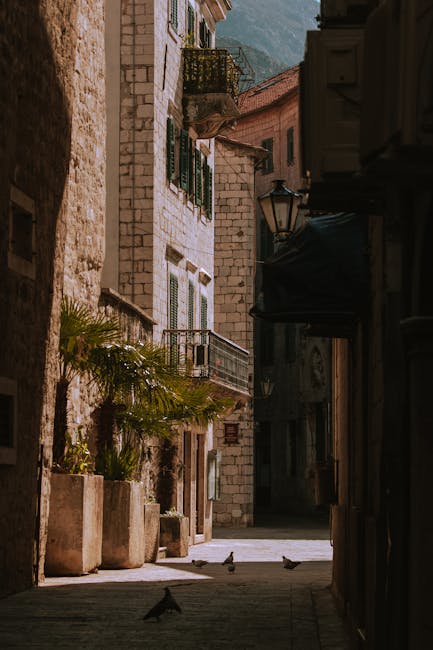
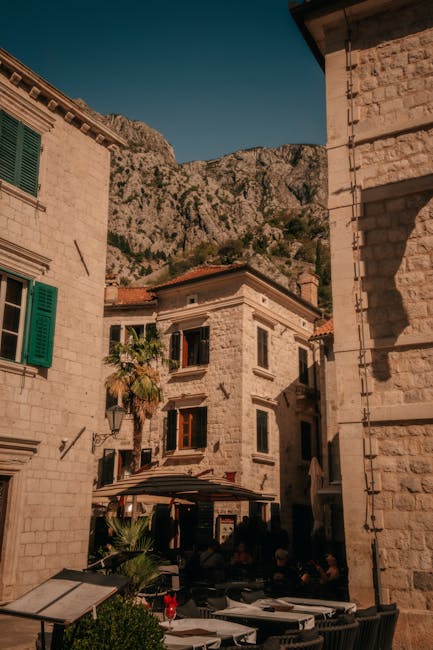
Goal: start the morning like a Kotoran — strong coffee, a homemade pastry and a bit of people-watching on the main square.
Recommended address: Caffe Bar ‘Prčanj’ (terrace in the old town) — Trg od Oružja 6, Stari Grad Kotor, 85330 Kotor, Montenegro. Hours: open 07:00–22:00 (daily). Typical prices: espresso €1.20; cappuccino €1.80; burek or pažnja (local savory pastry) €1.50–2.50.
Practical route:
- Arrive at the Sea Gate (Vrata od Mora) — the main entrance to the old town — and follow signs to Trg od Oružja (Guns Square).
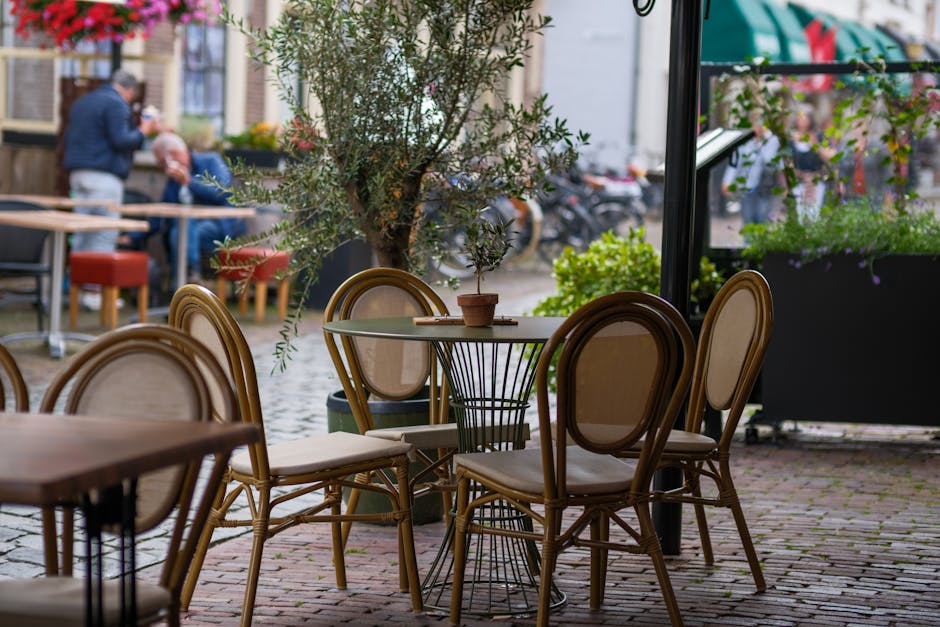
- Take a seat on the terrace of Caffe Bar ‘Prčanj’ if sunny spots are available: the terrace looks onto the square and is perfect for watching vendors setting up and the nearby churches.
- Order a local coffee (espresso or macchiato) and a Montenegrin specialty: cheese or chicken burek, or a small cake called ‘kolačić’. Staff often speak English; ask for « bez šećera » if you want it less sweet.
Concrete tips:
- Ask for tap water if you have a refillable bottle — most cafés will give a small glass for free.
- If you prefer something sweet, try krempita (cream pastry); expect around €2.50.
- Time: allow 45–60 minutes if you want to take photos and glance at the map for the rest of the morning.
- Restrooms: available in most cafés; it’s polite to buy something if you use them.
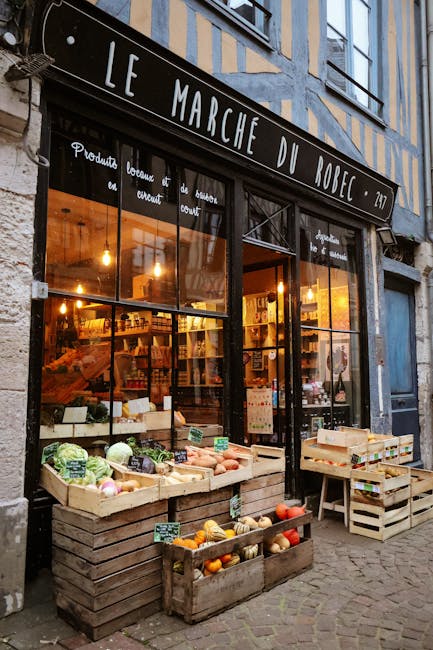
Step 2 — Local market and provisions for later (30–45 minutes)
Goal: visit the daily market to soak up local produce, buy fresh fruit and snacks, and meet some producers. The market opens early and is ideal right after breakfast, before organized groups arrive.
Address: Kotor Farmers’ Market (Podgorička pijaca / Open market near the old town). Location: Riva (waterfront) adjacent to Stari Grad, outside the Sea Gate — Pjaca Riva, 85330 Kotor, Montenegro. Hours: 06:30–13:00 (daily), busiest in the morning until around 10:30. Typical prices: apples €1.00–1.50/kg; tomatoes €1.20–2.00/kg; lokalni sir (local cheese) €6–10/kg; artisanal honey €5–8 per 250 g jar.
Practical route:
- After leaving the café, walk down to the Riva (seafront) toward the Sea Gate — the market runs along the promenade, less than a 5-minute walk from Trg od Oružja.
- Wander between stalls: buy one or two pieces of fruit for the wall climb (apples, grapes or peaches in season) and a jar of local honey if you want an edible souvenir (prices and weights are usually displayed).
- Chat with sellers — a smile and a few words in Montenegrin (« Dobar dan » = hello) open conversations. Ask for « homemade cheese » or « lokalni sir » to taste a sample.
Concrete tips:
- Currency is the euro (EUR). Keep small notes handy to simplify change.
- Stalls rarely accept cards; use cash for small purchases (€5–20).
- If you buy cheese, wrap it in the provided paper and store it in an improvised insulated spot (a bottle + fruits beside it) for the walk up the walls.
- Photograph stalls for memory, but ask permission before photographing people.
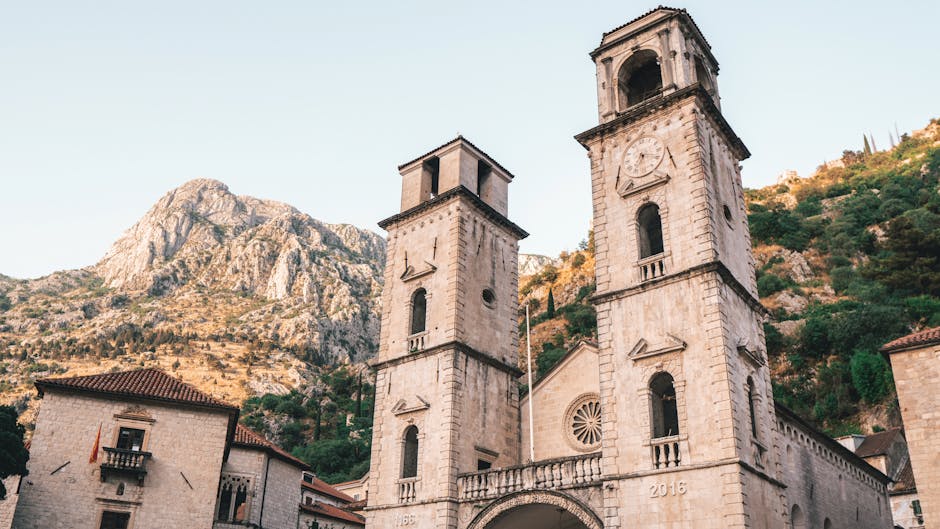
Step 3 — Focused visit: St. Tryphon Cathedral and small museum (45–60 minutes)
Goal: visit one of Kotor’s most iconic monuments — St. Tryphon Cathedral (Katedrala Svetog Tripuna) — and quickly tour the small museum next to it to get a sense of the town’s medieval history.
Address: Katedrala Svetog Tripuna (St. Tryphon Cathedral) — Trg od Oružja 1, Stari Grad Kotor, 85330 Kotor, Montenegro. Usual hours: 09:00–17:00 (high season 09:00–18:00). Admission: around €3.00 for the combined museum and cathedral, free entry to the cathedral outside the museum sections. Audio-guides or brochures in English may be available (€0–1.50 depending on availability).
Practical route:
- From the square, the cathedral is visible and a 1–2 minute walk. Arrive early to avoid tour groups. Buy your ticket at the south entrance ticket desk.
- Interior visit: admire the frescoes, the Romanesque baptistery and the relics. Allow 20–30 minutes if you enjoy architectural photography (respect areas where photography is prohibited). The bell tower is visible from the square if the museum doesn’t allow climbing.
- Adjacent museum: displays of liturgical objects, manuscripts and historical artifacts. A small panel outlines Kotor’s timeline (Venice, Ottoman rule, Austro-Hungary). Plan 15–20 minutes for a quick, informative visit.
Practical info and tips:
- Bring a small lightweight backpack: some spaces may ask you to leave large bags at the entrance.
- Religious services: if a mass is in progress, access may be limited. Check the notice at the entrance or call the cathedral that morning (reception staff are often available).
- For interior photos, avoid flash out of respect for the artworks and to preserve the atmosphere.
- Restrooms: available nearby on the square (cafés and public facilities around).
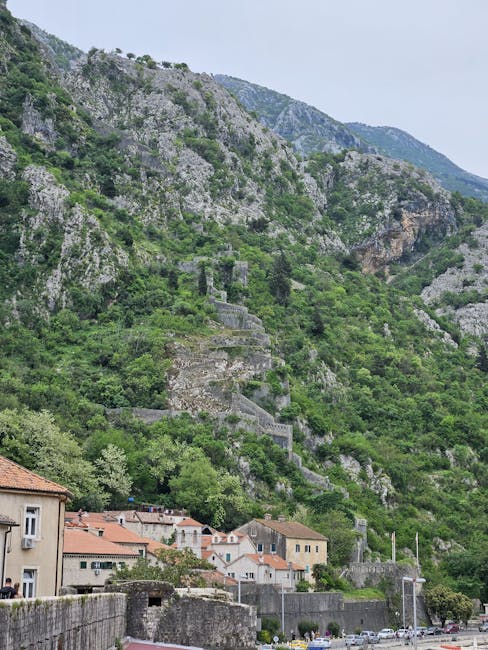
Step 4 — Short climb on the city walls up to the Fortress Gate (1–1h30)
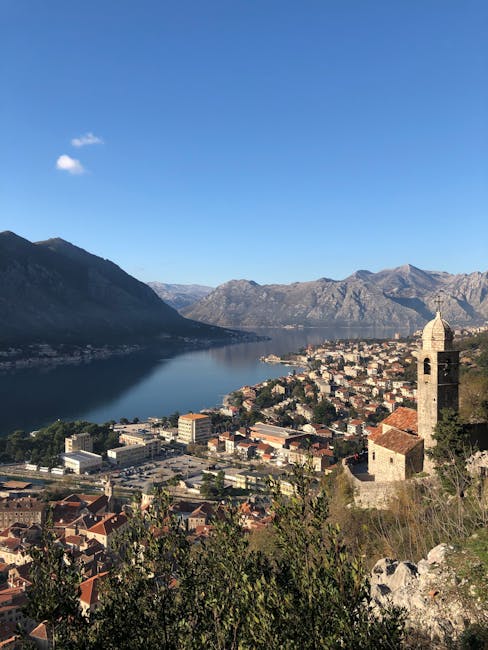
Goal: finish the morning with a climb on the walls to get panoramic views over the old town and the bay — the perfect spot for photos and to enjoy the market buys with a sea view.
Starting point: wall staircase near the northwest gate (remparts entrance / Park Gate area) — Main entrance to the walls: Morska Vrata / Sea Gate side access, Stari Grad Kotor. Practical landmark: start at the path rising behind the Church of Our Lady of Health (Crkva Gospa od Zdravlja), close to Trg od Oružja. Hours: 08:00–19:00 (high season). Approximate rates: €8.00 for full access to the walls up to the fortress (adult ticket), reduced €4.00 (children/students with ID).
Practical route:
- From the cathedral, head to the entrance marked « City Walls » or follow signs for « To Fortress ». The stairway starts with a run of steep steps, then stone paths.
- Climb steadily — the first section up to the Fortress Gate (St. John’s Fortress direction) takes about 30–45 minutes depending on pace and photo stops. Bring your water bottle (refill it at the café you visited or at public taps on the Riva).
- Halfway up you’ll find natural viewpoints where you can sit and eat the fruit you bought at the market. The view over the red-tiled roofs and the entire bay is spectacular.
Practical and safety tips:
- Shoes: the paving is uneven and slippery after rain. Wear closed, grippy shoes.
- Time & energy: if you’re short on time or prefer a shorter option, climb only to the small intermediate chapel of Our Lady of the Rocks for a satisfying view (about 20–30 minutes up).
- Ticketing: pay by cash or card at the ticket point at the foot of the walls. Keep your ticket — it may be checked at several points.
- Photo spots: recommended viewpoints — the northern shoulder of the walls to capture the old town below and the bay, and the orientation panel at the top that locates nearby villages (Perast, Tivat).
- Return: descend the same way or continue along Cesta Komiteta for a calmer return on the eastern side of the old town.
Checklist for the climb and return
- Ticket for the walls (€8.00)
- Filled water bottle (minimum 0.5 L)
- Hat / sunglasses
- Charged phone + extra memory for photos
- Small snacks or fruit bought at the market
- Light bag; leave heavy items at your hotel if possible
Conclusion — Practical recap and variations to suit your interests
This local morning in Kotor in 4 steps is designed to be walkable, compact and rich in experiences: a traditional café to kick off, the market to taste the region and buy provisions, a focused visit to St. Tryphon Cathedral for culture and history, and finally a climb on the walls for panoramic views. Altogether plan on 3 to 4 hours depending on your pace and photo stops.
Estimated budget for the morning (per person):
- Breakfast: €2.00–5.00
- Market purchases: €3.00–10.00
- Cathedral / museum entry: ~€3.00
- Walls: ~€8.00
- Approximate total: €16.00–26.00
Variations and options depending on weather or interests:
- If it’s rainy, swap the wall climb for longer museum time: the Maritime Museum of Montenegro (Pomorski Muzej Crne Gore) — Trg od Oružja 1, 85330 Kotor — fee ≈ €4.00, hours 09:00–17:00. Check local opening on the day.
- If you want more culture, add a visit to the Grgurina family house (a small house-museum) located in the old town (addresses available on site) before heading up the walls.
- If you’re driving, park early at « Parking Muo » near the main road (rates vary). Walking into the old town remains the most pleasant way to arrive.
Final tips:
- Start early to enjoy soft light and to avoid cruise ships that unload large numbers of visitors into the old town around 10:30–11:00.
- Respect places of worship and residents: dress appropriately in churches, and avoid loud behavior in residential alleys.
- Always keep a small amount of cash for market purchases and tips (€0.50–1.00 is usually enough for café service).
- Note the posted hours: they apply during the normal tourist season but can change for religious holidays or off-season.
With this itinerary you step out of the « tourist » mode and start Kotor like a local — taking time to hear the bells, taste fresh produce and climb the stones that tell the bay’s history. Enjoy your morning, and don’t forget to come back to explore Perast or take a boat to Our Lady of the Rocks if you have the afternoon free — they’re natural extensions of this morning experience.