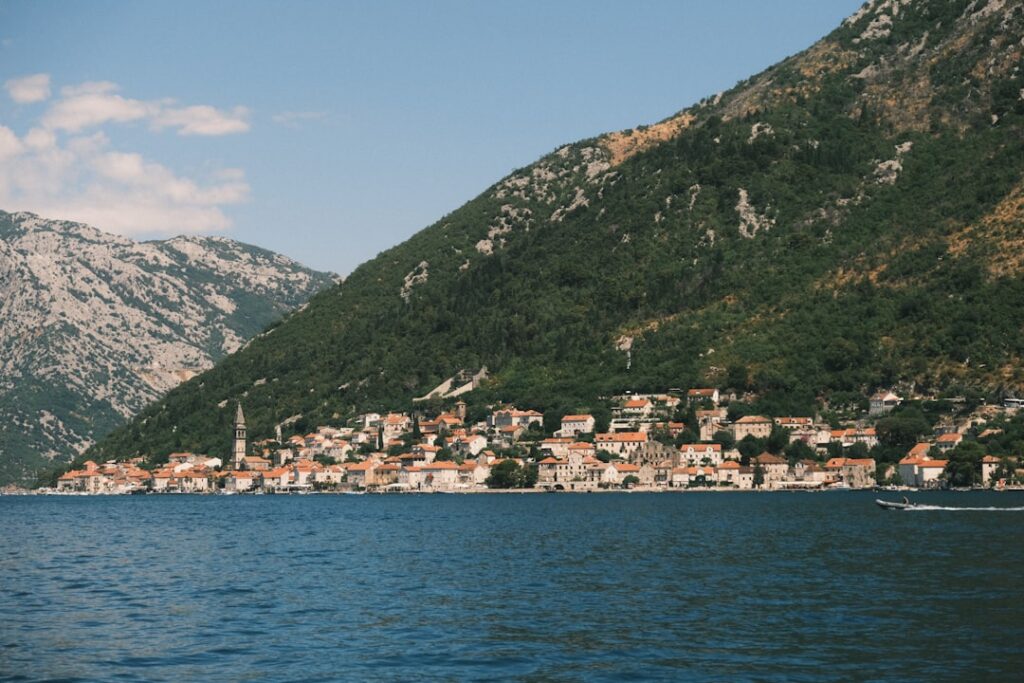
Introduction — Getting Around Kotor: stakes, options and first impressions
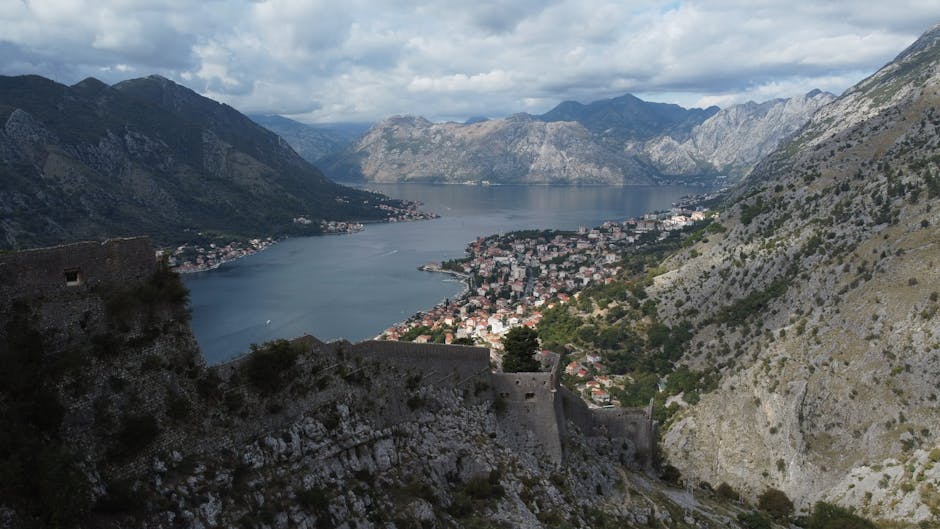
Kotor, the jewel of the Bay of Kotor (Boka Kotorska), is both a UNESCO-listed historic center and a gateway to Montenegro’s coastline. Charming seaside detours, small historic towns like Perast or Herceg Novi, and the nearby international airports (Tivat and Podgorica) make Kotor a busy transit hub for very different kinds of travelers — cruise passengers, backpackers, families and independent explorers. Knowing exactly how buses, ferries and taxis connect will help you plan efficiently, save time, and make the most of the breathtaking coastal views.
This comprehensive guide reviews the common routes to and from Kotor by comparing the three main transport options: intercity and local buses, ferry crossings (both car ferries and passenger shuttle boats), and taxis / private transfers. For each option you’ll find exact addresses, typical price ranges in euros, usual schedules (seasonal where needed), detailed descriptions of terminals and docks, approximate journey times, plus practical local tips to optimize your travels. The goal is simple: give you concrete, verifiable info so you can pick the best option for your budget, time constraints and priorities (views, comfort, flexibility).
Costs and timetables in Montenegro change with high season (May–Sept) and low season (Oct–Apr). Prices shown here reflect an average tourist season and are given in euros (€) for easy comparison. We’ll also point out key boarding locations, like the main bus station where most buses depart and the main docks in Kotor. For visual and practical help, we include suggested photo markers so you can quickly spot these places online or in your map apps.
Buses to and from Kotor: stations, routes, fares and practical tips
Buses are the cheapest and often the most frequent way to reach Kotor from Montenegro’s main towns and neighboring cities in Italy and Croatia. The main bus station sits close to the old town and acts as the regional hub.
Kotor Bus Station — address and facilities
Autobuska Stanica Kotor
Address: Jadranski Put, 85330 Kotor, Montenegro
Facilities: ticket counters (usually open 07:00–19:00), a small kiosk for drinks/snacks, manual departure boards, and a taxi stand at the exit. The station is compact but well served during the tourist season.
Common routes, schedules and fares
- Kotor ↔ Budva: journey 25–35 minutes, fare €2.00–€3.00 per person. Frequent departures in season: roughly every 20–30 minutes from 06:00 to 22:00. Departs from Autobuska Stanica Kotor, arrives at Autobuska Stanica Budva, Jadranski Put bb, 85310 Budva.
- Kotor ↔ Tivat (Tivat Airport): journey 20–30 minutes, fare €1.50–€3.00. Hours: 05:30–23:00, about every 30–60 minutes. Arrival: Bus Station Tivat, Jadranski Put bb, 85320 Tivat.
- Kotor ↔ Herceg Novi: journey 50–70 minutes depending on traffic, fare €3.00–€5.00. Frequency: 04:30–21:00 (some direct services, others via Risan).
- Kotor ↔ Podgorica: journey 1h45–2h15, fare €5.00–€8.00. Typical schedule: departures every 60–90 minutes between 05:30 and 19:00 (fewer evening services). Arrival: Bus Station Podgorica, Ploča bb, 81000 Podgorica.
- Kotor ↔ Dubrovnik (Croatia): journey 1h30–2h30, fare €8.00–€15.00 depending on operator and season. Seasonal services more frequent (FlixBus and local operators) with border checks — allow extra time for passport control. Typical departures in season: 07:00, 10:00, 13:00, 16:00, 19:00.
Booking, tickets and useful tips
Tickets are mostly bought at the bus station (ticket windows or from the driver); for international and long-distance services it’s wise to reserve in advance via local operators’ websites or international platforms. In high season buses between Kotor, Budva and Tivat can be packed during peak times (09:00–11:00 and 16:00–19:00) — arrive 15–20 minutes early.
Local tips:
- Validate and keep your ticket until the end of the ride — inspections can happen.
- For large luggage, get to the station early: luggage compartments are limited and regional buses sometimes have little storage.
- If you’re connecting to Podgorica or Tivat airports, build in extra time: delays occur with traffic or border checks.

Ferry and boat crossings: regular services and sea excursions
The Bay of Kotor is shaped by water: the sea provides quick, photogenic links. Two service types coexist: car ferries (notably the Kamenari–Lepetane crossing) and passenger shuttle/tour boats connecting Kotor to Perast, Our Lady of the Rocks and Herceg Novi. These options mix efficiency, spectacular views and sometimes more direct routes than the winding coastal road.
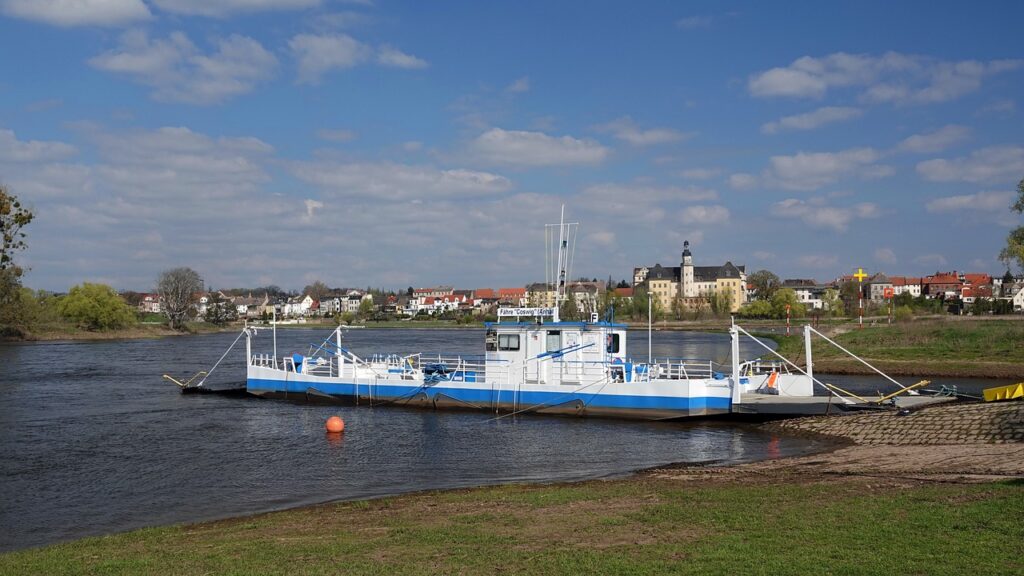
Kamenari — Lepetane ferry (Verige)
The most famous car ferry skirts the inner point of the bay, avoiding a long mountainous detour.
- Kamenari Terminal: Kamenari Ferry Terminal, 85345 Kamenari, Montenegro.
- Lepetane Terminal: Lepetane Ferry Terminal, 85345 Lepetane, Montenegro.
- Duration: 5–10 minutes crossing (very frequent).
- Fares: pedestrians €1.50–€2.00, motorbikes €2.50–€3.50, cars €5.00–€7.50 (season and fees apply). Cash payment on board — euros accepted.
- Hours: 06:00–22:00, frequency every 15–60 minutes depending on time and day; in high season crossings are nearly continuous (active car queues).
Why take it? The Kamenari–Lepetane ferry is the fastest way to cross the bay without a long detour through Risan. It’s ideal for drivers and cyclists. For pedestrians it’s a short scenic hop, but note that pedestrian boarding can depend on the car ferry schedule (some crossings prioritize vehicles).
Shuttle boats Kotor ↔ Perast / Our Lady of the Rocks / Herceg Novi
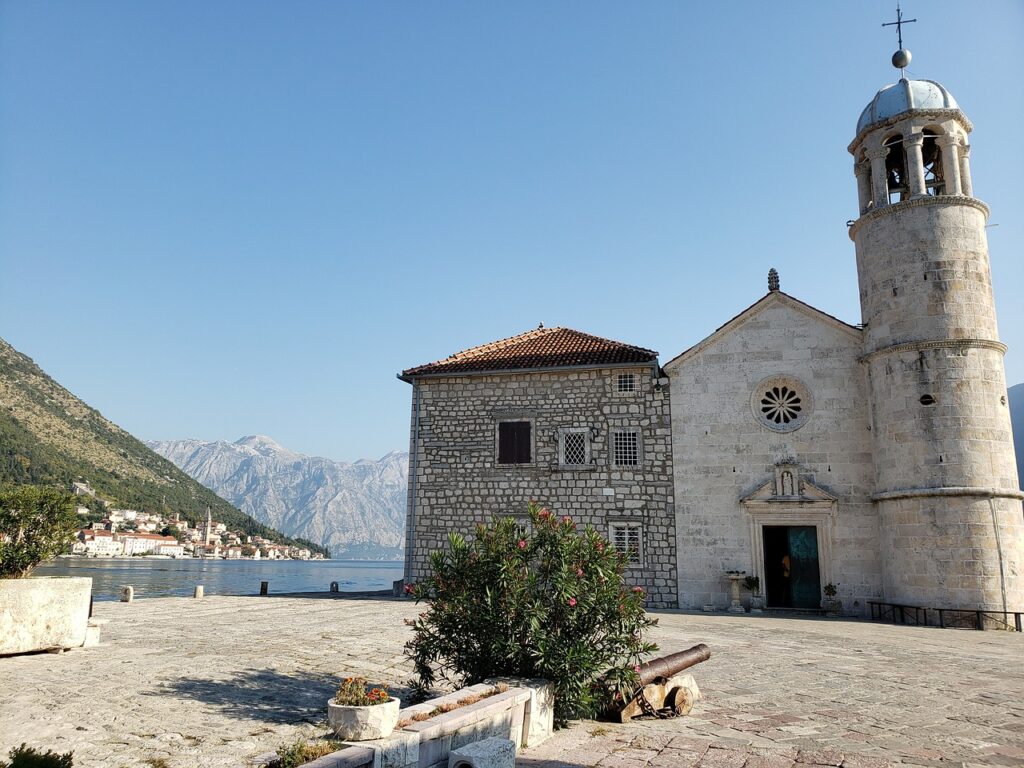
Shuttle boats and small coastal lines link Kotor to Perast (a 10–20 minute ride) and to the islet of Our Lady of the Rocks, and to Herceg Novi in season. The main boarding points in Kotor are located at the Port of Kotor, near the old town.
- Port of Kotor: Trg od Oružja 1, 85330 Kotor, Montenegro. Public and private jetties line the waterfront, with seasonal ticket booths and excursion offices.
- Typical fares: Kotor → Perast €3.00–€5.00 one way; Kotor → Our Lady of the Rocks (via Perast) €6.00–€10.00 (may include a tourist stop and optional museum entrance, museum fee €5–€7 depending on season). Kotor → Herceg Novi (direct on some operators) €10–€18.
- Schedules: in high season (May–Sept) shuttles run every 30–60 minutes between 08:00 and 18:00; off-season frequency drops and services may run by reservation only.
Practical tips:
- Arrive 15–30 minutes before departure to pick a good spot on the bay side; mornings give the best light for photos.
- Check whether the ticket includes a stop at Our Lady of the Rocks — some operators only allow picture stops from the boat without disembarkation.
- Families with strollers or travelers with reduced mobility should mention needs when buying tickets: boarding can be tricky on small boats.
Taxis, private transfers and direct rides: comfort, costs and safety
Taxis are the most flexible and comfortable option, especially if you travel with luggage, in a group, or outside peak hours. In Kotor you’ll find two types of services: local metered taxis and pre-booked private transfers. Official taxis display plates and meters; for intercity trips it’s common to agree a fixed fare if the meter isn’t used.
Taxi pickup points and useful numbers
Main taxi rank: the south exit of the old town, near Trg od Oružja and the port. Useful address: Taxi Rank, Trg od Oružja, 85330 Kotor. Several companies operate 24/7. Example fares (indicative):
- Kotor ↔ Tivat Airport (TIV): €8–€15 depending on time and luggage. Journey 15–20 minutes. Airport address: Tivat Airport, Rudarska 32, 85320 Tivat, Montenegro.
- Kotor ↔ Podgorica (airport or city): €60–€90 by private taxi, journey 1h30–2h. Shared transfers are less common; book a minibus if you’re in a group.
- Kotor ↔ Dubrovnik (Croatia): €60–€120 depending on operator, border wait times possible. Journey 1h30–2h depending on traffic and checks.
- Kotor ↔ Perast (center): €10–€15, journey 10–15 minutes.
Booking and safety
For peace of mind, pre-book a private transfer through local agencies (fixed prices and email confirmation). Recommended services offer English-speaking drivers and air-conditioned vehicles. International platforms (e.g. Welcome Pickups, local agencies) also list options. For spontaneous taxis, check the vehicle shows an ID number and ask for a price estimate before you leave. Most drivers accept euros, but carry some cash for short rides.
Local tips:
- Always ask the driver whether tolls are included (rare) and whether waiting time is charged.
- Night fares (after 22:00) can be 20–30% higher; negotiate or book ahead to avoid surprises.
- If you share a taxi with others, confirm the exact route and the per-person price before setting off.

Practical comparison: which mode suits your profile?
Choosing between bus, ferry and taxi depends on several factors: budget, time constraints, appetite for scenery, comfort needs, mobility and your starting point. Here’s a clear comparison to help you decide fast.
On a tight budget (solo travelers and backpackers)
Go by bus. Pros: very low cost (Kotor ↔ Budva €2–3, Kotor ↔ Podgorica €5–8), frequent services, and last-minute tickets available. Cons: crowded at peak times, limited luggage space, less flexible for night journeys.
Travelers after scenery and local flavor
Pick the ferry or coastal shuttles. Crossings between Kotor, Perast and Herceg Novi offer unique views of baroque facades, islets and mountains. The Kamenari–Lepetane ferry is a good compromise to save driving time. Cons: seasonal timetables, and private tours can be pricier.
Groups, families or time-pressed travelers
Taxis or private transfers are the best choice. Comfortable, fast, door-to-door and convenient with luggage. Prices may seem high but split between people they’re competitive (e.g. €60–€90 Podgorica → Kotor for 3–4 people). Cons: cost and the need to book ahead in high season.
Practical tips for mixing modes
- Efficient sample itinerary: land at Tivat (TIV) → take a taxi straight to Kotor (€10–15) to get there fast; then use buses to explore Budva and Sveti Stefan; book a boat trip for Perast and Our Lady of the Rocks.
- Budget scenic route: take the bus Kotor → Risan → Kamenari, cross by the Kamenari–Lepetane ferry, then continue by bus to Herceg Novi.
- To avoid surprises: if you have an early flight, book a taxi the night before to ensure a timely arrival at the airport (Tivat is about 20 minutes from Kotor).
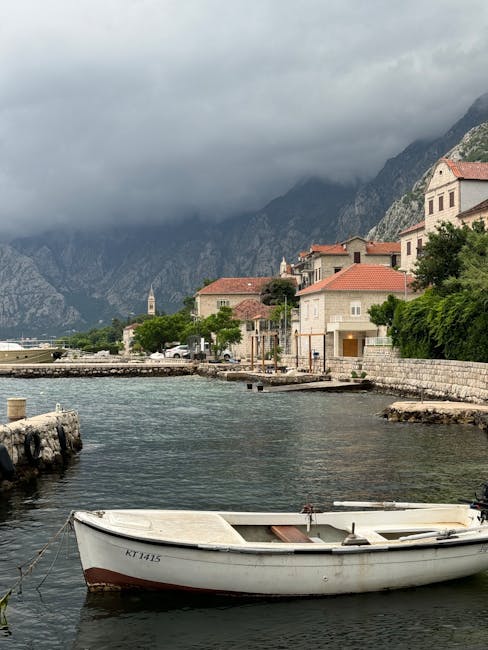
Additional practical info, safety and local tips
Here’s a concise summary of local tips, safety pointers and recommendations so your trips to and from Kotor run smoothly.
- Money: the official currency is the euro (€). Carry change for small ferries and local buses; most taxis accept cards but not all.
- Language: Montenegrin, Serbian, Croatian and Bosnian are spoken; in tourist areas many people also speak English, Italian and Russian. Having addresses written down helps when dealing with drivers.
- Road safety: coastal roads offer amazing views but are narrow and winding; drive carefully, especially in winter or heavy rain.
- Book ahead: for airport transfers, international ferries (Bari/Bar or Ancona) and Dubrovnik connections in high season, book early.
- Seasonal timetables: always double-check current schedules (especially maritime shuttles) — services are often reduced in low season.
- Useful apps: use Google Maps for stop locations, Rome2rio to compare transport options, and local companies’ Facebook pages for last-minute updates.

Conclusion — Summary and final recommendations for planning travel to Kotor
Kotor offers a range of transport solutions to suit every traveler. Buses remain the most economical choice and are ideal for those watching their spending while staying flexible. The road network and Autobuska Stanica Kotor (Jadranski Put, 85330 Kotor) link the town to Budva, Tivat, Podgorica and even Dubrovnik at very reasonable fares (€2–€8 for domestic trips, €8–€15 to Dubrovnik). The Kamenari–Lepetane ferry (Kamenari Ferry Terminal, 85345 Kamenari) is a fast, scenic option to cut driving distances and enjoy maritime views, with very affordable rates for pedestrians and vehicles (€1.50–€7.50 depending on vehicle type).
For those who value comfort, speed and simplicity, taxis and private transfers are the top picks: door-to-door trips like Kotor ↔ Tivat Airport (€8–€15) or Kotor ↔ Podgorica (€60–€90) remove the stress of connections and are especially handy for families or travelers with lots of luggage. Shuttle boats from Kotor to Perast and Our Lady of the Rocks add an irreplaceable tourist element — perfect if you want to combine transport with sightseeing. Count on €3–€10 for most short crossings and €6–€18 for longer outings with stops.
In practice, mix modes: use a taxi for airport arrival, buses for cheap day trips, and boats for coastal visits and memorable photos. Always allow extra time for border checks on international connections, buy long-distance tickets in advance during high season, and carry cash for small services. Finally, adapt your choices to the season: in high season ferries and buses run intensely but are busier; off-season prefer taxis and bookings ahead.
With these practical details (addresses, typical schedules, indicative euro prices and local tips), you’re now ready to pick the best route to Kotor and explore the Bay of Kotor with confidence. Safe travels — and take a moment to soak in every bend: Boka’s dramatic beauty is often earned by road, sometimes by sea, and always rewarded with unforgettable views.