Introduction: Kotor in summer — choosing between bus, ferry and taxi
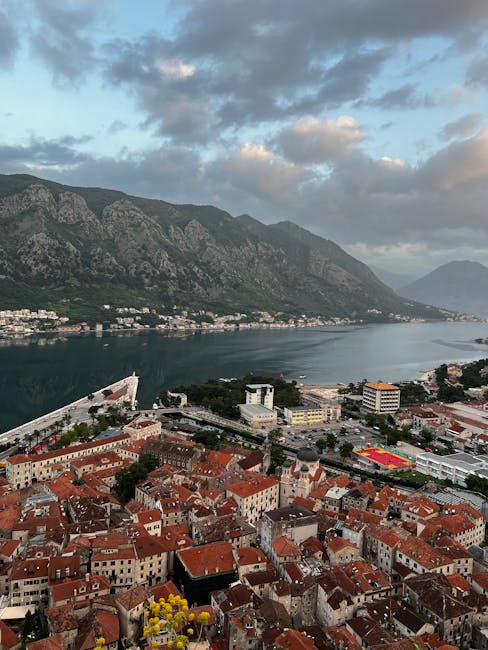
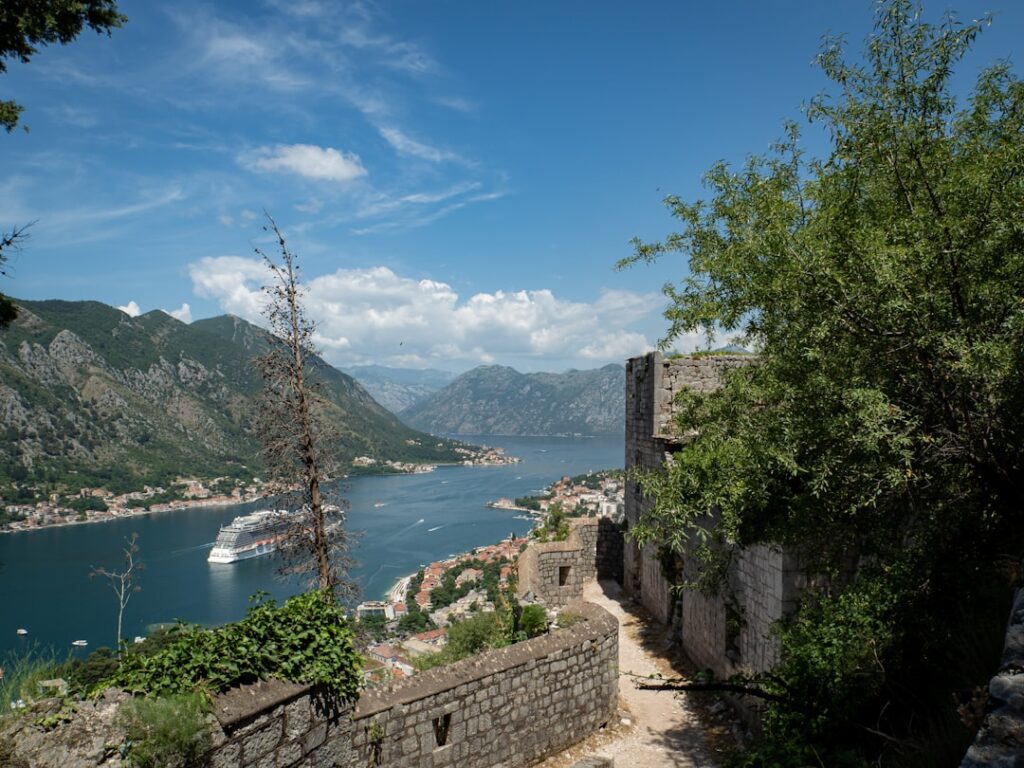
Kotor, the jewel of the Bay of Kotor (Boka Kotorska), is a busy summer hotspot where your choice of transport can make or break the experience. Between the narrow lanes of the Old Town, the vertigo-inducing views from Saint John’s Fortress (Stari Grad, Trg od Oružja, 85330 Kotor, Montenegro) and the coastal day trips along the Adriatic, every transfer becomes part of the adventure. In summer the area is swamped with visitors: cruise ships, rental cars, regional buses, frequent ferries and local taxis all share the space. Which is best — bus, ferry or taxi — depends on several factors: budget, time constraints, comfort, whether you prefer sea or road views, and the accessibility of the places you want to reach.
This practical guide, written in a clear, travel-blogger tone, helps you weigh the pros and cons of each option and gives hands-on info: exact addresses, sample prices in euros, typical high-season timetables, vivid route descriptions and local tips to get around smarter. We cover common connections (Kotor–Budva, Kotor–Tivat, Kotor–Herceg Novi, Kotor–Dubrovnik), the ferry crossings (notably the Kamenari–Lepetane shuttle), and taxi use within the fortified town and along the coast. You’ll also find recommendations about luggage, accessibility, peak hours and how to avoid long queues in July–August.
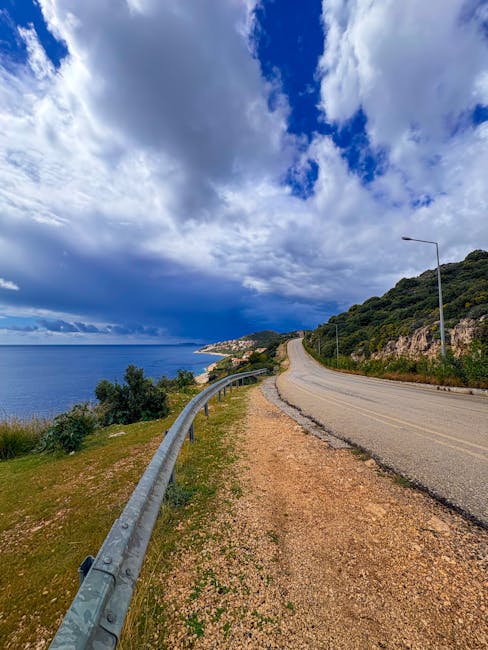
The Bay of Kotor serves up dramatic seascapes: mountains plunging straight into the sea, Venetian villages lining turquoise coves. Choosing the ferry often means prioritizing the view and a fresh sea breeze; the bus is the economical, frequent option; taxis offer flexibility and comfort, especially when you’re traveling off the main tourist routes or carrying heavy bags. Keep in mind timetables and fares can vary a little by season and operator — this guide gives solid starting points and useful addresses to verify details in real time.
We’ve added visual cues throughout this article 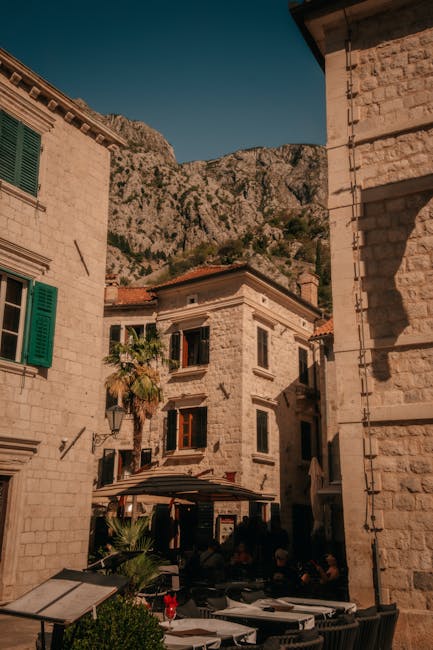 to help you picture each transport situation. After this introduction you’ll find detailed sections on buses, ferries, taxis, then a practical comparison and final tips. At the end a conclusion summarizes which option to favor depending on your traveler profile — budget-conscious, scenery-seeker, in a hurry, or traveling with family. Lace up your walking shoes, pack sunscreen and keep a map handy: in summer, Kotor is lively, and picking the right transport can turn an ordinary day into a memorable one.
The buses: economical and regular
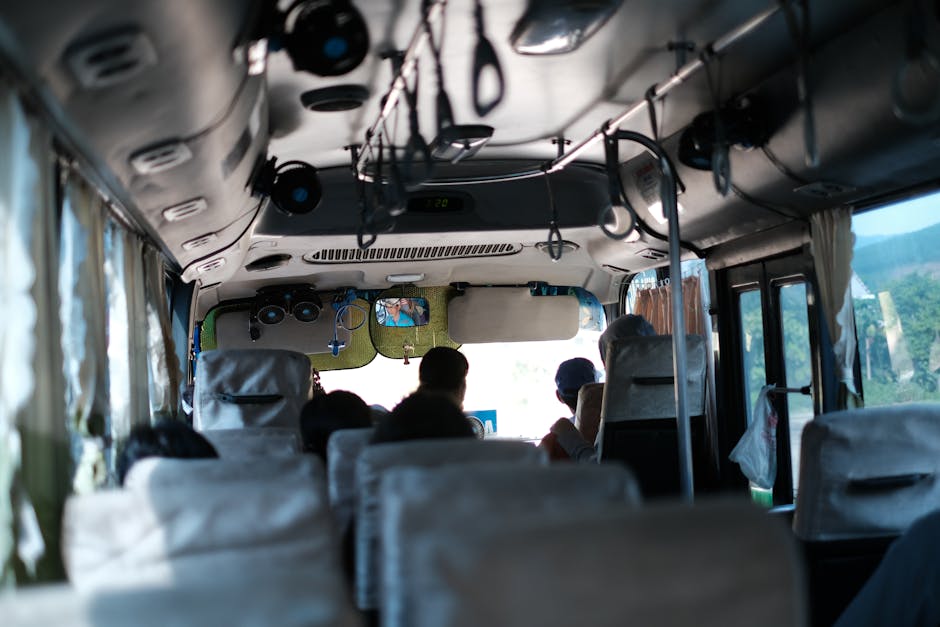
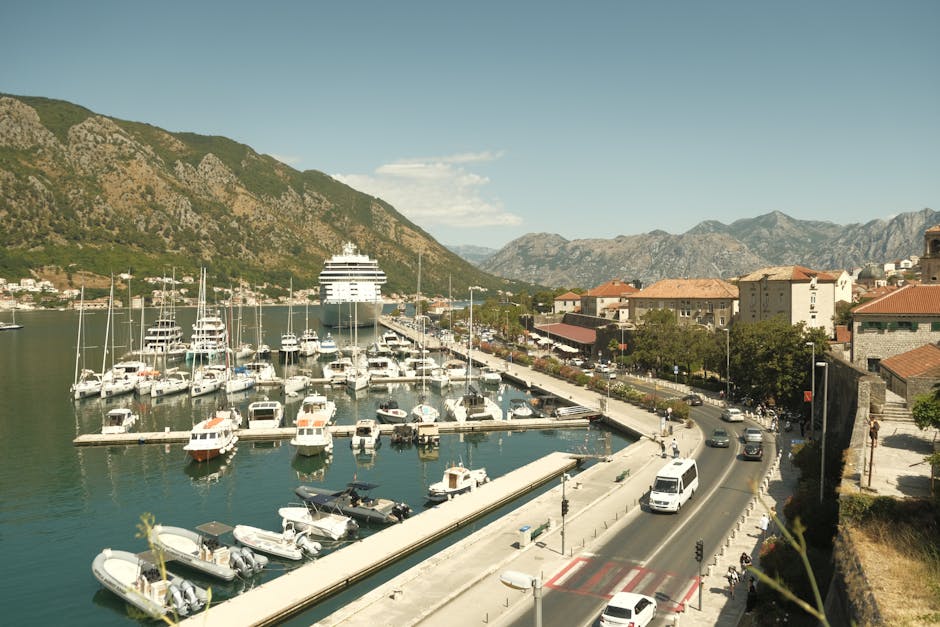
The bus network around Kotor is the go-to choice for travelers on a budget. The main bus station is commonly called Autobuska stanica Kotor or Kotor Bus Station, located close to the Old Town, often listed at: Trg od Oružja 1, 85330 Kotor, Montenegro. From this hub, lines run frequently to Budva, Tivat, Herceg Novi and further destinations like Podgorica and Dubrovnik. In summer frequency increases: buses between Kotor and Budva generally run every 20 to 45 minutes from 06:00 to 23:00, while services to Tivat (Tivat Airport, Aerodrom Tivat, Ivanova Korita bb, 85320 Tivat) typically operate from around 05:30 until 22:00 depending on the operator.
Prices: during high season (July–August) fares remain affordable. For example:
- Kotor → Budva: roughly €3.00 to €4.00 per person (single fare).
- Kotor → Tivat (airport): roughly €2.50 to €4.00.
- Kotor → Herceg Novi: roughly €4.00 to €6.00.
- Kotor → Dubrovnik (international bus): roughly €8.00 to €15.00, depending on operator, time and border checks.
These prices are indicative — bring cash (euros are widely accepted) or check whether the bus company accepts card payments.

Schedules and how it works: local buses are usually run by companies like Blue Line, Guliver or regional operators. You can buy a ticket from the driver or at the station ticket office. For international routes (e.g. Kotor–Dubrovnik) it’s better to book online or at the company desk — seats sell out on popular runs. Border controls with Croatia (for Dubrovnik) can add 30 to 60 minutes during peak season.
Pros:
- Very reasonable cost for frequent connections.
- Extended daytime service, especially between main tourist hubs (Kotor, Budva, Tivat).
- Good coverage — serves many small stops and tourist points.
Cons:
- Less comfortable during peak hours; buses can be packed in July–August.
- Travel time can be longer due to multiple stops.
- Less flexible for very early or late departures.
Local practical tips: arrive 10–15 minutes before departure and ask the driver if the bus stops for the Old Town — say « does this stop for Stari Grad? »; keep small change to pay the exact fare; avoid buses during cruise ship arrivals/departures (often 08:30–11:00 and 16:00–18:00) if you want a seat. For trips to Tivat Airport, check your flight time and aim to catch a bus about two hours before departure to allow time for security and summer traffic.
The ferry and sea crossings: panoramic beauty and fresh air
Taking a ferry around the Bay of Kotor or along the Montenegrin coast is often an attraction in itself. The most notable crossing is the car shuttle between Kamenari and Lepetane (Kamenari–Lepetane Ferry), which spans the narrow Verige Strait. Terminals are: Kamenari Ferry Terminal, 85336 Kamenari, Montenegro and Lepetane Ferry Landing, 85336 Lepetane, Montenegro. This service significantly cuts travel time for those moving between the southern shore (Herceg Novi) and the northern/eastern side (Perast, Kotor) and provides a short, scenic crossing.
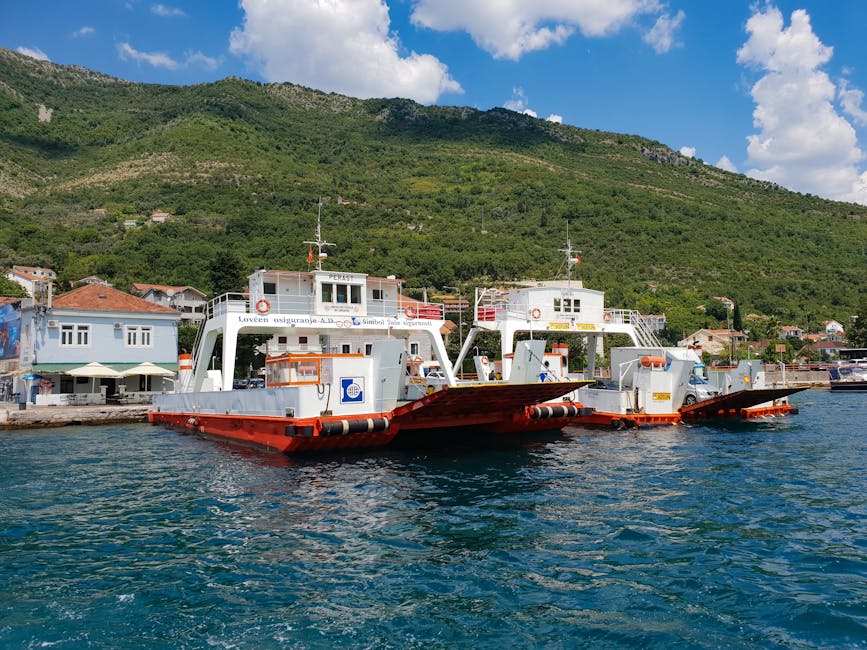
Prices and schedules: in high season the Kamenari–Lepetane ferry runs frequently, often every 15 to 30 minutes and sometimes 24/7 depending on demand. Typical fares:
- Pedestrian: about €0.50 to €1.50 (operator and year dependent).
- Car: about €3.00 to €6.00 per crossing.
- Motorbike or scooter: about €1.50 to €3.00.
These are indicative — bring cash in euros for the ticket booth or check the posted rates at the terminal.
Pros:
- Short, highly photogenic crossing: mountains plunging into the Adriatic, fishing boats and Venetian facades.
- Avoids long road detours around the bay.
- Great for cyclists and motorcyclists seeking a simple link.
Cons:
- Doesn’t serve every destination — you’ll often need a bus or taxi at the other end.
- Can be crowded at peak times — expect possible waits during rush periods.
- Limited comfort for long distances — it’s a shuttle, not a cruise ferry.
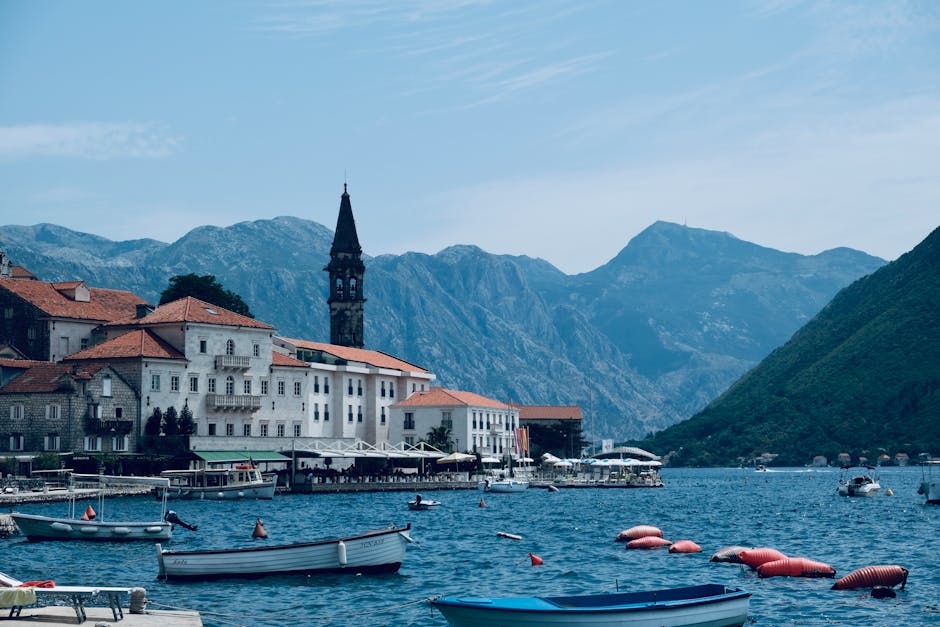
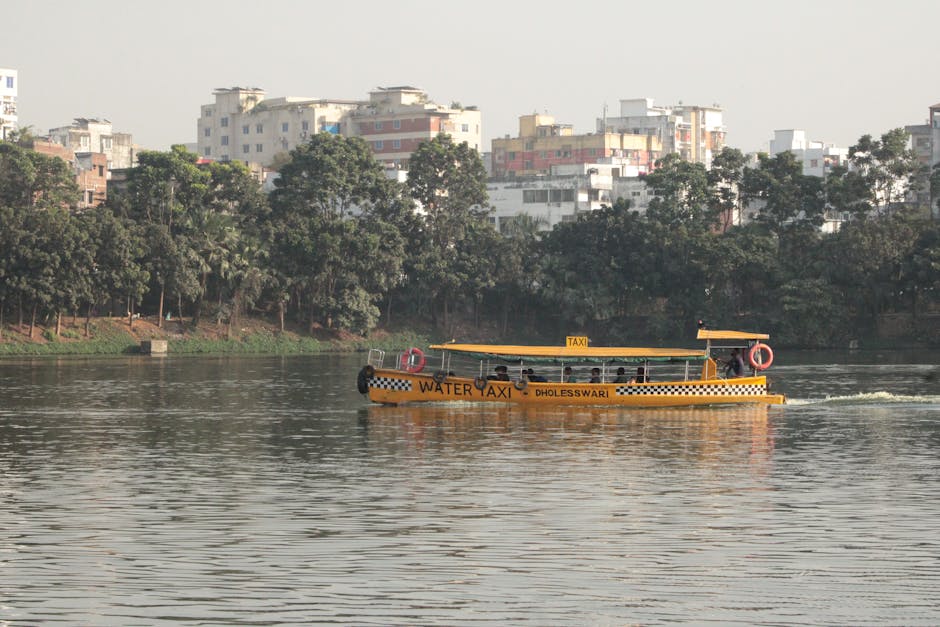
Other sea links: in summer you’ll also find water taxis and small boat tours connecting Kotor with nearby villages like Perast (Perast, Obala 1, 85333 Perast, Montenegro), Our Lady of the Rocks island, and Tivat (Molo Grad, 85320 Tivat). Local companies such as Blue Line or independent operators offer day trips with variable pricing: a boat-taxi Kotor → Perast can cost between €5.00 and €10.00 per person one-way, while guided island and cave excursions often range from €20.00–€40.00.
Local tips: head out early for calmer seas and golden light on the mountains; bring a light jacket since sea breezes can be cool even in summer; if you’re prone to seasickness, choose short crossings and sit near the boat’s center; confirm departure times the evening before at the Kotor Tourist Information Office (Tourist Information Office, Trg od Oružja 4, 85330 Kotor, usually open 08:00–20:00 in high season).
The taxi: flexibility, comfort and cost considerations
Taxis in Kotor offer flexibility and comfort — ideal for families, travelers with heavy luggage, or anyone wanting door-to-door service without transfers. Taxis are found around the Old Town, by the bus station and at the quays. A well-known local operator is Taxi Kotor (local service) — often listed at: Trg od Oružja 2, 85330 Kotor, Montenegro — and independent companies like Taxi Montenegro also operate in the area. You can hail a cab on the street or call a dispatcher; many drivers accept bookings via WhatsApp or local phone calls.
Fares and estimates: taxis often use fixed rates for popular routes, but many operate by meter or per kilometer. Typical summer rates:
- Short ride within the Old Town: €2.00 to €5.00 depending on distance and time.
- Kotor → Tivat (airport): €10.00 to €20.00, depending on traffic and time.
- Kotor → Budva: €20.00 to €30.00 (fixed price common in summer).
- Door-to-door to Herceg Novi or long transfers: €40.00 and up.
Note some drivers add a night surcharge (usually 10–20%) for trips after 22:00, and baggage fees for heavy suitcases. Always ask for an estimated fare if the taxi doesn’t use a meter.
Pros:
- Comfort and privacy — great for direct trips, short hops or multiple stops.
- Flexible hours: available early morning and late at night when buses are scarce.
- You can often negotiate a fixed price for a half- or full-day hire (e.g. a bay tour).
Cons:
- Considerably more expensive than bus or ferry, especially for long distances.
- Risk of unclear pricing if you don’t use licensed taxis or agree on a price up front.
Local tips: use licensed taxis (look for the « TAXI » sign and the license number inside the car), ask your hotel or host to call one for you, and request a receipt if you need proof of payment. If you plan a half-day or full-day trip (e.g. Kotor → Perast → Herceg Novi → Kamenari), negotiate a daily rate (typically €60.00–€120.00 depending on duration and distance). For airport transfers, book ahead in high season — drivers get booked out between 07:00–11:00 and early evenings.

Practical comparison and recommendations by traveler type
Picking the right mode between bus, ferry and taxi depends on what you value most: saving money, scenic sea views, speed or comfort. Below is a structured comparison to help you decide, followed by tailored recommendations for different traveler profiles.
Cost vs time:
- Bus: the cheapest option (Kotor→Budva ≈ €3–4), but can be slow during peak times and may require connections.
- Ferry: offers unique sea views for a modest price (Kamenari–Lepetane ≈ €0.5–3), ideal for short, scenic hops.
- Taxi: fastest and most flexible, but also the priciest (Kotor→Tivat ≈ €10–20, Kotor→Budva ≈ €20–30).
Comfort and accessibility:
- Bus: comfort varies by vehicle and time of day; watch out for steps if you have reduced mobility.
- Ferry: good for those who prefer not to endure long winding roads; generally friendly to strollers and bikes but check per boat.
- Taxi: most accessible for luggage and older travelers; allows tailored stops.
Recommendations by profile:
- Budget traveler: use buses for main links and ferries for short scenic crossings. Example: Kotor→Budva by bus (≈ €3.50), then a boat-taxi to Perast for about €6–10.
- Traveler in a hurry / tight schedule: take a taxi for door-to-door speed; for airport transfers book a taxi (≈ €10–20 Kotor→Tivat) or a private shuttle if traveling in a group.
- Couples or romantics: opt for a ferry or water taxi at sunset (book a small private boat or pick an evening time for unforgettable views).
- Families with kids or older travelers: choose taxis for comfort, or ferries to avoid long winding roads. Buses can be tiring when crowded.
- Photographers / landscape lovers: favor ferries and scenic stops (Perast, Our Lady of the Rocks), then an early climb to the fortress for elevated shots.
Universal practical tips:
- In summer avoid cruise ship disembarkation times (08:30–11:00 and 16:00–18:00): the Old Town and public transport fill up fast.
- Always carry water, a hat and sunscreen for bus or boat trips with little shade.
- Keep some cash in euros for ferries and small taxis that may not take cards.
- Check schedules the night before at the Tourist Information Office (Trg od Oružja 4, 85330 Kotor) or on operator websites for summer changes.
Example optimized itineraries
– Budget day plan: Kotor (Morning: wander the Old Town) → Kotor→Perast by bus (if available) or boat-taxi Kotor→Perast (≈ €6–10) → return by bus towards Budva if you want to extend the day.
– Panoramic route: private taxi transfer Kotor→Kamenari (negotiate) → Kamenari→Lepetane ferry (photo stop at Verige Strait) → continue by taxi to Herceg Novi.
– Quick airport plan: taxi Kotor→Tivat Airport (≈ €10–20) to avoid connections and arrive with time to spare.
Local tips, safety and final practical details
Safety: Kotor is generally safe for tourists, even in high season. Still, keep valuables in zipped bags on buses and around crowded quays. With taxis, ask the driver to use the meter or agree on a price beforehand to avoid misunderstandings. If in doubt, ask your accommodation to call an official taxi (many hotels and apartments around Trg od Oružja will do this for you).
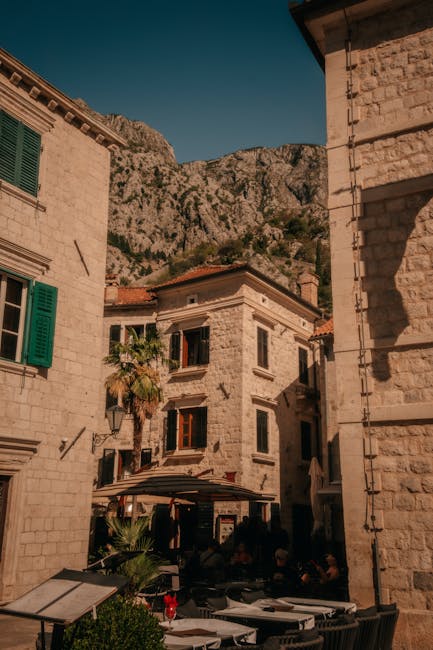
Accessibility: the cobbled streets and steps of the Old Town can be tricky with strollers or large suitcases. Taxis will usually drop you at the closest accessible entrance, but check your accommodation’s exact address (e.g.: Hotel Cattaro, Dobrota bb, 85330 Kotor) to plan the best drop-off. Short ferries generally carry bikes and scooters without a large extra fee, making them a solid option for cycle tourists.
Useful contacts:
- Tourist Information Office Kotor — Trg od Oružja 4, 85330 Kotor, Montenegro — high season hours: generally 08:00–20:00. Phone: check online or ask your accommodation.
- Kamenari Ferry Terminal — Kamenari, 85336 Kamenari, Montenegro — ticket booth and schedule boards at the terminal.
- Tivat Airport — Aerodrom Tivat, Ivanova Korita bb, 85320 Tivat, Montenegro — shuttles and taxis available 24/7 depending on flights.

Conclusion: which option to favor this summer in Kotor?
There’s no one-size-fits-all answer — it’s about matching your priorities to the transport. If you want to save money and mix with locals, take the bus: it’s cheap, regular and covers the coast well in summer. If you crave a maritime experience, sea views and quick hops between picture-perfect villages, choose a ferry or water taxi — you’ll gain panoramas and a cool breeze. If you’re short on time, traveling with bulky luggage, or simply prefer door-to-door simplicity, book a taxi (or private transfer): the extra cost is often worth the calm and speed.
For short stays (2–4 days), a smart combination usually works best: use the bus for budget intercity trips, take a ferry for at least one scenic crossing (Perast, Our Lady of the Rocks), and book a taxi for arrival or departure (especially for early or late flights). For longer trips or multi-stage coastal itineraries, alternate transport modes: pick sea days and road days to get the best of both worlds.
Finally, remember summer in Kotor means busy tourist flows. Anticipate cruise ship rush hours, book or arrive early for popular ferries, and carry some cash for small purchases and certain rides. By combining bus, ferry and taxi according to your needs, you’ll turn transfers into part of the fun — practical, memorable, and a great way to enjoy the Bay of Kotor’s treasures: historic lanes, alpine views dropping to the Adriatic and clear blue waters.
Safe travels, and enjoy Kotor this summer — whether you choose salt-scented ferry breezes, the tried-and-true economy of local buses, or the ease of a taxi on demand.