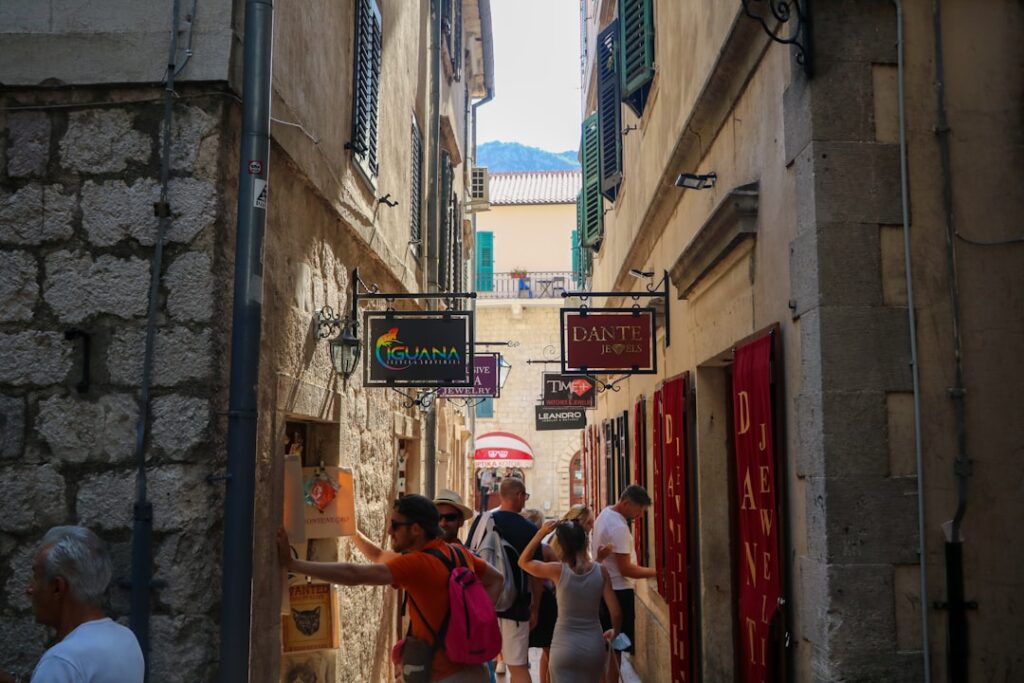
Introduction — Getting Around Kotor: Buses, Boats and a Stroll Through the Old Town
Kotor is a compact medieval town tucked into one of Europe’s most dramatic bays, the Bay of Kotor (Boka Kotorska). For the curious traveler, getting around Kotor is as picturesque as it is practical: winding coastal roads served by regular buses, water taxis and boat trips linking villages and islets, and a compact pedestrian old town that’s best explored on foot, revealing stone façades, Romanesque churches and terraces overlooking the fjord around every corner. This guide focuses on three essential ways to explore Kotor — by bus, by boat and on foot through the old town — providing exact locations, typical timetables, prices in euros and local tips to make the most of your time here.
Whether you’re arriving from Tivat Airport, coming overland from Dubrovnik, or planning to cruise the bay to Perast or Herceg Novi, this guide will help you pick the right transport for your budget, schedule and experience. You’ll also find practical tips on where to buy tickets, how to avoid peak crowds, and where to catch the best views without overspending. The bus network connects Montenegro’s coast efficiently, but it’s the local boats — water taxis and tourist lines — that offer the most memorable photo opportunities. And the old town of Kotor (Stari Grad) is best savored slowly: narrow lanes, paved squares, small museums and historic cafés are all discovered on foot.
This guide includes practical information: exact addresses (to help you find the bus station, quays and key sites), indicative timetables (often seasonal, with extended services from May to September), prices in euros for common journeys and attractions, plus local tips to save time — how to buy a bus ticket, where to board for Perast, or what time to start the climb to the San Giovanni fortress to beat the heat and the crowds. The prices and schedules given are based on common practice and official information available in 2024; it’s wise to check for seasonal updates or international service changes shortly before you travel.
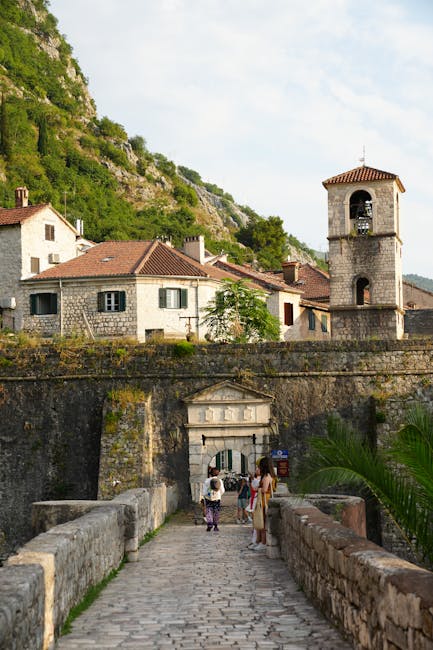
Buses in Kotor: Stations, Routes, Fares and Practical Tips
The bus is the main way to travel overland in Montenegro and to connect Kotor with neighboring towns. Kotor’s main bus station is often called « Kotor Bus Station » or « Autobuska Stanica Kotor. » Useful address: Kotor Bus Station, Put Pobude 20, Kotor 85330, Montenegro. It’s located at the entrance to the old town, about a 5–10 minute walk from the harbor and the southern gates of Stari Grad.
Main routes and timetables
- Kotor ↔ Budva: frequent services throughout the day. Times: first buses around 05:30, last buses around 22:30 in high season (May–Sept). Duration: 30–40 minutes. Price: about €3.00 – €5.00 per trip.
- Kotor ↔ Tivat / Tivat Airport (TIV): regular shuttles and public buses. Hours: 06:00–22:00, frequency 30–60 minutes. Duration: 20–30 minutes. Price: around €2.00 – €4.00.
- Kotor ↔ Herceg Novi: regular service along the northern side of the bay. Hours: 06:00–20:00, frequency varies. Duration: 40–60 minutes. Price: about €3.50 – €6.00.
- Kotor ↔ Podgorica: direct intercity connections (several departures a day). Hours: 05:30–19:00, duration 1h45–2h15. Price: roughly €8.00 – €12.00.
- Kotor ↔ Dubrovnik (Croatia): seasonal international services and private lines. Times: variable, more frequent May–October. Duration: 2h00–2h30 depending on border formalities. Price: about €10.00 – €15.00.
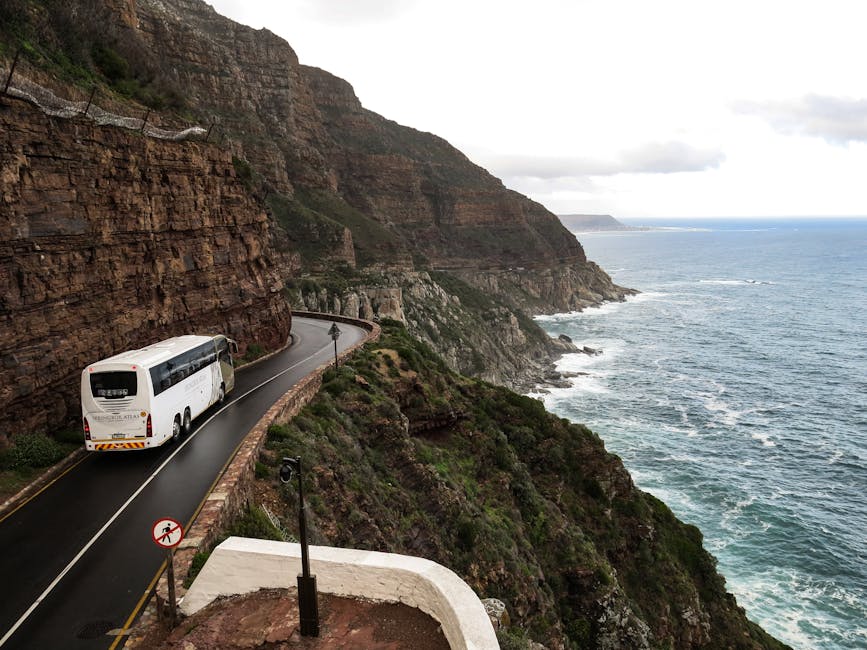
How to buy tickets and where to validate them
At Kotor bus station you’ll find a ticket office and often kiosks selling paper tickets. For short local runs between Kotor, Budva and Tivat it’s common to pay the driver when boarding — bring exact change in euros (small denominations recommended). For longer-distance or international trips (Podgorica, Dubrovnik) it’s better to buy at the ticket office or online through official operators (e.g. Montenegro Bus Lines). For airport shuttles to Tivat, several private companies offer online booking in advance; typical fare: €3.00–€5.00 per person.
Local bus tips
- Arrive 10–15 minutes before departure, especially in high season — buses often leave on time and seats can fill up.
- Keep your ticket until the end of the trip: conductors sometimes check on board.
- If you have large luggage, choose intercity buses (they usually have luggage space under the coach).
- For trips to Dubrovnik, allow extra time for border checks — carry your passport and any required visa.
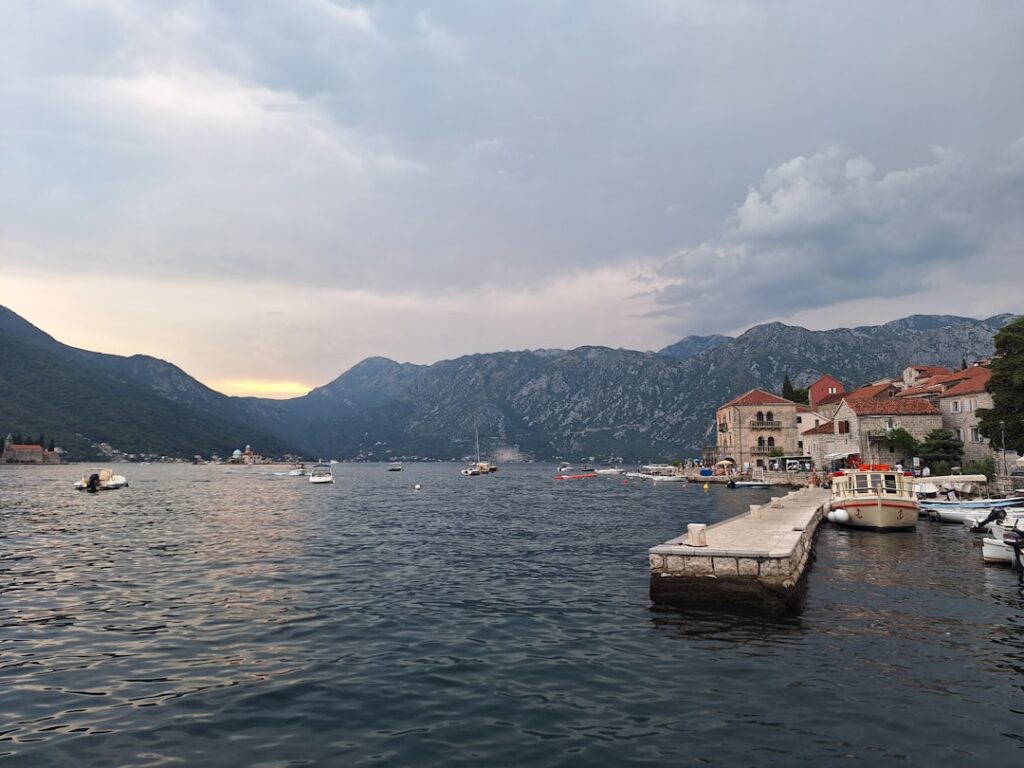
Boats and Water Taxis in the Bay of Kotor: Quays, Routes, Prices and Excursions
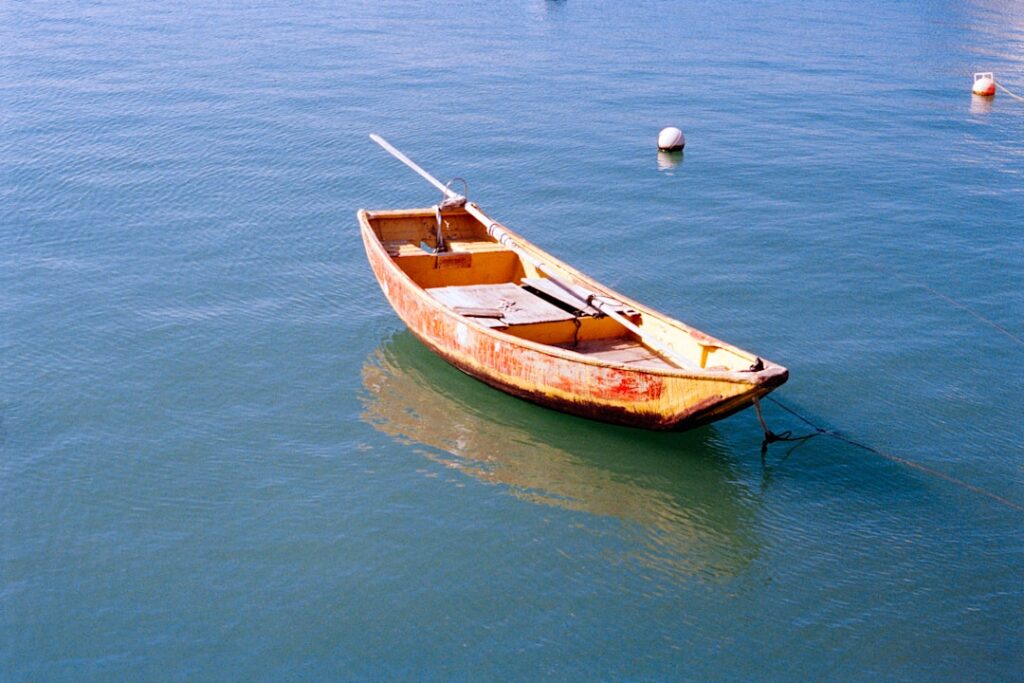
The Bay of Kotor practically begs to be explored by boat. Boat services in Kotor range from private water taxis to regular lines connecting Kotor with Perast, the island of Gospa od Škrpjela (Our Lady of the Rocks), Lepetane and sometimes Herceg Novi. The main quay is near Kotor’s harbor, often listed as Kotor Port (Riva), Trg od Oružja, Kotor 85330. This is where most tours and local boats depart.
Main boat destinations and fares
- Kotor → Perast: direct water taxi or shared boat. Duration: 15–25 minutes. Price: private water taxi ≈ €20–€40 per crossing (depending on negotiation and season), shared boat ≈ €7–€10 per person.
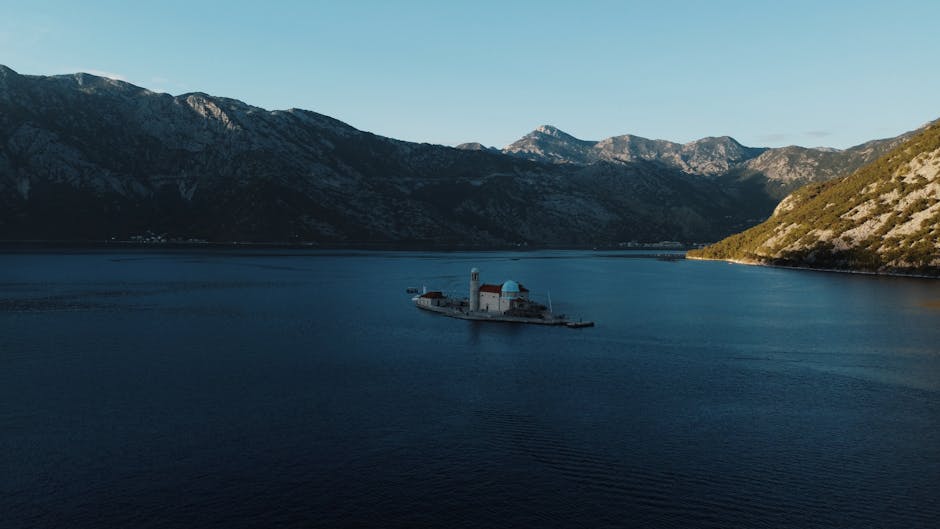
- Perast → Our Lady of the Rocks (Gospa od Škrpjela): short crossings from Perast. Boarding price: ≈ €2–€4 per person, island museum entry ≈ €6–€8.
- Kotor → Lepetane (car/pedestrian ferry): regular links to cross the bay entrance. Price: ≈ €1.00–€2.00 per pedestrian.
- Scenic bay excursions: 1–3 hour tours including Perast and Our Lady of the Rocks. Price: ≈ €15–€35 per person depending on duration and boat type.
- Kotor → Herceg Novi (seasonal): some operators run summer crossings. Duration: 1h15–1h45. Price: ≈ €10–€20.
Schedules and where to buy
Small boat services and water taxis mainly operate in high season (May–Sept). Departures for Perast and Our Lady of the Rocks are frequent in the morning and afternoon; in peak season expect departures every 30–60 minutes from Kotor and Perast. Ticket kiosks on the Riva sell day-trip tickets; boats generally run between 09:00 and 17:00. For a private water taxi or boat hire, it’s smart to book the day before or the same morning at the port ticket office or through your hotel/local agent.
Local tips for boating the bay
- To avoid the crowds, take the first rotation (departure around 09:00) or go late afternoon.
- If you visit Our Lady of the Rocks, combine the church visit with the small museum and local handicraft stalls; bring €6–€8 for the entry fee and a few euros for a drink in Perast.
- Weather on the bay can change fast: check tides and local forecasts before a private trip.
- If you’re driving, the Lepetane–Igalo ferry (when running) is a quick alternative to the long coastal detour.
A Walk Through Kotor’s Old Town: Routes, Monuments, Museums, Prices and Tips
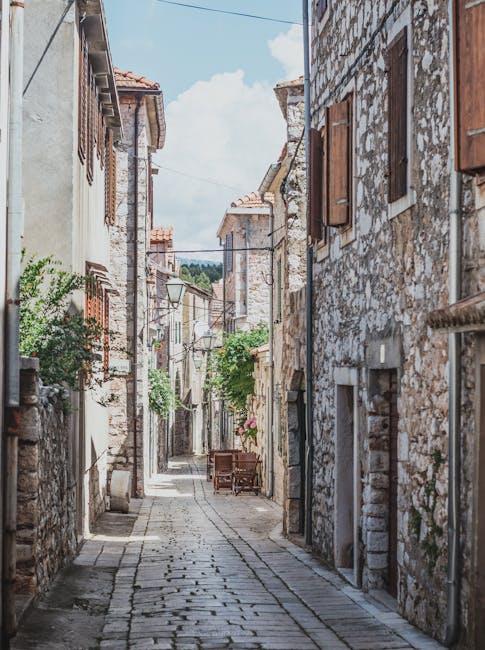
Kotor’s old town (Stari Grad Kotor) is a UNESCO-listed maze best experienced on foot. The main gates are: the Sea Gate (Glavna Vrata) / Main Gate on the waterfront, the North Gate (Vrata od sjevera) and the South Gate (Vrata od juga). The central square’s address is Trg od Oružja (Arms Square), Kotor 85330, an ideal starting point for your visit.
Monuments and museums to visit (with addresses and prices)
- Cathedral of Saint Tryphon (Katedrala Svetog Tripuna) — Address: Trg od Oružja 3, Kotor 85330. Hours: usually 09:00–18:00 (seasonal). Entry: about €3.00–€5.00 for the museum and crypt.
- Maritime Museum of Montenegro (Pomorski Muzej) — Address: Trg od Oružja 2, Kotor 85330. Hours: 10:00–18:00 (high season). Entry: ≈ €3.00–€6.00.
- Palaces like Palata Grgurina / Palace of the Gjurović — scattered around the old town; access to their façades is generally free, while some host temporary paid exhibitions (€2–€5).
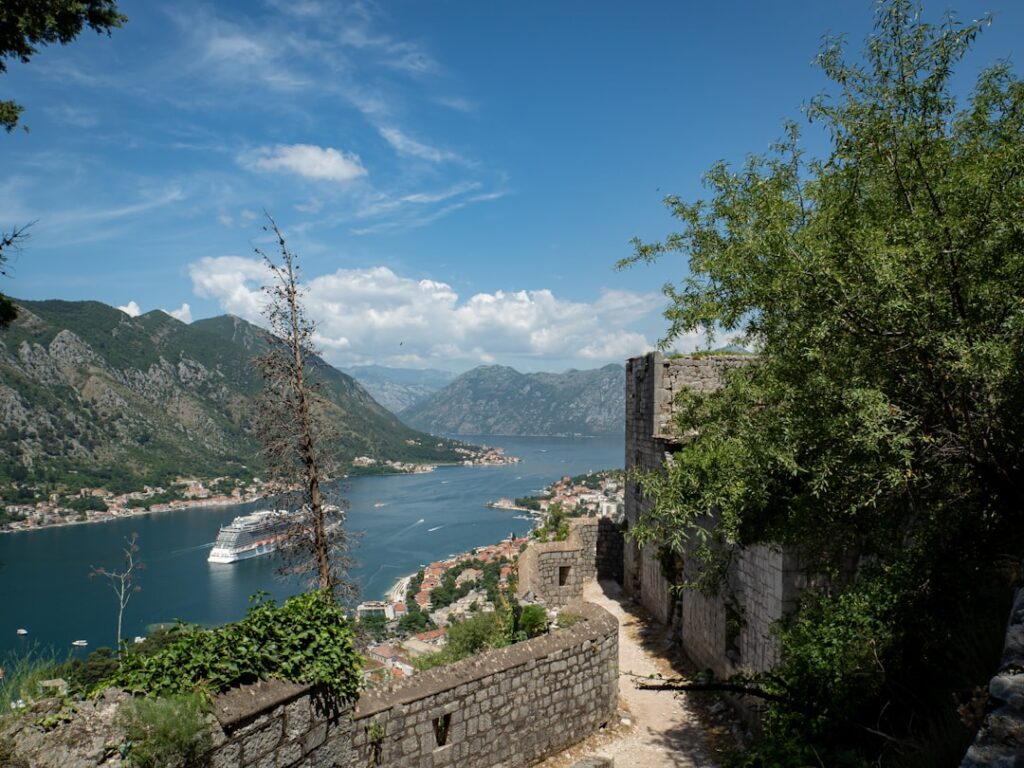
- The city walls and the climb to the San Giovanni (St. John) fortress — Start points: lanes near the South Gate or the cathedral square. Access: the climb is open 24/7 but official ticket booths often close around 18:00. Fee: roughly €8.00–€12.00 (seasonal) for official trail access.
Recommended walking route (2–4 hours)
Start: Main Gate / Sea Gate — follow the main street to Trg od Oružja; visit the Cathedral of Saint Tryphon and the Maritime Museum. Then wander the narrow lanes toward Pima Street and the small squares lined with cafés. Stop in a local bakery for a burek or a baklava (cost ≈ €1.50–€3.00). In the mid-afternoon, tackle the climb to the San Giovanni fortress for unforgettable views: begin the ascent before 16:00 to avoid heat and crowds. Descend by a different route to discover other stairways and sections of the walls.
Practical tips for the walk
- Footwear: wear closed, comfortable shoes — the cobbles and steps are uneven.
- Hydration: buy a bottle of water in the old town (€1.00–€2.00) before you climb to the fortress.
- Avoid midday in high season: heat and crowded photo spots make it less pleasant.
- Best times: the old town is most magical early morning (07:00–09:30) when the light is soft and shops are opening.
- Local respect: many small chapels and museums ask for quiet behavior and sometimes modest dress to enter.
Conclusion — Summary and Final Recommendations for Getting Around Kotor
Getting around Kotor mixes practicality with visual rewards: take buses for affordable, regular connections; use boats for sea panoramas and access to coastal highlights; and walk to fully appreciate the old town and its monuments. Practically speaking, plan to combine all three: take the bus if you’re coming from Podgorica or Budva, book a boat trip to Perast and Our Lady of the Rocks to enjoy the bay, and set aside at least a half-day to wander Stari Grad and climb to the San Giovanni fortress for the view. The key addresses (Kotor Bus Station, Trg od Oružja, Kotor Port Riva) will help you orient yourself and book services.
Indicative budget for a typical day: local bus travel €2–€5, shared boat to Perast and Our Lady of the Rocks €7–€15, museum/cathedral and fortress entries €10–€20, food and drinks €10–€25. For travelers in a hurry, a taxi plus private water taxi speeds transfers but raises costs significantly. Book your airport shuttle in advance if you arrive late or during peak season.
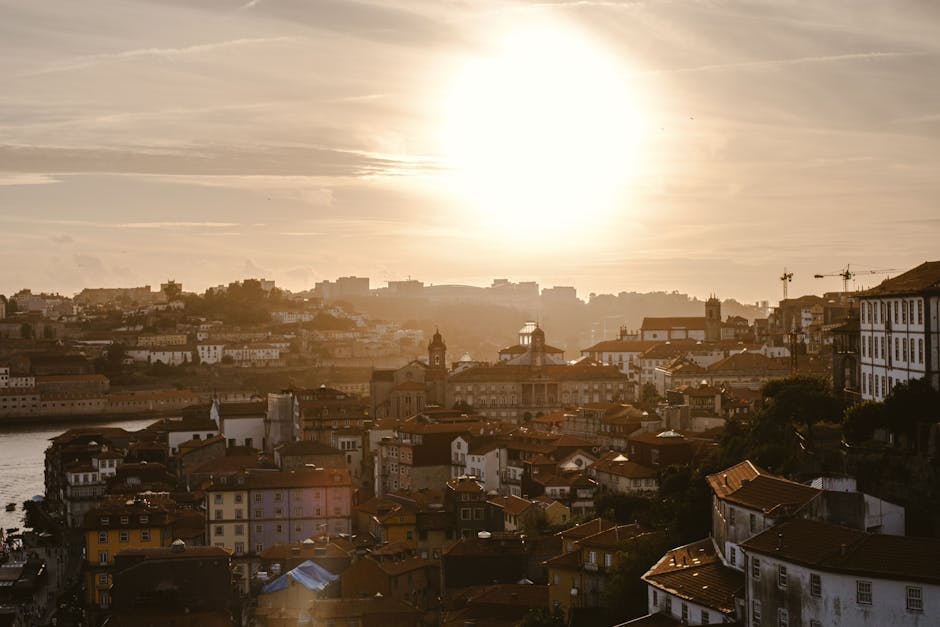
Final local tips: always carry some cash in euros for small purchases and bus tickets bought on board; check seasonal timetables (May–Sept offers the highest frequency); and above all, allow time to get pleasantly lost in Kotor’s lanes — that’s where the best cafés, craftspeople and secret viewpoints are hiding. Enjoy the gentle charm of the bay, respect the historic sites, and take home memories of unforgettable sunsets over stone rooftops.